Muskoka Lakes
Muskoka Lakes is a prominent chain of lakes located in the Muskoka District of southeastern Ontario, Canada, situated approximately 80 miles (130 km) north…
What is Muskoka Lakes?
Muskoka Lakes is a prominent chain of lakes located in the Muskoka District of southeastern Ontario, Canada, situated approximately 80 miles (130 km) north of Toronto.1
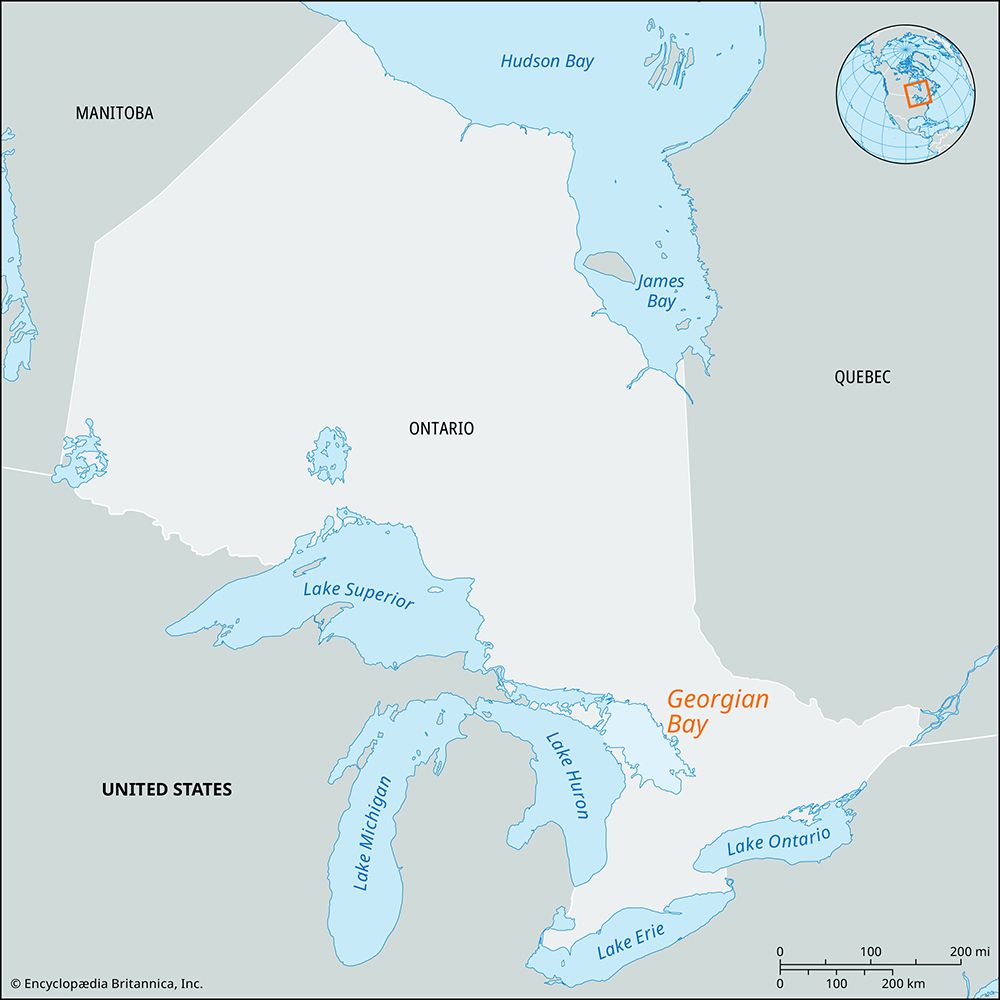
The system is drained by the Muskoka River into Georgian Bay and includes several major bodies of water:
- Lake Muskoka: Covering an area of 54 square miles (140 square kilometers).2
- Lake Rosseau: Measuring 12 miles by 5 miles (19 by 8 km).1
- Lake Joseph: Measuring 12 miles by 4 miles (19 by 6 km).1
- Lake of the Bays: Measuring 13 miles by 6 miles (21 by 10 km).1
While the region was historically significant for the lumbering industry, it has evolved into one of Ontario’s primary vacation destinations.1
How did the lumber industry shape the history of Muskoka?
The lumber industry was a foundational element in the development of the Muskoka Lakes region. During its early history, the area served as a vital hub for timber extraction, which drove initial settlement and economic activity in this part of southeastern Ontario.
The abundance of forests provided the resources necessary to support the lumbering industry, which utilized the local river systems—specifically the Muskoka River—to transport logs toward Georgian Bay. This industrial activity established the infrastructure and accessibility that eventually facilitated the region’s transition from a resource-based economy to its current status as one of the province’s most prominent vacationing destinations.1
What kind of wildlife lives in the Muskoka region?
The Muskoka region, located within the mixed coniferous-deciduous forest zone of Ontario, supports a diverse array of wildlife characteristic of the broader Canadian landscape.
Common mammals found in these forest environments include:
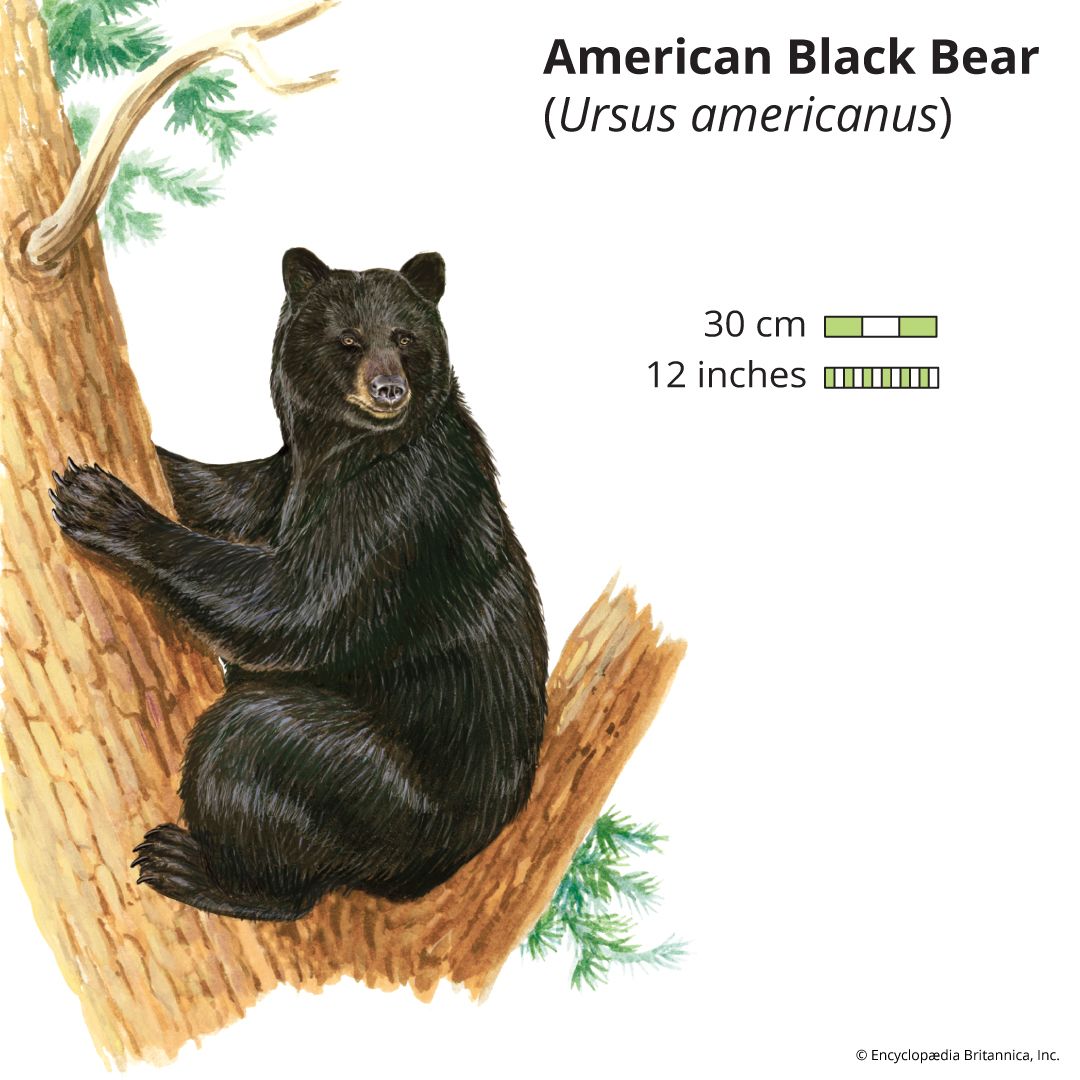
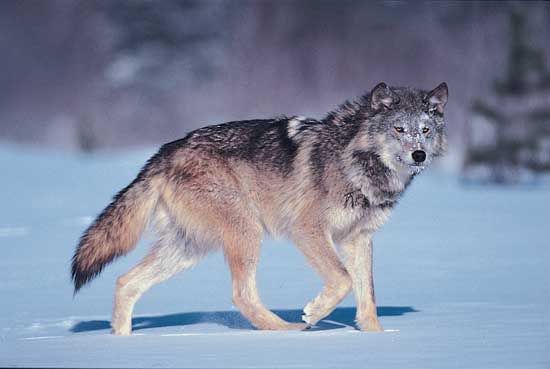
- Large mammals: Moose, black bears, and wolves. White-tailed deer are particularly prevalent along forest borders and partially cleared areas.
- Smaller mammals: Beavers, Canada lynx, snowshoe hares, minks, raccoons, muskrats, skunks, groundhogs, and various squirrels.
The region is also home to a wide variety of birds. Common species include Canada jays, blue jays, ravens, and crows. During the summer months, the forests serve as nesting grounds for numerous species of warblers and other migratory birds.3
What is the significance of Georgian Bay to Ontario’s geography?
Georgian Bay is a significant geographical feature of south-central Ontario, serving as a major northeastern arm of Lake Huron. Sheltered by Manitoulin Island and the Bruce Peninsula, the bay acts as a critical drainage basin for several major waterways, including the French, Muskoka, Severn, Magnetawan, and Nottawasaga rivers.4
Its geographical importance is highlighted by several key factors:
- Connectivity: The bay is linked to Lake Ontario via the Trent Canal, a 240-mile system of rivers, lakes, and locks that historically supported the lumber trade and remains vital for recreation and hydroelectricity.45
- Landscape and Ecology: The region features unique geological formations, such as the glacier-scraped rocks and limestone pillars found in Georgian Bay Islands National Park. The eastern shore is characterized by the “Thirty Thousand Islands,” a prominent feature that supports diverse ecosystems.46
- Economic Hub: The bay hosts important commercial ports, including Parry Sound, Midland, and Owen Sound, which have historically facilitated shipping and regional development.4
Sources
- Muskoka Lakes — Encyclopædia Britannica
- Muskoka, Lake — Merriam-Webster
- Canada - Forest regions — Encyclopædia Britannica
- Georgian Bay — Encyclopædia Britannica
- Trent Canal — Encyclopædia Britannica
- Georgian Bay Islands National Park — Encyclopædia Britannica
Published on · 2 min read