Naujan Lake
Naujan Lake is a significant freshwater body located on the northeastern coastal plain of Mindoro in the Philippines. Covering approximately 30 square miles…
What is Naujan Lake?
Naujan Lake is a significant freshwater body located on the northeastern coastal plain of Mindoro in the Philippines. Covering approximately 30 square miles (79 square km), it ranks as the fifth largest lake in the country.1
The lake serves as the centerpiece of the Naujan Lake National Park, which was established in 1956. This protected area encompasses over 5,000 acres of marshes and forests, providing vital breeding grounds for diverse wildlife, including crocodiles, sail-finned lizards, and various species of marsh birds. While the lake was historically a destination for hunting and sport fishing, it now functions primarily as a productive fishing site that supports the livelihoods of residents in neighboring towns.1
What makes Mindoro’s geography unique?
Mindoro’s geography is distinct from many other islands in the Philippines primarily due to its physical configuration. Unlike most of its sister islands, Mindoro lacks deep coastal embayments and fringing islets.2
The island is defined by several key topographical features:
- Mountainous Core: A rugged mountain range extends for 100 miles (160 km) along the entire length of the island. This interior is home to Mount Halcon, which reaches an elevation of 8,481 feet (2,585 meters) and serves as the island’s highest point.2
- Coastal Plains: The mountainous center is surrounded by a broken coastal plain, which is notably widest along the eastern shore.2
- Drainage: The island features steep-sided valleys carved by rivers such as the Pandan, Ibod, and Bongabong. Additionally, the island contains Naujan Lake in the northeast.2
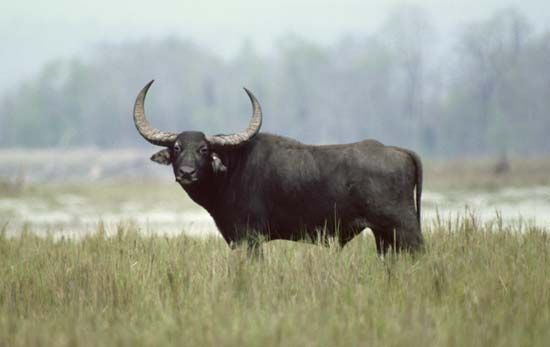
- Unique Wildlife: The island’s geography supports unique biodiversity, most notably the tamaraw (tamarau), a small species of water buffalo found nowhere else in the world.2
Why are wetlands important for biodiversity?
Wetlands are vital to global biodiversity because they function as transition zones, or ecotones, between terrestrial and aquatic systems. This unique positioning allows them to provide essential food and habitat for a wide array of plants, algae, animals, and other organisms, often resulting in higher levels of biodiversity than in adjacent ecosystems.6
Beyond supporting diverse life, wetlands serve as critical refuges for many rare and endangered species. They are among Earth’s most productive ecosystems, acting as “the kidneys of the landscape” by cycling nutrients, filtering polluted waters, and storing carbon.6
Despite their ecological importance, wetlands are frequently degraded or destroyed for immediate economic gain, such as through land conversion for agriculture or urban development. This loss is a primary driver of global biodiversity decline, particularly affecting freshwater habitats. Protecting and restoring these areas is essential for maintaining the integrity of the biosphere and ensuring the survival of countless species.76
What are the characteristics of the Philippine crocodile?
The Philippine crocodile (Crocodylus mindorensis) is a relatively small, freshwater-dwelling species native to the Philippines. It is currently classified as a critically endangered species due to significant population declines caused by habitat loss and historical hunting.10
Physical Characteristics
- Size: Most individuals reach about 2 meters (6.6 feet) in length, with a maximum of 3 meters (9.8 feet). Adults typically weigh between 90 and 190 kg (198–418 pounds), with males generally being larger than females.10
- Appearance: Adults feature brown and gray bodies with black bands and patches, while their undersides are lighter. They possess a broad, triangular snout and thick dorsal scales arranged in defined rows. Their mouths are bright yellow inside and contain 66 to 68 teeth.10
- Juveniles: Young crocodiles are golden brown with dark stripes and a near-white underside.10
Behavior and Ecology
- Habitat: They primarily inhabit rivers, ponds, and marshes. They are known to consume rocks to assist with buoyancy while swimming.10
- Diet: Juveniles feed on invertebrates and small fishes, while adults consume larger fish, birds, and snakes.10
- Reproduction: The species is polygynous. Females lay clutches of up to 33 eggs in mounds of plant debris or excavated soil. Both parents guard the nest, and the young remain in the mother’s care for approximately three months.10
Sources
- Naujan Lake — Encyclopædia Britannica
- Mindoro — Encyclopædia Britannica
- Philippines - Drainage — Encyclopædia Britannica
- Philippines - Land — Encyclopædia Britannica
- Philippines - Relief — Encyclopædia Britannica
- Wetland - Wetland functions and ecosystem benefits — Encyclopædia Britannica
- Swamp — Encyclopædia Britannica
- biodiversity loss - Human-driven biodiversity loss — Encyclopædia Britannica
- Wetland - Geographic distribution of wetlands — Encyclopædia Britannica
- Philippine crocodile — Encyclopædia Britannica
- crocodile - Form and function — Encyclopædia Britannica
Published on · 3 min read