Sarraceniaceae
Members of the Sarraceniaceae family are native to the Western Hemisphere, specifically throughout North America and the western portion of the Guiana…
Where are Sarraceniaceae plants typically found in nature?
Members of the Sarraceniaceae family are native to the Western Hemisphere, specifically throughout North America and the western portion of the Guiana Highlands in South America.12
These plants typically thrive in environments characterized by water-saturated, acidic soils that are deficient in essential nutrients like nitrogen and phosphorus. Common habitats include:12
- Bogs and Swamps: Many species inhabit these wetland areas.12
- Meadows and Savannas: They are often found in wet or sandy meadows and savannas.12
- Mountainous Regions: The genus Heliamphora is found in the rainforest mountains of Brazil, Guyana, and Venezuela, where they grow on ridge crests and in swampy depressions.12
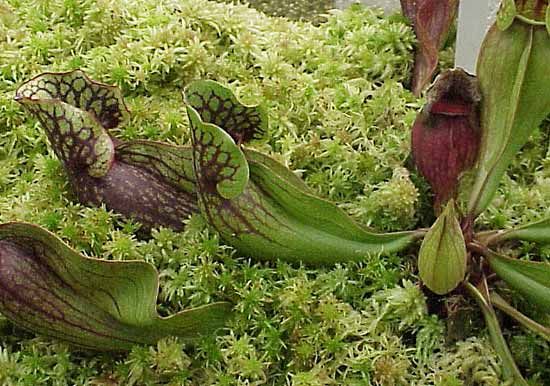
- Forests: The cobra plant (Darlingtonia californica) is native to mountain swamps in California and Oregon, often within redwood and fir forests.12
Are there any conservation concerns related to Sarraceniaceae plants?
The provided search results do not contain information regarding specific conservation concerns or the threatened status of Sarraceniaceae plants.
While these plants are highly specialized to thrive in specific, nutrient-poor wetland habitats—such as bogs, swamps, and savannas—the current knowledge base does not detail the environmental pressures or conservation status affecting these species.1
How do Sarraceniaceae plants digest their prey?
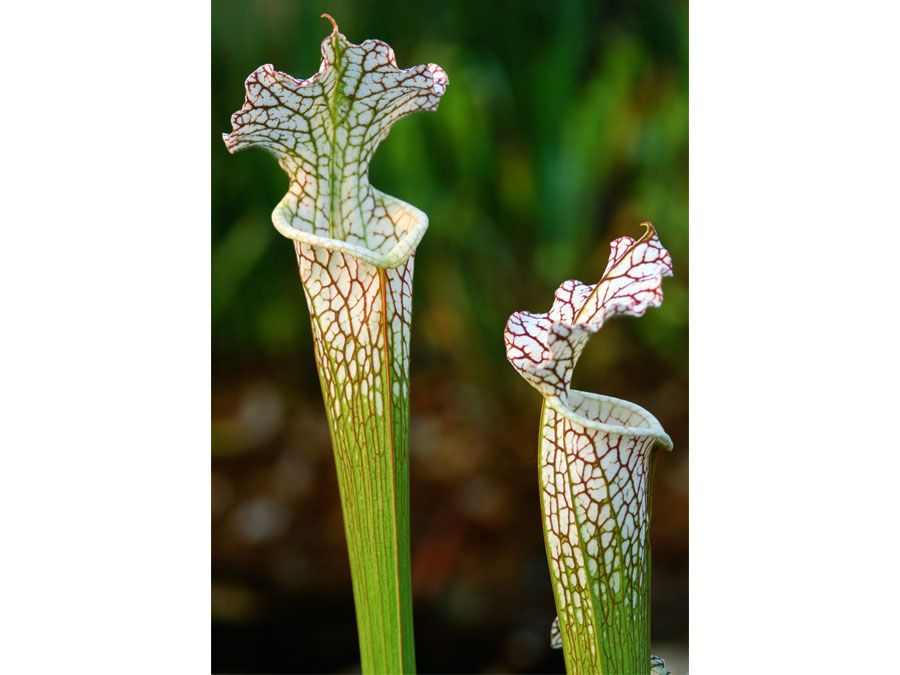
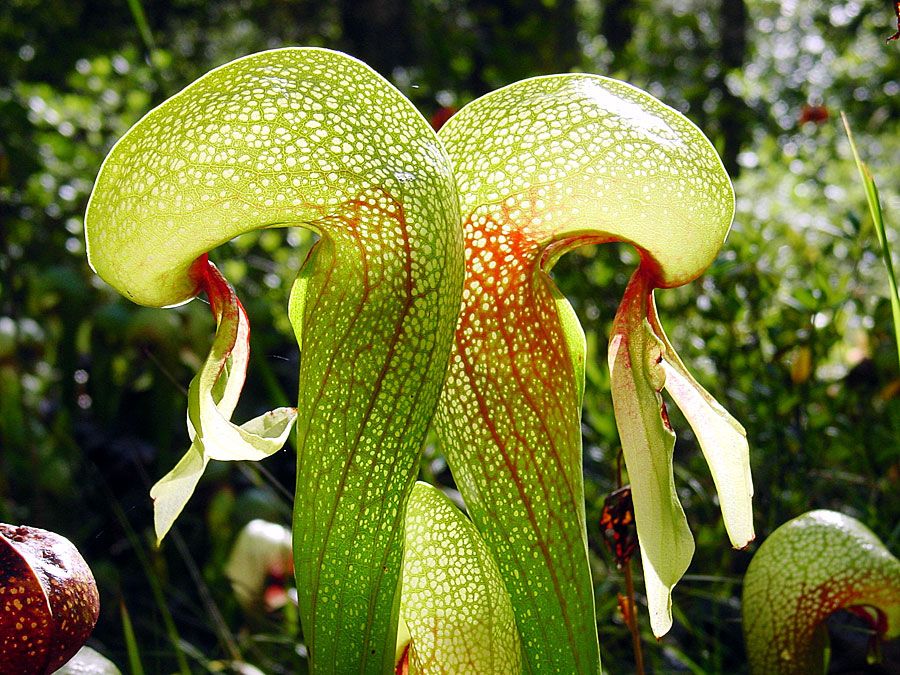
Members of the Sarraceniaceae family utilize specialized, hollow tubular leaves—shaped like trumpets, urns, or pitchers—to capture and digest prey. These leaves function as passive pitfall traps, luring insects and other small organisms with nectar, unusual coloration, and glistening surfaces.45
Once an organism enters the pitcher, it is prevented from escaping by stiff, downward-pointing hairs and slippery interior walls. The prey eventually becomes exhausted, falls into the liquid at the bottom of the pitcher, and drowns.45
The digestion process then occurs through two primary methods:
- Enzymatic Breakdown: The plant secretes protein-digesting enzymes directly into the fluid to break down the prey’s body.45
- Bacterial Action: Bacteria present in the pitcher fluid also assist in decomposing the remains.45
Through these processes, the plant absorbs nitrates and other essential nutrients, which supplement the poor, acidic, and water-saturated soils where these plants typically grow.645
What role do Sarraceniaceae plants play in their ecosystems?
Sarraceniaceae plants play a specialized role in their ecosystems by thriving in nutrient-poor, water-saturated environments such as bogs, swamps, and savannas. Because these habitats are typically acidic and deficient in essential nutrients like nitrogen and phosphorous, these plants have evolved a carnivorous habit to supplement their diet.19
Their ecological contributions include:
- Nutrient Cycling: By capturing and digesting insects and other small organisms, these plants convert animal-derived nutrients into forms they can absorb, allowing them to survive in hostile soil conditions where other plants might struggle.19
- Habitat Support: The pitchers themselves can serve as micro-habitats. For instance, some species, such as the purple pitcher plant, have been observed hosting salamanders within their pitchers. These incidental visitors may provide additional nutrition to the plant through their presence.1
- Pollination: Despite their predatory nature, Sarraceniaceae produce showy, scented flowers that are pollinated by bees and other insects. These flowers are typically borne on long stalks, effectively separating the pollinators from the deadly traps below.17
Sources
- Sarraceniaceae — Encyclopædia Britannica
- Sarraceniaceae — Merriam-Webster
- pitcher plant — Encyclopædia Britannica
- pitcher plant — Merriam-Webster
- Do Carnivorous Plants Eat Their Prey? — Encyclopædia Britannica
- Western Australian pitcher plant — Encyclopædia Britannica
- Ericales - Sarraceniaceae — Encyclopædia Britannica
- Sarraceniales — Merriam-Webster
- Carnivorous plant — Encyclopædia Britannica
Published on · 3 min read