Skipper
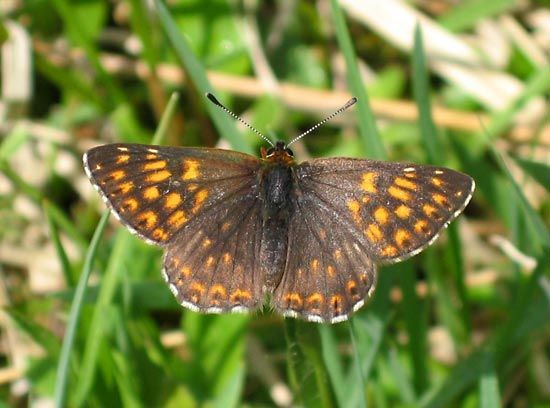
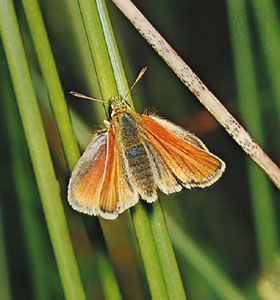
The scientific name for the skipper butterfly family is Hesperiidae.
What is the scientific name for the skipper butterfly family?
The scientific name for the skipper butterfly family is Hesperiidae.123
While many species are classified within this family, some authorities separate certain groups into their own distinct families, such as the regent skipper family (Euschemonidae) and the New World giant skipper family (Megathymidae). Skippers belong to the order Lepidoptera and are often considered an intermediate form between butterflies and moths.1
What are some common species of skipper butterflies?
The family Hesperiidae comprises approximately 3,500 species of skippers worldwide. While the group is vast, specific examples include:1
- Swallow-tailed skipper (Urbanus proteus): A species found in the eastern United States, characterized by its black coloration with greenish reflections and a distinct, long, taillike process on each hind wing.6
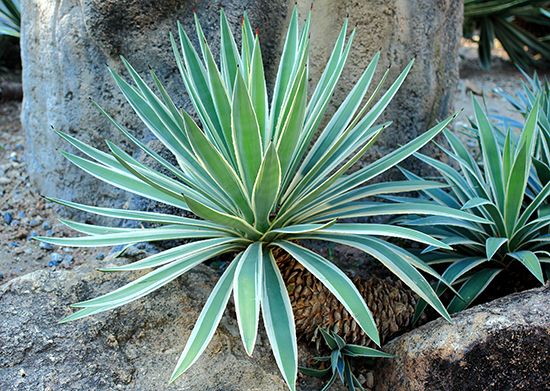
- Giant skippers (family Megathymidae): Often categorized separately from the main Hesperiidae family, these insects have a wingspan of about 9 cm (3.5 inches). Their larvae are known for boring into agaves and yuccas and are traditionally consumed in Mexico as gusanos de maguey.1
Skippers are generally recognized by their fast, darting flight and are considered an intermediate evolutionary form between butterflies and moths.1
How do skipper butterflies contribute to pollination?
Skipper butterflies (family Hesperiidae) contribute to pollination by acting as agents of pollen dispersal as they visit flowers to feed on nectar.18
Like other members of the order Lepidoptera, skippers possess a specialized, coiled tongue known as a proboscis, which they extend to reach nectar within flowers. As they alight on flowers to feed, pollen grains can adhere to their bodies or legs. When the insect moves to another flower of the same species, it may inadvertently deposit this pollen onto the receptive stigma, facilitating the plant’s reproductive process.198
While skippers are often grouped with butterflies in their role as pollinators, they are distinct in their behavior and morphology, often exhibiting a fast, darting flight pattern. Their interactions with plants are part of a broader ecological relationship where flowers have evolved specific traits—such as color, fragrance, and landing platforms—to attract and guide these insects to their nectar sources.189
How do skippers differ from other butterfly families?
Skippers (family Hesperiidae) are often considered an intermediate evolutionary form between butterflies and moths. While they are frequently grouped with butterflies, they possess several distinct characteristics that set them apart from other butterfly families:112
- Physical Appearance: Unlike the slender bodies typical of most butterflies, skippers have small, stout bodies and heads that resemble those of moths.1
- Antennae: While they share the clubbed antennae common to butterflies, the clubs in most skippers end in a slender, hooked tip.113
- Flight Pattern: They are named for their exceptionally fast, erratic, and darting flight, which differs from the more graceful flight patterns of many other butterfly species.113
- Wing Structure: Skippers generally lack the wing-coupling structures (frenula) found in most moths, yet they maintain the butterfly-like habit of holding their wings vertically while at rest.1
- Wing Venation: They are often distinguished from typical butterflies by specific peculiarities in their wing venation.13
Sources
- skipper — Encyclopædia Britannica
- list of butterflies and moths — Encyclopædia Britannica
- heteropteran - Annotated classification — Encyclopædia Britannica
- Hesperiidae — Merriam-Webster
- butterfly — Encyclopædia Britannica
- List of insects - butterflies and moths (order Lepidoptera ) — Encyclopædia Britannica
- swallow-tailed skipper — Merriam-Webster
- Pollination - Butterflies and moths — Encyclopædia Britannica
- Botanical Sex: 9 Alluring Adaptations — Encyclopædia Britannica
- Angiosperm - Pollination — Encyclopædia Britannica
- Major types of pollinators - Wasps — Encyclopædia Britannica
- 12 Pairs of Commonly Confused Animal Words | Butterfly/Moth — Merriam-Webster
- Hesperioidea — Merriam-Webster
- Lepidoptera - Size range and distribution — Encyclopædia Britannica
Published on · 2 min read