The 7 Best Pinecones (Really!)
Pinecones are fascinating botanical structures with diverse adaptations. According to Britannica, here are seven notable types:
What is The 7 Best Pinecones (Really!)?
Pinecones are fascinating botanical structures with diverse adaptations. According to Britannica, here are seven notable types:
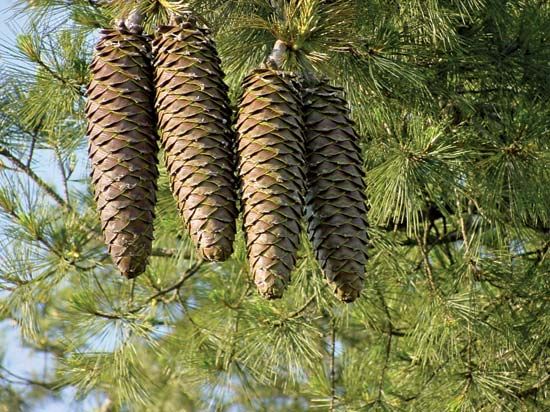
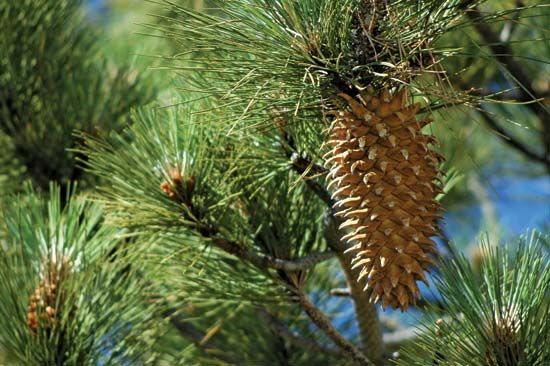
- Coulter Pine (Pinus coulteri): Known as the “heavyweight,” these produce the most massive cones of any pine, weighing up to 5 kg (11 pounds) and featuring large, talonlike scales.1
- Lodgepole Pine (Pinus contorta): These “pyro” cones are serotinous, meaning they are sealed with resin and require the intense heat of a wildfire to open and release their seeds.1
- Pinyon Pine (Pinus edulis): These produce small, “tastiest” cones that contain delicious, edible seeds often collected for food.1
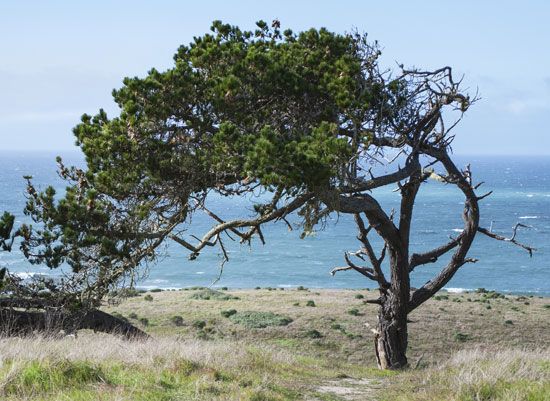
- Monterey Pine (Pinus radiata): A “popular” species widely planted for timber, its cones can persist for years, opening and closing in response to humidity or fire.1
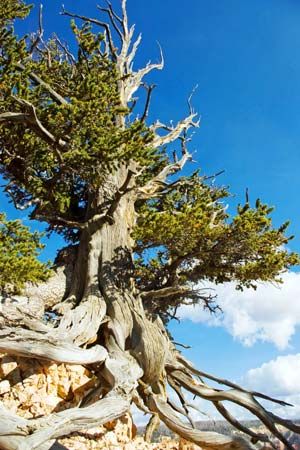
- Bristlecone Pine (Pinus longaeva): These cones come from the longest-lived non-clonal organisms on Earth, serving as a connection to the species’ ancient history.1
- Sugar Pine (Pinus lambertiana): These produce the longest cones of any species, reaching up to 61 cm (24 inches).1
- Male Cones: While often overlooked, these delicate structures are essential for producing pollen.1
How do male and female pinecones differ in their roles?
In conifers, male and female cones serve distinct reproductive roles, functioning as the organs for pollen production and seed development, respectively.45
Male Cones (Microstrobili)
Male cones are typically small, delicate, and short-lived. Their primary role is the production of pollen. Each male cone consists of thin, parchmentlike scales, each bearing two or more microsporangia (pollen sacs) on its lower surface. These cones release vast quantities of pollen into the wind, which is the primary method of pollination for all conifers.6451
Female Cones (Megasporangiate Strobili)
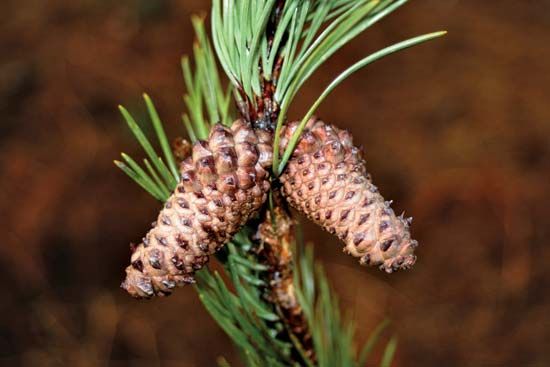
Female cones are the structures most commonly recognized as “pinecones.” They are responsible for housing the ovules and developing the seeds.5
- Structure: They consist of spirally arranged bracts and scales. Each scale typically holds two ovules.45
- Function: The scales open to receive wind-borne pollen and then close to protect the developing seeds.5
- Development: Following fertilization, the female cone matures over a period of one to three years, eventually releasing the seeds to ensure the next generation of trees.5
What are some other examples of plants that rely on fire to reproduce?
Many plants have evolved to thrive in fire-prone environments, a group often referred to as pyrophytes. Beyond the lodgepole pine, several other species rely on fire to trigger their reproductive cycles:
- Eucalyptus: Many species in this genus possess serotinous fruits sealed with resin that require the heat of a wildfire to open and release their seeds. Additionally, some Eucalyptus species utilize specialized buds protected under their bark to resprout after a blaze.7
- Banksia: Similar to the lodgepole pine, certain Banksia species produce serotinous structures that remain closed until fire melts the resin, allowing for seed dispersal. Some also utilize underground woody organs called lignotubers to regenerate after the above-ground portion is destroyed.7
- Fire Lily (Cyrtanthus): These plants exhibit an extremely rapid response to fire, with some species reaching full bloom in as little as nine days following a bushfire.7
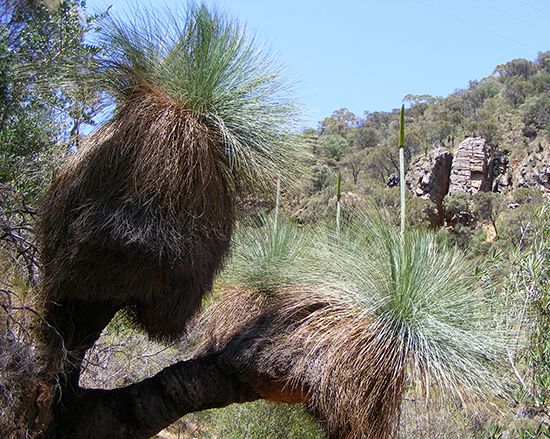
- Grass Trees: These plants are known for flowering prolifically in the nutrient-rich, ash-fertilized soil that remains after a fire has cleared the area.7
How do scientists determine the age of a tree like the bristlecone pine?
Scientists determine the age of a bristlecone pine primarily through dendrochronology, the scientific study of tree rings.910
Because many tree species produce distinct growth rings during annual growing seasons, researchers can establish a tree’s age by counting these rings. To obtain a sample without harming the tree, scientists use an increment borer—a small metal tube that extracts a core from the bark to the center.911
The accuracy of this method relies on the fact that ring width varies based on environmental factors like precipitation and temperature. By comparing the unique patterns of ring sequences from living trees with those of deadwood, scientists can create overlapping chronologies that extend back thousands of years. While carbon-14 dating is also used to estimate the age of organic material, tree-ring analysis is often used to calibrate and verify these radiocarbon dates, ensuring greater precision in historical timelines.91011
Sources
- The 7 Best Pinecones (Really!) — Encyclopædia Britannica
- pine - Physical description and natural history — Encyclopædia Britannica
- Pinaceae — Encyclopædia Britannica
- conifer - Strobili — Encyclopædia Britannica
- conifer - Pollination — Encyclopædia Britannica
- conifer - Gametophyte phase — Encyclopædia Britannica
- Playing with Wildfire: 5 Amazing Adaptations of Pyrophytic Plants — Encyclopædia Britannica
- pyrophyte — Merriam-Webster
- dendrochronology — Encyclopædia Britannica
- bristlecone pine — Encyclopædia Britannica
- geochronology - Tree-ring growth — Encyclopædia Britannica
- Holocene Epoch - Chronology and correlation — Encyclopædia Britannica
Published on · 4 min read