Tylopod
A tylopod is any member of the suborder Tylopoda, a group of even-toed, hoofed mammals characterized by their distinctive pad-footed anatomy. The name is…
What is tylopod?
A tylopod is any member of the suborder Tylopoda, a group of even-toed, hoofed mammals characterized by their distinctive pad-footed anatomy. The name is derived from their unique foot structure, which features soft pads rather than the traditional hooves found in many other ungulates.1
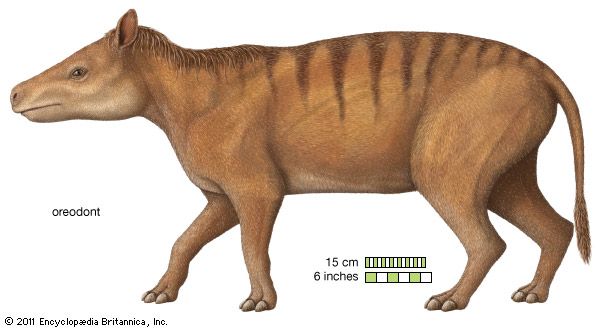
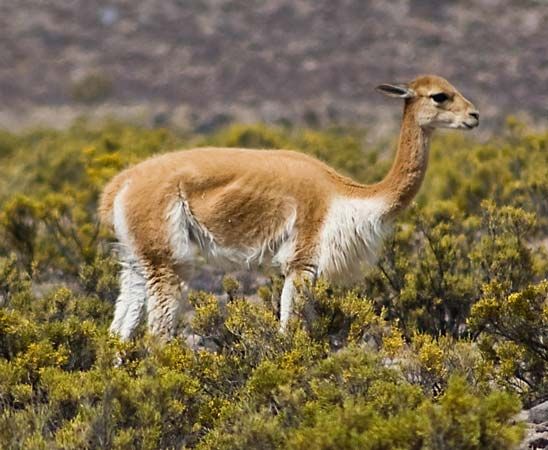
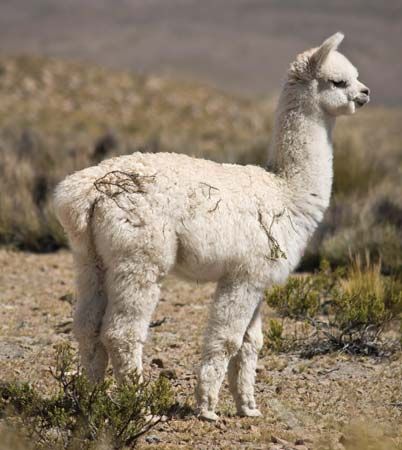
This suborder includes three extinct families and one living family, Camelidae, which encompasses camels and lamoids such as the llama, alpaca, guanaco, and vicuña. Beyond their specialized feet, tylopods are distinguished by specific features in their neck vertebrae, the structure of the bone enclosing the middle ear, and their dental formula. Notably, these animals lack horns and, in their living forms, are ruminants that chew cud.1
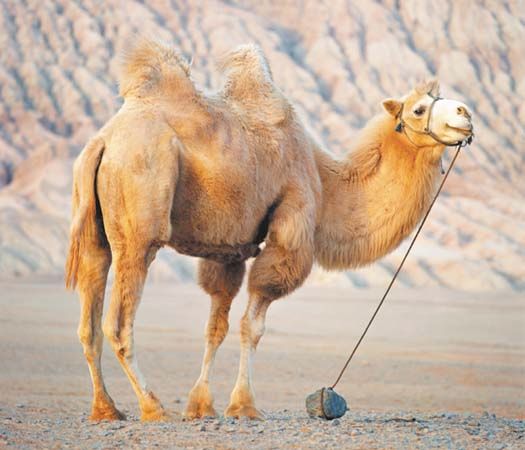
What are the main differences between camels and lamoids?
While both camels and lamoids belong to the family Camelidae, they are distinct groups with different evolutionary histories and physical characteristics.
Key Differences
- Classification and Geography: The term “camel” typically refers to the genus Camelus, which includes the dromedary (one hump) and the Bactrian camel (two humps), native to Africa and Asia. Lamoids—comprising the llama, alpaca, guanaco, and vicuña—are native to South America.56789
- Physical Appearance: Camels are significantly larger and possess humps used to store fat for energy. Lamoids do not have humps.579
- Adaptations: Camels are highly specialized for extreme desert environments, capable of enduring severe dehydration and consuming vegetation like thorns that other livestock avoid.56
- Human Use: Camels have historically served as vital beasts of burden in arid regions, such as along the Silk Road. Lamoids are used for transportation and fleece production, with llamas often serving as pack animals and alpacas prized for their fine wool.79
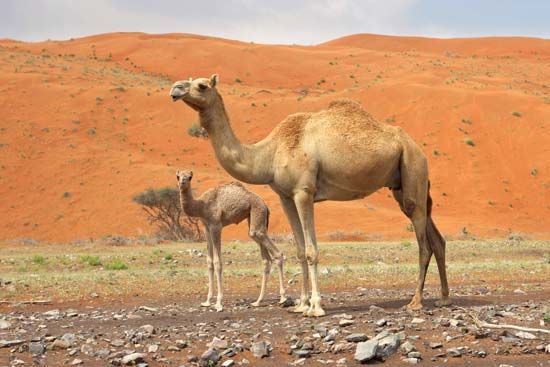
How do the padded feet of tylopods help them survive in their environments?
The padded feet of tylopods—a name derived from their unique foot structure—are a critical adaptation for navigating their environments. Unlike many other ungulates that walk on the tips of their hooves, tylopods, such as camels, bear their weight on two large toes that are supported by a broad, soft pad.15
These specialized feet provide several survival advantages:
- Weight Distribution: The toes spread apart under the animal’s weight, which prevents the creature from sinking into soft, shifting surfaces like desert sand.1
- Stability: The broad pad provides a stable base for walking on uneven or loose terrain.5
- Structural Support: While the toe bones are enclosed in horny hoofs, the lateral toes spread across the pad to maximize surface area contact with the ground, facilitating movement across challenging landscapes.5
This unique anatomy allows these animals to traverse environments that would be difficult or impossible for other livestock to navigate.1
What other animals belong to the order Artiodactyla?
The order Artiodactyla, commonly known as even-toed ungulates, includes a diverse range of mammals. These animals are characterized by having their main weight-bearing axis pass through the third and fourth toes.
Beyond the camels and their relatives, the order includes the following groups:
- Pigs and Peccaries: Members of the swine family.
- Hippopotamuses: Large, semi-aquatic mammals.
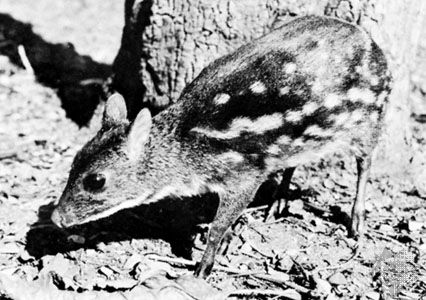
- Chevrotains: Small, deer-like mammals.
- Deer: A wide family of ruminants.
- Giraffes: Known for their long necks and legs.
- Pronghorn: A unique North American species.
- Antelopes, Sheep, Goats, and Cattle: Various bovines and related ruminants.
This order is one of the largest among mammals, containing approximately 200 species that have provided significant economic and cultural benefits to humans throughout history.
Sources
- tylopod — Encyclopædia Britannica
- tylopod — Merriam-Webster
- thrips - Annotated classification — Encyclopædia Britannica
- thrips - Evolution, paleontology, and classification — Encyclopædia Britannica
- camel - Natural history — Encyclopædia Britannica
- List of camelids — Encyclopædia Britannica
- What’s the Difference Between Llamas and Alpacas? — Encyclopædia Britannica
- Livestock farming - Camels — Encyclopædia Britannica
- Bactrian camel — Encyclopædia Britannica
- artiodactyl - Limb adaptations for fast running — Encyclopædia Britannica
- artiodactyl — Encyclopædia Britannica
- artiodactyl - General structure — Encyclopædia Britannica
- ungulate — Encyclopædia Britannica
Published on · 3 min read