What Does a Narwhal Use Its Horn For?
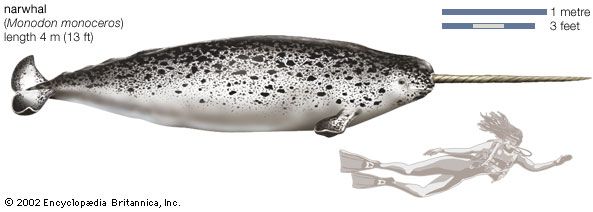
It is a common misconception to refer to the narwhal’s appendage as a horn. In reality, it is a tusk—an overgrown tooth that protrudes from the upper jaw.

What does a narwhal use its horn for?
It is a common misconception to refer to the narwhal’s appendage as a horn. In reality, it is a tusk—an overgrown tooth that protrudes from the upper jaw.1
Research indicates that the tusk serves several primary functions:
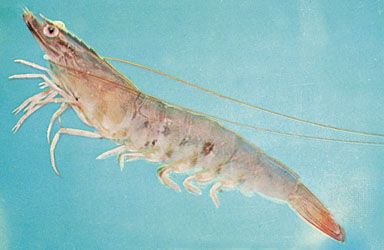
- Hunting: Narwhals use the tusk to deliver a quick, firm tap to prey, such as fish, shrimp, or squid, momentarily stunning them before consumption.1
- Sensory Perception: The tusk contains up to 10 million nerve endings, allowing the narwhal to detect water salinity. This helps the animal navigate by identifying colder, saltier waters.1
- Social Interaction: While once thought to be primarily a weapon for aggression, the tusk is now viewed as a potential display feature used to establish social hierarchy or attract mates.1
While tusk scars on males suggest some level of physical interaction, these sensory and hunting roles are considered more significant than purely aggressive use.1

How do narwhals survive in the freezing Arctic environment?
Narwhals, like other cetaceans, have evolved specific physiological adaptations to survive in the freezing temperatures of the Arctic, where water conducts heat significantly faster than air.23
Their primary methods for maintaining homeostasis and conserving body heat include:
- Blubber: Narwhals possess a thick layer of blubber—a dense, fat-rich layer of skin that acts as an effective insulator because it conducts heat poorly.3
- Countercurrent Heat Exchange: This critical mechanism allows narwhals to regulate their internal temperature. By routing blood through a specialized network of vessels, the animal can transfer heat from warm arterial blood to cool venous blood returning to the heart, thereby minimizing heat loss to the environment.3
- Reduced Appendages: To further minimize heat loss, narwhals have evolved a streamlined body shape with reduced external appendages, which also aids in efficient movement through the water.3
- Sensory Navigation: Interestingly, the narwhal’s tusk may also assist in survival by helping the animal detect water salinity. Because salt is left behind as sea water freezes, higher salinity levels can indicate colder water, potentially allowing the narwhal to navigate away from the most frigid areas.1
What other marine animals have tusks or unique teeth?
Several animals possess tusks or unique dental structures that serve specialized roles in their survival, social interactions, and feeding habits.
Marine Animals with Tusks and Specialized Teeth
- Walruses: Both male and female walruses possess long tusks, which are actually elongated upper canine teeth. These tusks are primarily used for mating displays and defense against other walruses rather than for digging for food.1
- Toothed Whales (Odontocetes): This group, which includes dolphins, porpoises, and sperm whales, features simple, conical teeth. Unlike the teeth of many land mammals, these are used exclusively for grasping prey, which is then swallowed whole rather than chewed.56
- Tusk Shells: These marine mollusks are named for their tubular, tusklike shells. They are not mammals, but they use specialized tentacles called captacula to catch food.7
Land Mammals with Tusks
- Proboscideans: This group includes elephants and their extinct relatives, such as mammoths and mastodons. Their iconic tusks are actually modified upper incisor teeth that emerge from the skull.8
While these structures are often referred to as tusks or horns, it is important to distinguish them from true horns, which grow from the heads of hoofed mammals like sheep and antelopes and are composed of different biological materials.9
How do scientists study animals that live in such remote, icy waters?
Studying marine life in remote, icy environments requires a combination of specialized physical sampling and advanced remote sensing technologies. Because these regions are often inaccessible and the organisms fragile, researchers employ several key methods:
- Biological Sampling Devices: Scientists use plankton nets and midwater trawls to collect specimens. Quantitative samplers, such as the Clark-Bumpus sampler, allow researchers to estimate the concentration of organisms at specific depths while preventing contamination from other water layers.
- Acoustic Monitoring: Many marine animals, including large mammals and schools of fish, can be tracked by the sounds they produce. Biologists record and analyze these sounds to chart animal behavior and distribution. Additionally, organisms can act as acoustic-scattering layers, which are detected by electronic systems to map biological activity.
- Remote Sensing: Satellites and aircraft are used to monitor surface life-forms and ocean color. By measuring light absorption—specifically the presence of chlorophyll—scientists can assess primary productivity and biological activity on a large scale.
- In Situ Observation: Direct observation remains vital for understanding how animals interact with their environment, particularly in fragile ecosystems where traditional sampling might be disruptive.
Sources
- What does a narwhal use its horn for? — Encyclopædia Britannica
- narwhal — Encyclopædia Britannica
- How do sea otters stay warm? — Encyclopædia Britannica
- cetacean - Circulation and thermoregulation — Encyclopædia Britannica
- Do whales have teeth? — Encyclopædia Britannica
- walrus — Encyclopædia Britannica
- tusk shell — Encyclopædia Britannica
- toothed whale — Encyclopædia Britannica
- proboscidean — Encyclopædia Britannica
- Arctic - Marine fauna — Encyclopædia Britannica
- Arctic - Animals of the land and fresh water — Encyclopædia Britannica
- Migration - Marine mammals — Encyclopædia Britannica
- undersea exploration - Collection of biological samples — Encyclopædia Britannica
Published on · 3 min read