Sandfish
The term "sandfish" refers to several distinct animals, primarily marine fishes and a specific type of lizard.
What is sandfish?
The term “sandfish” refers to several distinct animals, primarily marine fishes and a specific type of lizard.
Marine Fishes
The name applies to several unrelated species that inhabit sandy environments:
- Gonorhynchidae: The species Gonorhynchus gonorhynchus, also known as the beaked salmon, is a slender, Indo-Pacific fish that burrows into sand.1
- Trichodontidae: These small, scaleless northern Pacific fishes often lie partially buried in the sand. Some members of this family are consumed as food in Japan.1
Lizards
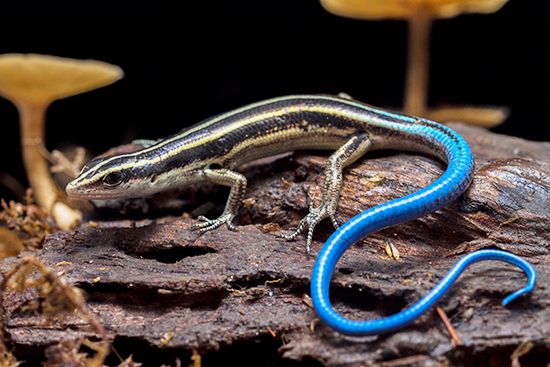
The name “sandfish” is also used for sand skinks (Scincus), which are desert-dwelling lizards native to North Africa and southern Asia. These reptiles are uniquely adapted to “swim” through windblown sand. They possess specialized features—such as fringes of scales on their toes, countersunk lower jaws, and protective scales over their ear openings—that allow them to navigate and burrow through sand without it entering their bodies.2
How do animals adapt to living in sandy environments?
Animals have evolved a variety of specialized adaptations to thrive in sandy environments, where they must contend with extreme temperatures, shifting substrates, and water scarcity.
Locomotion and Physical Protection
Many animals have developed unique ways to navigate sandy terrain:
- Sand-swimming: Certain lizards, such as the sand skink, possess specialized features like countersunk jaws, fringes of scales on their toes and eyelids, and protective scales over their ears. These adaptations allow them to “swim” through friable sand while preventing abrasive particles from entering their bodies.54
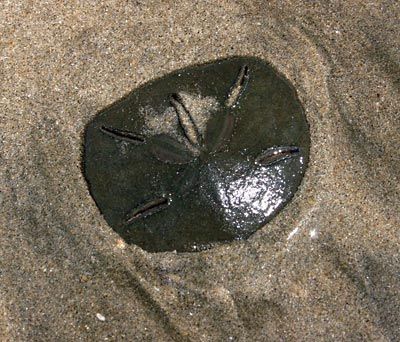
- Burrowing: The sand dollar uses small spines to dig and crawl through sandy substrates. Other animals, such as skinks, may have transparent “window” scales that protect their eyes while allowing them to see while burrowing.65
- Thermal Avoidance: Some creatures, like the Sahara desert ant, have long legs that keep their bodies elevated above the scorching sand. Others, such as the jerboa, are nocturnal, remaining in cool burrows during the day to avoid peak heat.7
Physiological Adaptations
- Water Conservation: Camels are famously adapted to survive high temperatures and can go for a week or more without drinking water.7
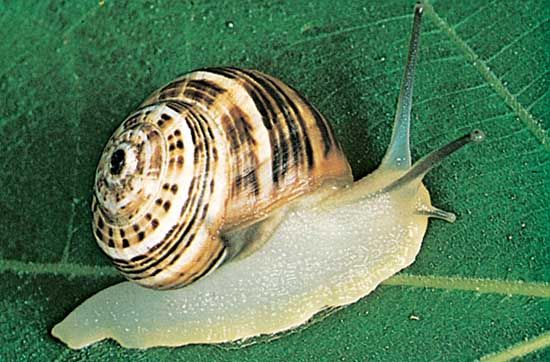
- Dormancy: To survive extreme environmental stress, some animals, such as the desert snail, enter a state of estivation, a period of dormancy that can last for years until rainfall occurs.89
What is the difference between a fish and a lizard?
Fish and lizards are distinct groups of vertebrates that differ significantly in their anatomy, physiology, and evolutionary adaptations.
Key Differences
- Respiration: Fish primarily breathe through gills, which extract dissolved oxygen from water. In contrast, reptiles (including lizards) are air-breathing animals that utilize lungs for gas exchange.1112
- Circulatory System: Fish possess a single-circuit circulatory system where blood flows from the heart to the gills, then to the body, and back to the heart. Reptiles have evolved a more complex double-circulation system, which allows for more efficient oxygen distribution to the body.13
- Skin and Covering: Reptiles are characterized by an external covering of epidermal scales containing beta keratin, a unique structural protein. While fish also have scales, their skin and physiological structures are adapted for an aquatic life, whereas reptilian scales are designed to protect against terrestrial environments.1412
- Reproduction: While both groups exhibit diverse reproductive strategies, reptiles are defined by amniotic development, where the embryo is encased in a fluid-filled sac called the amnion, often within a shelled egg.1412
What are some other examples of animals that burrow in sand?
Beyond the lizards and snakes mentioned previously, many other animals have evolved to burrow into sandy environments for protection, thermal regulation, or hunting.
Invertebrates and Mollusks
- Scaphopods: Also known as tusk shells, these mollusks dwell in sand or sandy mud at depths of up to 7,000 meters, using specialized head tentacles to capture prey.18
- Bivalves: Many bivalves are proficient burrowers. Species like the razor shell use a laterally compressed, bladelike shell to move rapidly through the sand, while others, such as Mya, bury themselves deeply to accommodate elongated siphons.19
- Gastropods: Certain snails are adapted to live in the interstices between individual grains of sand.18
Vertebrates
- Mammals: Various small rodents, such as jerboas, are known to inhabit sandy regions and utilize burrows to escape the harsh desert climate.20
- Birds: While many birds nest above ground, there are specific species, such as certain owls, that are recognized as burrowing birds.20
These animals often exhibit specialized physical traits, such as smooth scales in reptiles or streamlined, thin shells in bivalves, to facilitate movement through the abrasive and shifting substrate of sandy habitats.2119
Sources
- sandfish — Merriam-Webster
- sand skink — Merriam-Webster
- sandfish — Encyclopædia Britannica
- skink — Encyclopædia Britannica
- 8 Animals That Live in Extreme Environments — Encyclopædia Britannica
- sand dollar — Encyclopædia Britannica
- Locomotion - Fossorial locomotion — Encyclopædia Britannica
- Sahara: Top Questions — Encyclopædia Britannica
- mollusk - Locomotion — Encyclopædia Britannica
- Sahara - Animal life — Encyclopædia Britannica
- lizardfish — Encyclopædia Britannica
- Animal reproductive system - Gonads, associated structures, and products — Encyclopædia Britannica
- reptile - General features — Encyclopædia Britannica
- How do fish breathe? — Encyclopædia Britannica
- reptile - Circulatory system — Encyclopædia Britannica
- reptile — Encyclopædia Britannica
- reptile - Critical appraisal — Encyclopædia Britannica
- Burrowing — Encyclopædia Britannica
- mollusk - Habitats, feeding habits, and associations — Encyclopædia Britannica
- bivalve - External features — Encyclopædia Britannica
- Arabian Desert - Animal life — Encyclopædia Britannica
Published on · 3 min read