Why Are Tomatoes Red?
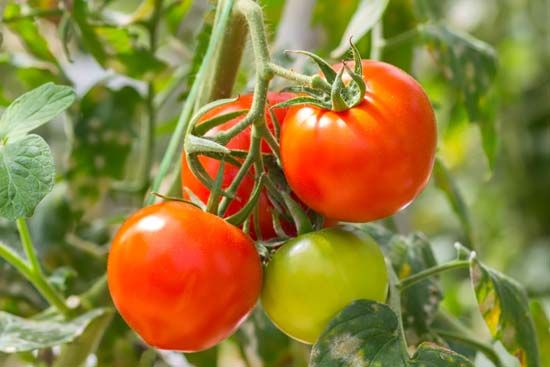
Most tomatoes turn red as they ripen due to the production of lycopene, a phytochemical that belongs to the carotenoid group of pigments.
Why Are Tomatoes Red?
Most tomatoes turn red as they ripen due to the production of lycopene, a phytochemical that belongs to the carotenoid group of pigments.123
While immature tomatoes appear green because they are rich in chlorophyll, this pigment breaks down during the ripening process as lycopene is synthesized. Lycopene is an organic compound with the molecular formula C40H56C_{40}H_{56}.12
This color change serves a vital biological purpose: the bright red hue acts as a signal to animals that the fruit is ready to be consumed. Because tomato seeds can survive passing through an animal’s digestive tract, this coloration is a key part of the plant’s strategy for seed dispersal.1
What other fruits or vegetables contain lycopene?
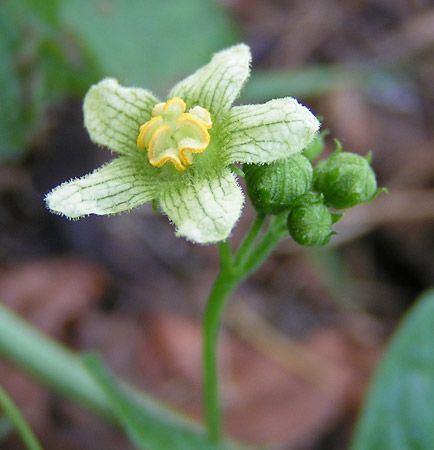
Beyond tomatoes, lycopene is found in a variety of other fruits and plants. It is the pigment responsible for the red color in the hips and haws of the wild rose and was also historically isolated from the black bryony (Tamus communis), a type of European yam.2
Lycopene is an organic compound that functions as an isomer of carotenes, sharing the same molecular formula of C40H56C_{40}H_{56} while possessing a different chemical structure.2
How do plants use seed dispersal to survive?
Seed dispersal is a critical botanical process that ensures the survival and proliferation of plant species. By moving seeds away from the parent plant, dispersal increases the likelihood that offspring will find suitable sites for germination and growth, while simultaneously reducing competition for essential resources like sunlight and nutrients.4
Plants utilize various agents to facilitate this movement:
- Zoochory (Animals): Many plants rely on animals to transport seeds. Through endozoochory, animals consume fruits and later deposit the intact seeds in their feces. This mutualism is thought to have significantly aided the diversification of flowering plants.5
- Hydrochory (Water): Plants in aquatic or coastal environments often produce buoyant seeds or fruits. For example, the coconut palm uses its fibrous mesocarp to float across oceans, while other species utilize specialized structures to survive transport in water.6
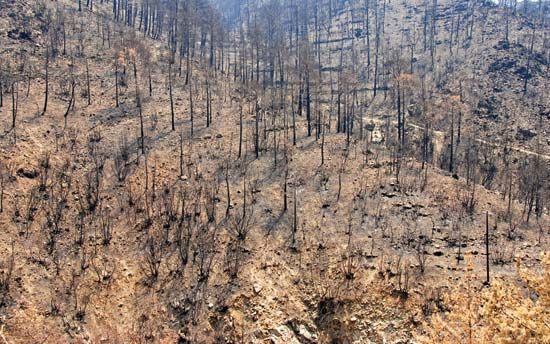
- Anemochory (Wind): This involves the dispersal of seeds through air currents, allowing plants to colonize new areas or recover following ecological disturbances. to colonize new areas or recover following ecological disturbances.4
What are some other examples of carotenoids in nature?
Carotenoids are a diverse group of yellow, orange, and red pigments found throughout the living world. They are categorized into two primary types: carotenes, which are hydrocarbons, and xanthophylls, which are oxygenated compounds.
Beyond the well-known examples like tomatoes and carrots, these pigments appear in many other forms:
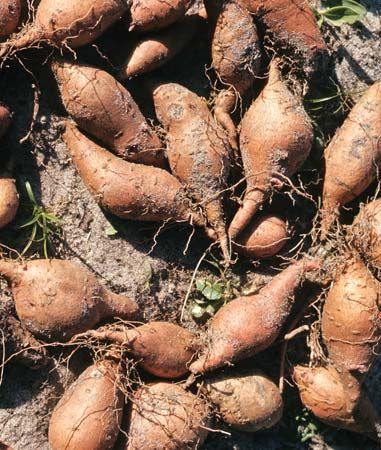
- Plants and Fruits: Carotenoids provide vibrant colors to sweet potatoes, citrus fruits, pumpkins, apricots, dandelions, and marigolds. They are also responsible for the changing colors of autumn foliage.
- Animals: Animals acquire these pigments through their diet. They contribute to the coloration of salmon, crustaceans, canary feathers, egg yolks, and even the blue feet of the blue-footed booby. Additionally, they are found in animal fats such as butter.
In plants, these pigments are essential for photosynthesis, where they trap solar energy to assist chlorophyll.78
Sources
- Why Are Tomatoes Red? — Encyclopædia Britannica
- lycopene — Encyclopædia Britannica
- coloration - Carotenoids — Encyclopædia Britannica
- Seed dispersal — Encyclopædia Britannica
- Seed dispersal - Zoochory: animal dispersal — Encyclopædia Britannica
- Seed - Dispersal by water — Encyclopædia Britannica
- Carotenoid — Encyclopædia Britannica
- Carotene — Encyclopædia Britannica
Published on · 2 min read