Brampton Island
Brampton Island is an inshore, coral-fringed continental island located off the northeastern coast of Queensland, Australia. Situated among the Cumberland…
What is Brampton Island?
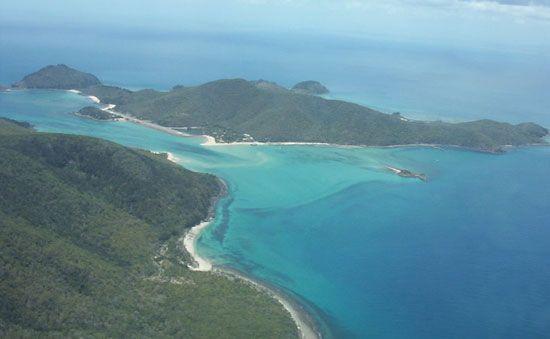
Brampton Island is an inshore, coral-fringed continental island located off the northeastern coast of Queensland, Australia. Situated among the Cumberland Islands, it lies approximately 20 miles (32 km) northeast of Mackay across the Hillsborough Channel in the Coral Sea.1
The island spans an area of 3 square miles (8 square km) and features forested hills that reach an elevation of 710 feet (215 m). It is well-known as a developed holiday resort destination within the Great Barrier Reef region and maintains connectivity to the mainland via air and launch services.1
What are the Cumberland Islands?
The Cumberland Islands are an archipelago located within the Great Barrier Reef off the eastern coast of Queensland, Australia.2
The group consists of more than 70 inner continental islands—composed of land rather than coral—including Whitsunday, Lindeman, Brampton, Molle, Long, Hook, Dent, and Hayman. These islands are characterized by high-cliffed, wooded terrain and are currently designated as a reserve area.2
Historically, the islands were discovered in 1770 by Captain James Cook and later surveyed by Captain Phillip King in 1820. They were named in honor of the duke of Cumberland (Henry Frederick), a brother of George III. While the archipelago was once inhabited by timber cutters and squatters, many of the islands now function as national parks and resort destinations.23
Note: This should not be confused with Cumberland Island National Seashore, a barrier island located in Georgia, U.S.4
How was the Great Barrier Reef formed?
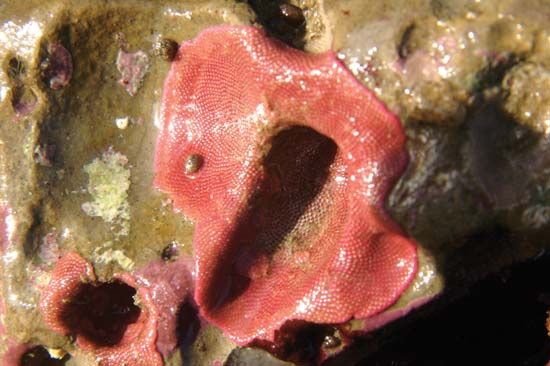
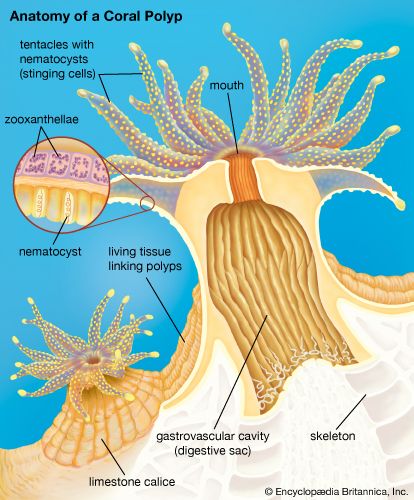
The Great Barrier Reef was formed over millions of years through the accumulation of the calcareous skeletons and skeletal waste of marine organisms. The primary “bricks” of the reef framework are the remains of coral polyps and hydrocorals, while coralline algae and bryozoans act as the “cement” that binds these structures together. The gaps within this framework are filled by skeletal debris produced by wave action and boring organisms.5
The reef developed on the shallow continental shelf fringing the Australian continent, where warm water temperatures—consistently above 70 °F (21 °C)—allow corals to flourish. Geological evidence from borings indicates that reef growth began as early as the Miocene Epoch (23.0 million to 5.3 million years ago). Throughout this period, the development of the reef has been influenced by the ongoing, though occasionally reversed, subsidence of the continental shelf.5
What kind of wildlife lives on continental islands?
Continental islands are landmasses that are near and geologically related to a continent, such as Great Britain. Because these islands have often been connected to a larger landmass in the past, they typically support a more diverse range of terrestrial wildlife compared to remote oceanic islands, which are harder for non-flying animals to reach.67
The wildlife found on continental islands is shaped by their proximity to the mainland, which facilitates the migration of various species. While oceanic islands often rely on a few colonizers that undergo adaptive radiation to fill empty ecological niches, continental islands frequently retain a broader representation of the fauna found on the adjacent mainland.87
However, the specific composition of wildlife on any island—continental or otherwise—is influenced by factors such as:
- Island Size: Larger islands generally support a greater number of species.9
- Distance from the Mainland: Closer proximity increases the probability of colonization.97
- Environmental Conditions: Factors like climate and habitat variety determine which species can successfully establish and maintain populations.7
Sources
- Brampton Island — Encyclopædia Britannica
- Cumberland Islands — Encyclopædia Britannica
- Whitsunday Island — Encyclopædia Britannica
- Cumberland Island National Seashore — Encyclopædia Britannica
- Great Barrier Reef — Encyclopædia Britannica
- Seychelles - Plant and animal life — Encyclopædia Britannica
- evolution - Adaptive radiation — Encyclopædia Britannica
- continental island — Merriam-Webster
- community ecology - Biogeographic aspects of diversity — Encyclopædia Britannica
- oceanic island — Merriam-Webster
- French Polynesia - Plant and animal life — Encyclopædia Britannica
- biogeographic region - Components of species diversity: species richness and relative abundance — Encyclopædia Britannica
- American Samoa - Plant and animal life — Encyclopædia Britannica
- coral island — Encyclopædia Britannica
Published on · 3 min read