Cumberland Islands
The term "Cumberland Islands" refers to an archipelago in the Great Barrier Reef off the coast of Queensland, Australia. This group consists of more than 70…
What is Cumberland Islands?
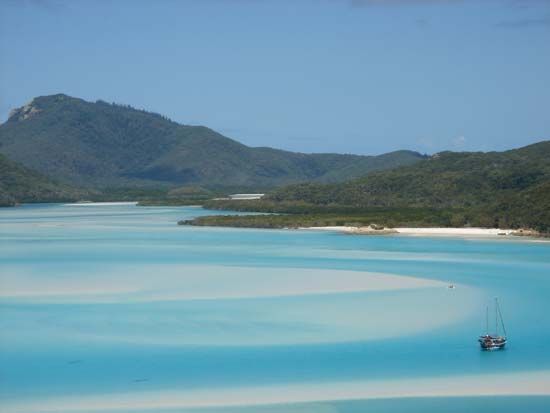
The term “Cumberland Islands” refers to an archipelago in the Great Barrier Reef off the coast of Queensland, Australia. This group consists of more than 70 continental islands, including Whitsunday, Lindeman, and Brampton. Discovered by James Cook in 1770, the chain was named for the duke of Cumberland, a brother of George III1.1
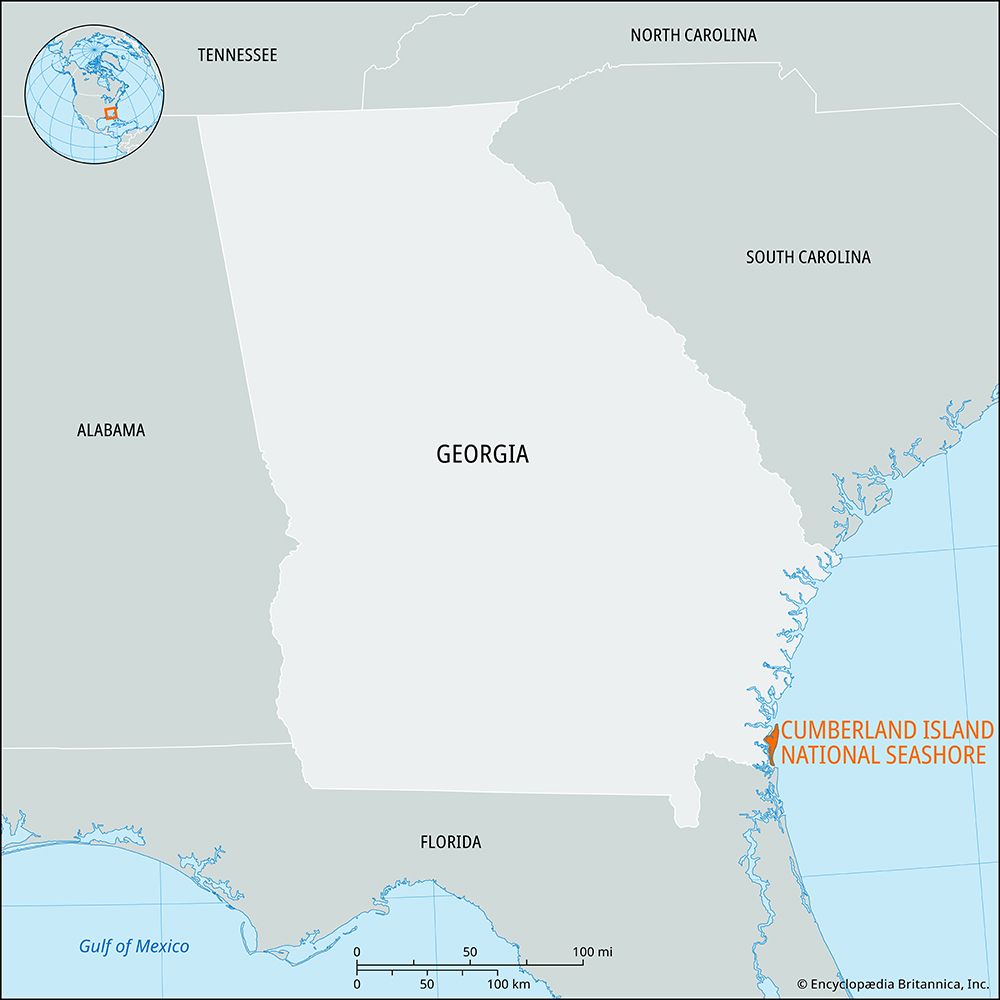
It is important to distinguish this Australian archipelago from Cumberland Island National Seashore, which is a barrier island located in Georgia, United States. Unlike the Australian islands, this U.S. site is a protected national seashore known for its diverse ecosystems, including maritime forests, saltwater marshes, and wild horses. It also features historical sites, such as the ruins of homes associated with Andrew Carnegie.23
How does the Great Barrier Reef ecosystem support the Cumberland Islands?
The Cumberland Islands are a group of more than 70 inner continental islands—landmasses composed of rock rather than coral—that are situated within the broader Great Barrier Reef region off the coast of Queensland, Australia.1
The relationship between the reef and these islands is primarily geographic and ecological:
- Fringing Reefs: Many of the Cumberland Islands, such as Whitsunday Island and Hayman Island, are described as “coral-fringed.” This means that coral reefs have developed directly around the shores of these continental islands, creating a complex marine environment that supports diverse aquatic life.456
- Marine Habitat: The surrounding Great Barrier Reef complex provides a vital, nutrient-rich environment that sustains a vast array of marine species, including hundreds of types of coral, fishes, sea turtles, and crustaceans, which inhabit the waters around the islands.5
- Protection and Status: Because of their location within this significant ecosystem, many of the Cumberland Islands are now protected as national parks and serve as important sanctuaries for birds and other wildlife.146
What makes a barrier island different from a continental island?
The primary difference between a barrier island and a continental island lies in their geological composition and formation.
Barrier Islands
A barrier island is a long, broad, sandy landform that lies parallel to the shore. These islands are depositional features built up by the action of waves, currents, and winds. They typically consist of sand and are separated from the mainland by estuaries or lagoons. Because they are formed by sediment accumulation, they often feature coastal dunes, beaches, and marshes, and they serve to protect the mainland from the direct effects of the ocean.78
Continental Islands
In contrast, a continental island is geologically related to a nearby continent. These islands are essentially extensions of the continental landmass, often separated from it by rising sea levels or tectonic shifts. Unlike barrier islands, which are primarily composed of deposited sand, continental islands are characterized by their foundation of continental rock. Examples include the British Isles and Greenland.910
Why are wild horses found on Cumberland Island in Georgia?
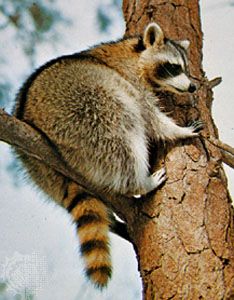
The wild horses found on Cumberland Island National Seashore are not native to the barrier island. While the island is known for its diverse ecological zones, including maritime forests and salt marshes, these horses were introduced by humans to the island in the past. They have since established a feral population that roams the landscape alongside other wildlife such as deer, raccoons, and alligators.2
Sources
- Cumberland Islands — Encyclopædia Britannica
- Cumberland Island National Seashore — Encyclopædia Britannica
- national seashore — Encyclopædia Britannica
- Whitsunday Island — Encyclopædia Britannica
- Great Barrier Reef — Encyclopædia Britannica
- Hayman Island — Encyclopædia Britannica
- barrier island — Merriam-Webster
- coastal landforms - Barrier island/estuarine systems — Encyclopædia Britannica
- continental island — Merriam-Webster
- Atlantic Ocean - Islands of the Atlantic Ocean — Encyclopædia Britannica
Published on · 3 min read