Celery-top Pine
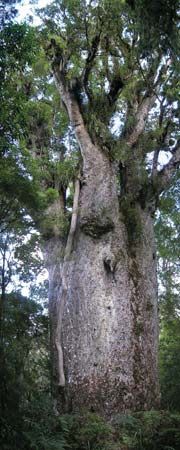
The celery-top pine (Phyllocladus aspleniifolius) is a slow-growing conifer belonging to the Podocarpaceae family. It is native to the temperate rainforests…
What is Celery-top pine?
The celery-top pine (Phyllocladus aspleniifolius) is a slow-growing conifer belonging to the Podocarpaceae family. It is native to the temperate rainforests of Tasmania, where it thrives at elevations ranging from sea level to 750 metres.1
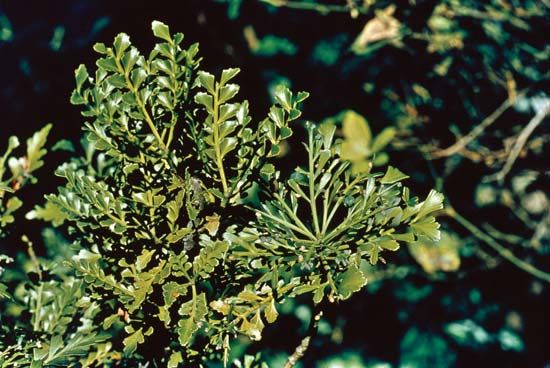
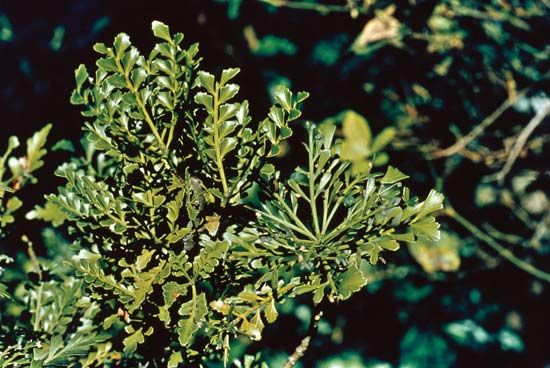
While the tree can reach heights of 18 to 30 metres in lower areas, it often remains shrubby at higher altitudes. Its common name is derived from its leathery, leaf-like branches known as phylloclades, which perform the functions of leaves and resemble the leaflets of celery. Because of its dense, golden-brown wood, the species is valued for use in fine furniture.1
What are phylloclades and how do they function?
A phylloclade (also known as a phyllocladium) is a flattened stem or branch that has evolved to perform the functions of a leaf.34
These structures are common in various plants, such as certain species of cacti, where the stem takes on the photosynthetic role typically reserved for foliage. By functioning as a leaf, the phylloclade allows the plant to carry out essential biological processes like photosynthesis even when true leaves are reduced, absent, or modified for other purposes, such as protection or water conservation.35
What other unique trees are native to Tasmania?
Tasmania is home to a diverse array of unique and endemic tree species, many of which thrive in its cool temperate rainforests and alpine regions. Notable examples include:
- Huon pine (Lagarostrobos franklinii): A slow-growing, gray-barked conifer found along river systems. It is highly valued for its fragrant, soft, and durable wood, which has historically been used in shipbuilding and fine cabinetry.67
- Myrtle beech (Nothofagus cunninghamii): A dominant rainforest species that can reach heights of up to 80 metres. It is an evergreen timber tree known for its fine-textured wood.8
- Deciduous beech (Nothofagus gunnii): Also known as the Tasmanian tanglefoot, this is one of the few deciduous trees on the island, found primarily on mountain plateaus.89
- Tasmanian blue gum (Eucalyptus globulus): The state flower of Tasmania, this species is a prominent member of the island’s extensive eucalypt forests.10119
- Horizontal (Anodopetalum biglandulosum): A remarkable small tree that forms dense, nearly impenetrable thickets. Its trunk falls under its own weight, causing new branches to grow from the fallen stem in a repeating pattern.9
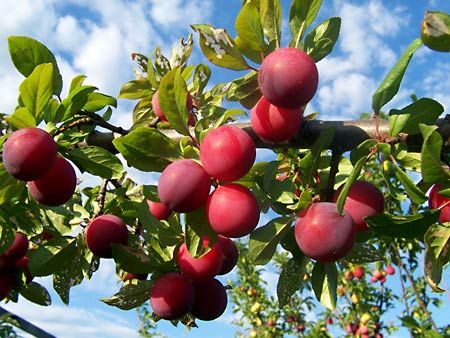
Other notable native species include the King Billy pine, native plum, and various types of eucalyptus.12
Why is the wood of the celery-top pine valued for furniture?
The wood of the celery-top pine (Phyllocladus aspleniifolius) is highly valued for fine furniture primarily due to its dense, golden-brown quality. This slow-growing conifer, native to the temperate rainforests of Tasmania, produces timber that is prized for its durability and aesthetic appeal.2
While the tree is often recognized for its unique, celery-like phylloclades—flattened branches that perform the functions of a leaf—it is the structural integrity and rich color of its wood that make it a sought-after material for high-quality craftsmanship.12
Sources
- celery-top pine — Encyclopædia Britannica
- celery-topped pine — Merriam-Webster
- phylloclade — Merriam-Webster
- phyllocladium — Merriam-Webster
- Angiosperm - Leaf modifications — Encyclopædia Britannica
- Huon pine — Encyclopædia Britannica
- Tasmanian Wilderness — Encyclopædia Britannica
- Tasmania: Country Facts — Encyclopædia Britannica
- Huon pine — Merriam-Webster
- Tasmanian blue gum — Merriam-Webster
- Southern beech — Encyclopædia Britannica
- Tasmania - Plant and animal life — Encyclopædia Britannica
Published on · 2 min read