Mammalogy
Modern mammalogy has evolved into a multidisciplinary field, significantly transformed by technological advancements that allow researchers to study mammals…
How has technology advanced the field of mammalogy in recent years?
Modern mammalogy has evolved into a multidisciplinary field, significantly transformed by technological advancements that allow researchers to study mammals in ways previously considered impossible.1
Key technological developments include:
- Field Research Tools: The use of scuba gear has been vital for studying marine mammals, while telemetry—utilizing miniature radio transmitters—enables scientists to track free-living animals and monitor their physiological data in natural environments.1
- Observational Technology: Video technology has become a standard tool for documenting animal behavior in the wild.1
- Laboratory Advancements: Molecular techniques have revolutionized the study of phylogeny, providing researchers with precise methods to determine evolutionary relationships between species.1
These innovations have shifted the focus of the field beyond traditional taxonomy and museum-based specimen analysis toward a deeper understanding of the biology, genetics, and biochemistry of diverse species.1
What are the main characteristics that define mammals?
Mammals (class Mammalia) are defined by several unique biological and anatomical characteristics that distinguish them from other vertebrates.2
Primary Defining Characteristics
- Mammary Glands: All female mammals possess mammary glands that produce milk to nourish their young.23
- Hair: Hair is a typical mammalian feature, serving functions such as insulation, sensory perception (via vibrissae), and protection.24
- Middle Ear Structure: Mammals have three tiny bones in the middle ear—the malleus, incus, and stapes—which transmit sound waves.25
- Jaw Articulation: The lower jaw consists of a single bone (the dentary) that hinges directly to the skull.25
- Diaphragm: A muscular diaphragm separates the thoracic cavity (containing the heart and lungs) from the abdominal cavity.2
- Red Blood Cells: Mature mammalian erythrocytes lack a nucleus, unlike those of other vertebrates.26
Physiological and Reproductive Traits
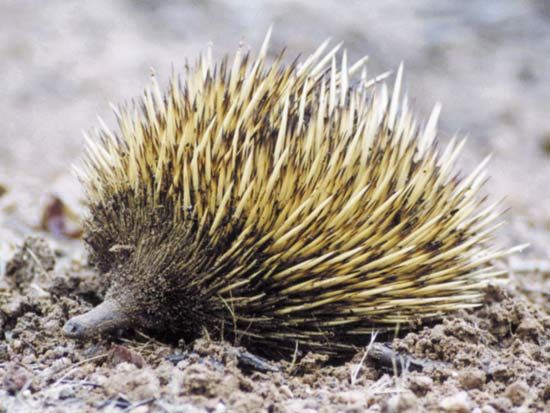
Most mammals are viviparous, meaning they bear live young, with the exception of monotremes, which lay eggs. Furthermore, mammals are generally endothermic, allowing them to regulate their internal body temperature independently of the environment, which supports high levels of sustained activity.26
What are some of the most significant discoveries in the field of mammalogy?
Significant discoveries in the field of mammalogy have spanned from the reconstruction of evolutionary history to the development of modern molecular techniques. Key milestones include:
- Evolutionary Origins: Research into the Triassic Period has clarified that mammals evolved from therapsids, a group of synapsids. This transition involved the development of complex traits like endothermy, hair, and a specialized jaw structure that eventually contributed to the mammalian middle ear.5
- Molecular Revolution: The application of molecular biology after 1950, particularly the study of DNA and protein sequences, provided a “molecular clock” to estimate when lineages diverged. Techniques like polymerase chain reaction (PCR) and genome sequencing have since transformed our understanding of phylogeny. sequencing have since transformed our understanding of phylogeny.87
- Primate Paleontology: Discoveries in regions like the Fayum in Egypt have provided critical evidence for the evolution of catarrhines, while the identification of transitional fossils like Rooneyia has helped map the complex history of primate development.81
- Behavioral Science: The emergence of ethology in the 20th century, highlighted by the work of Konrad Lorenz and Nikolaas Tinbergen, and the later synthesis of sociobiology by E.O. Wilson, fundamentally changed how scientists interpret social behavior and kin selection.910
What are some of the most diverse mammal groups, and why are they significant?
Mammals exhibit remarkable diversity in form and habit, having adapted to nearly every major habitat on Earth. Two of the most significant and diverse groups are rodents and bats.1314
Rodents (Order Rodentia)
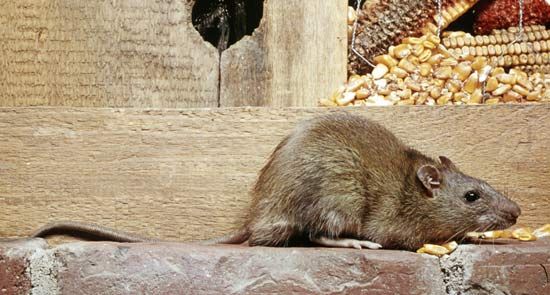
Rodents are the most numerous group of mammals, comprising nearly half of all living mammalian species.1315
- Characteristics: They are defined by a pair of ever-growing, rootless incisor teeth in both the upper and lower jaws.15
- Significance: Beyond their sheer numbers, rodents are ecologically vital and deeply intertwined with human history. While some species are major agricultural pests or disease vectors (such as rats and mice), others are essential for biomedical research, provide food and fur, and serve as important subjects for studying evolutionary biology.16
Bats (Order Chiroptera)
Bats are the only mammals capable of true flight, a trait that has allowed them to become one of the most populous and diverse orders.17
- Characteristics: They utilize echolocation to navigate and hunt in the dark.17
- Significance: Bats exhibit a wide range of feeding habits, including insectivory, frugivory, and nectar feeding, which makes them critical to various ecosystems. Their ability to form massive colonies—sometimes numbering in the hundreds of millions for a single species—demonstrates their immense ecological impact.1817
Sources
- mammalogy — Encyclopædia Britannica
- mammal — Encyclopædia Britannica
- mammal - Skin and hair — Encyclopædia Britannica
- mammal - Skeleton — Encyclopædia Britannica
- mammal - The evolution of the mammalian condition — Encyclopædia Britannica
- mammary gland — Encyclopædia Britannica
- primate - Oligocene — Encyclopædia Britannica
- evolution - Molecular biology and Earth sciences — Encyclopædia Britannica
- Animal social behavior - A historical perspective on the study of social behavior — Encyclopædia Britannica
- Zoology - Ethology — Encyclopædia Britannica
- primate - Renewed interest in primate origins — Encyclopædia Britannica
- artiodactyl - Importance to humans — Encyclopædia Britannica
- bat — Encyclopædia Britannica
- mammal - Food habits — Encyclopædia Britannica
- mammal - Diversity — Encyclopædia Britannica
- rodent — Encyclopædia Britannica
- rodent - Importance to humans — Encyclopædia Britannica
- placental mammal — Encyclopædia Britannica
- monotreme — Encyclopædia Britannica
- mammal - Natural history — Encyclopædia Britannica
- mammal - Importance to humans — Encyclopædia Britannica
Published on · 3 min read