Groundsel
Groundsel refers to a large and diverse genus of flowering plants known as Senecio, which belongs to the aster family (Asteraceae). Distributed globally…
What is Groundsel?
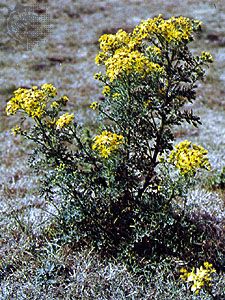
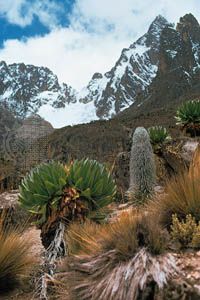
Groundsel refers to a large and diverse genus of flowering plants known as Senecio, which belongs to the aster family (Asteraceae). Distributed globally, this genus includes approximately 1,200 species that range from annual, biennial, or perennial herbs to shrubs, trees, and succulents.1
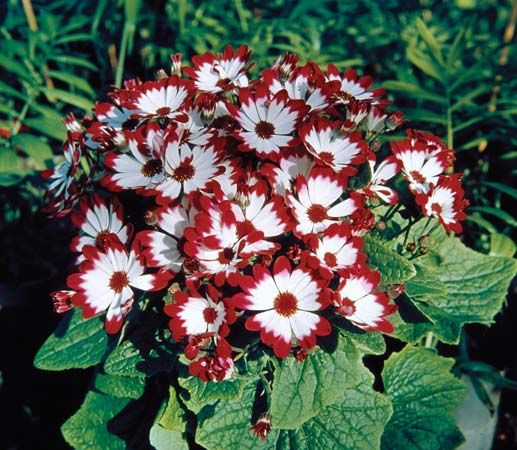
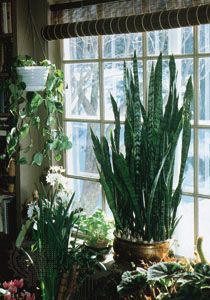
While some species are popular as houseplants or border plants—such as dusty miller and florist’s cineraria—many contain alkaloids that are poisonous to grazing animals. Common varieties include the annual Senecio vulgaris and the naturalized weed known as wood groundsel (Senecio sylvaticus). Due to the group’s vast diversity, some botanists now classify certain succulent species under the separate genus Curio.12
Why are some groundsel species considered poisonous to animals?
Some groundsel species (Senecio) are considered poisonous to animals because they contain alkaloids, which are biologically active chemical substances.3
Alkaloids are nitrogen-containing compounds that are typically bitter in taste and capable of causing strong physiological reactions when ingested by animals. While the provided search results do not detail the specific toxicological mechanism of Senecio alkaloids, they note that most of the thousands of characterized alkaloids produce significant biological activity. Generally, plants containing such toxins can cause a variety of harmful effects in livestock and other animals, ranging from nervous system distress to organ damage, depending on the specific chemical constituents present in the plant.3
What are the main differences between annual, biennial, and perennial plants?
The primary difference between annual, biennial, and perennial plants lies in the length of their life cycles and how they persist across growing seasons.
Annuals
Annuals are plants that complete their entire life cycle—germination, growth, flowering, and seed production—within a single growing season. Once they produce seeds, the vegetative portion of the plant typically dies, and the species survives to the next year only through its dormant seeds.45
Biennials
Biennials require two growing seasons to complete their life cycle. During the first season, they focus on vegetative growth, producing roots, stems, and leaves. In the second season, they produce flowers, fruits, and seeds before dying.67
Perennials
Perennials are plants that live for an indefinite number of years. While their aboveground portions may die back in autumn in colder climates, the plant survives through specialized underground structures like bulbs, rhizomes, corms, or tubers, allowing them to regrow and bloom year after year.87
How do invasive plant species like wood groundsel spread to new areas?
Wood groundsel (Senecio sylvaticus) is a European annual herb that has become widely naturalized as a weed in North America. While specific dispersal mechanisms for wood groundsel are not detailed in the provided text, invasive plants generally spread to new areas through a combination of natural and human-mediated processes.2
Plants typically distribute their seeds via wind, water, or by attaching to birds and other animals. However, human activity has been a primary driver of plant migration over the last two centuries. Humans often spread species both deliberately and inadvertently, such as through the transport of contaminated fodder or the movement of goods containing seeds. Once introduced to a new environment, aggressive invasive species can exploit available resources and lack of natural competitors to establish themselves and spread rapidly across the landscape.10
Sources
- Groundsel — Encyclopædia Britannica
- wood groundsel — Merriam-Webster
- poison - Plant poisons (phytotoxins) — Encyclopædia Britannica
- Biennial — Encyclopædia Britannica
- Perennial — Encyclopædia Britannica
- Annual — Encyclopædia Britannica
- Angiosperm - General features — Encyclopædia Britannica
- life span - Annuals — Encyclopædia Britannica
- Is That Plant 'Perennial' or 'Annual'? — Merriam-Webster
- Plant - Dispersal and colonization — Encyclopædia Britannica
Published on · 2 min read