Gulf of Batabanó
The Gulf of Batabanó is an inlet of the Caribbean Sea that indents the southwestern coast of Cuba.
What is Gulf of Batabanó?
The Gulf of Batabanó is an inlet of the Caribbean Sea that indents the southwestern coast of Cuba.1
Spanning approximately 80 miles (130 km), the gulf stretches from the eastern shore of Pinar del Río province to the Zapata Peninsula and the coast of Matanzas province. To its north lies La Habana province, while the Isla de la Juventud is situated about 50 miles (80 km) to the south.1
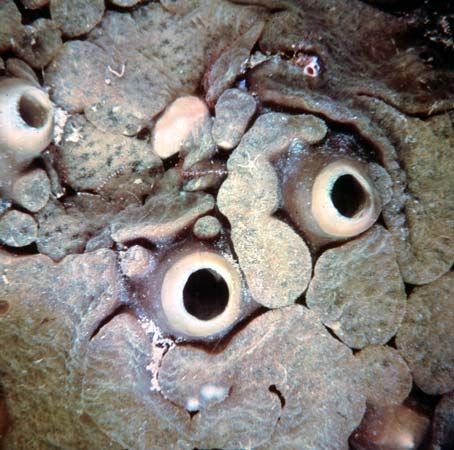
This gulf is characterized by its shallow waters and is dotted with numerous small islands and keys. Economically, the region is notable for its sponge fishing industry.1
What is the history of the Isla de la Juventud?
The Isla de la Juventud, located in the Caribbean Sea, was historically known as the Isle of Pines (Isla de Pinos) before adopting its current name.23
The island’s political status was clarified in the early 20th century through a 1904 treaty that recognized Cuban sovereignty over the territory. This treaty was formally ratified by the United States in 1925 ](https://www.britannica.com/place/United-States) in 1925. Today, it functions as a municipio especial (special municipality) of Cuba, with its capital located in Nueva Gerona.24
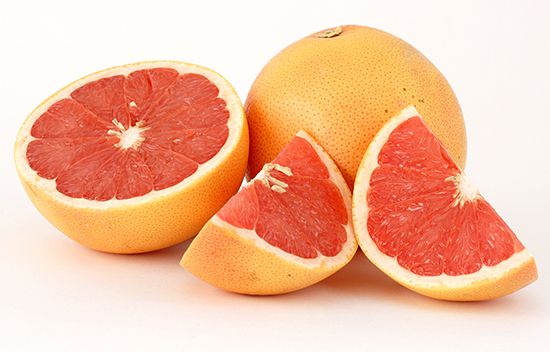
Geographically, it is the largest member of the Canarreos Archipelago. While the northern region features pine forests and savannas, the southern section remains isolated and sparsely inhabited, separated by the Lanier Swamp. The island’s economy has historically relied on fishing, citrus production—particularly grapefruit—and the extraction of kaolin and marble.4
How does sponge fishing impact the local ecosystem?
Sponge fishing and related human activities can have significant impacts on marine ecosystems, primarily through the physical disturbance of the seafloor and the removal of organisms that play vital roles in their habitats.
- Habitat Disruption: Sponges often serve as essential structural components of the seafloor, providing shelter and nourishment for a vast array of marine life, including crustaceans, worms, and mollusks. When sponges are removed or damaged, these associated species lose their habitat, which can lead to a decline in local biodiversity7.5
- Physical Damage: Commercial fishing methods, particularly bottom trawling, cause widespread destruction to the seabed. This process involves dragging heavy gear that crushes and buries bottom-dwelling organisms, including sponges, corals, and other invertebrates. Because many of these species are slow-growing, they are often unable to recover before the area is disturbed again.6
- Ecological Balance: Some sponges, such as those in the family Clionidae, naturally excavate calcium carbonate from corals and limestone. While this is a natural process, human-induced damage can weaken these structures, making them more susceptible to further abrasion by waves and environmental stress.7
We could dive deeper into the specific conservation efforts aimed at protecting marine invertebrates or explore how different fishing techniques are being modified to reduce environmental impact.
What are the main characteristics of the Caribbean Sea?
The Caribbean Sea is a vast suboceanic basin of the western Atlantic Ocean, covering approximately 1,063,000 square miles (2,753,000 square km). It is bounded by Central and South American coastlines to the south and west, and by the Greater Antilles and Lesser Antilles island arcs to the north and east.9
Key characteristics include:
- Physiography: The seafloor is divided into five submarine basins—the Yucatán, Cayman, Colombian, Venezuelan, and Grenada basins—separated by submerged ridges and rises. Its greatest depth is the Cayman Trench, reaching about 25,216 feet (7,686 meters) below sea level.109
- Hydrology: The sea is characterized by distinct water layers. Deep, oxygen-rich water enters from the Atlantic through passages like the Windward Passage, while shallow sills restrict the entry of colder Antarctic bottom water, keeping the Caribbean’s bottom temperature near 39 °F (4 °C).11
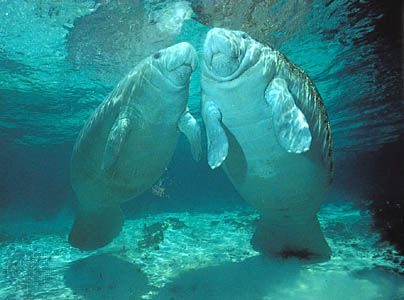
- Ecology: The region is defined by coral reefs that support diverse marine life, including sea turtles, manatees, and various reef fishes. However, these ecosystems face significant threats from pollution and disease, which have contributed to the decline of major reef-building corals.1213
Sources
- Gulf of Batabanó — Encyclopædia Britannica
- Isla de la Juventud — Encyclopædia Britannica
- Youth, Isle of — Merriam-Webster
- Cuba - Relief — Encyclopædia Britannica
- Sargassum — Encyclopædia Britannica
- sponge - Habitats — Encyclopædia Britannica
- sponge - Associations with other organisms — Encyclopædia Britannica
- conservation - In the oceans — Encyclopædia Britannica
- Caribbean Sea — Encyclopædia Britannica
- Caribbean Sea - Physiography — Encyclopædia Britannica
- Caribbean Sea - Hydrology — Encyclopædia Britannica
- Caribbean Sea - Resources — Encyclopædia Britannica
- Caribbean Sea - Geology — Encyclopædia Britannica
- conservation - Pollution — Encyclopædia Britannica
Published on · 3 min read