Herpetology
Herpetology is the scientific study of amphibians and reptiles. As a branch of vertebrate biology, it encompasses several cross-disciplinary research areas…
What are some of the main research areas in herpetology?
Herpetology is the scientific study of amphibians and reptiles. As a branch of vertebrate biology, it encompasses several cross-disciplinary research areas, including:
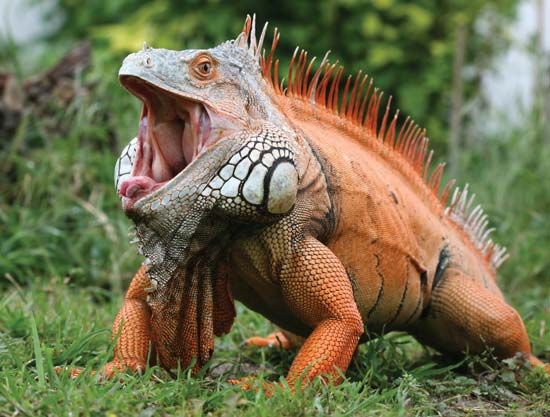
- Behavior and Ecology: Researchers study how these animals interact with their environments and each other. For example, population ecology has been significantly advanced through the study of iguanid lizards.1
- Physiology and Anatomy: Scientists examine biological mechanisms, such as those related to body heat, using reptiles as experimental models.2
- Taxonomy and Distribution: Classification and the study of where species live remain fundamental, with amateur scientists often contributing valuable data.1
- Paleontology: This field explores the evolutionary history and fossil records of amphibians and reptiles, helping to map the lineage of species over millions of years.134
- Biomedical Research: Studies of snake venom have been instrumental in developing treatments for neurological and cardiac disorders, as well as pain-management drugs.12
How does herpetology differ from other branches of zoology?
Herpetology does not fundamentally differ from other branches of zoology in its scientific objectives; rather, it is distinguished primarily by its specific subject matter: the study of amphibians and reptiles.15
Like other specialized fields of vertebrate biology—such as ichthyology (the study of fishes) or mammalogy—herpetology utilizes the same cross-disciplinary approaches, including ecology, physiology, anatomy, and taxonomy. While zoology as a whole has shifted toward a broader, unified view of life that emphasizes common biological principles across all organisms, herpetology remains a focused discipline defined by the unique evolutionary and structural characteristics of its target groups.167
A notable distinction is that herpetology is a particularly popular field for amateur contributions, which frequently provide valuable data on species distribution and behavior. Furthermore, research within herpetology often serves as a model for general biological concepts, such as using larval amphibians to understand embryology or studying snake venom to advance medical knowledge of human disorders.1
How has the field of herpetology evolved over time?
The field of herpetology has evolved from its ancient roots as a broad categorization of “creeping” animals—derived from the Greek herpetos—into a rigorous, modern scientific discipline.17
Historically, herpetology was often defined by a tendency to group amphibians and reptiles together based on superficial similarities. Over time, the field has shifted toward a more precise understanding of evolution and phylogeny. Modern research has corrected long-standing misconceptions, such as the erroneous view that amphibians served as a direct intermediate step in the evolution of reptiles from fishes. Instead, current evidence shows that while both groups share a common tetrapod ancestor, they represent distinct evolutionary lineages.9
Technological advancements, including DNA sequencing and X-ray computed tomography, have revolutionized the field, allowing scientists to reexamine established “facts” and refine classifications. This has led to a more complex but accurate understanding of evolutionary relationships, such as the classification of birds within the Archosauria and the recognition of snakes as a specialized group of lizards. Today, herpetology remains a vibrant, popular science where both professional researchers and amateurs contribute to our knowledge of species distribution, behavior, and taxonomy.91
How do herpetologists study reptiles and amphibians in their natural habitats?
Herpetologists study amphibians and reptiles in their natural habitats through a combination of technical research and field observations. While much of the formal scientific work is conducted by researchers at universities and museums, the field also benefits significantly from contributions by amateurs who provide valuable data on distribution and behavior.1
Field research often involves direct observation and the manipulation of populations to test hypotheses regarding evolution and ecology. For instance, scientists may study lizard species, such as anoles, to examine physiological mechanisms or population dynamics. To track movements and migratory patterns—such as those observed in sea turtles or giant land tortoises—researchers utilize tagging methods, which allow them to monitor individuals over long distances and across different environments. Additionally, field studies are essential for conservation management, where monitoring population health and reproductive success helps prevent localized extinctions and supports the recovery of species like the American alligator.411
Sources
- herpetology — Encyclopædia Britannica
- reptile - Fossil distribution — Encyclopædia Britannica
- reptile - Historical development — Encyclopædia Britannica
- reptile - Importance — Encyclopædia Britannica
- Zoology - General trends — Encyclopædia Britannica
- Zoology — Encyclopædia Britannica
- amphibian — Encyclopædia Britannica
- herpetology — Merriam-Webster
- reptile - Critical appraisal — Encyclopædia Britannica
- herpet- — Merriam-Webster
- Migration - Reptiles and amphibians — Encyclopædia Britannica
Published on · 3 min read