Phacelia
Phacelia is a genus comprising approximately 150 species of annual herbs. These plants are native to North America and Andean South America and are…
What is Phacelia?
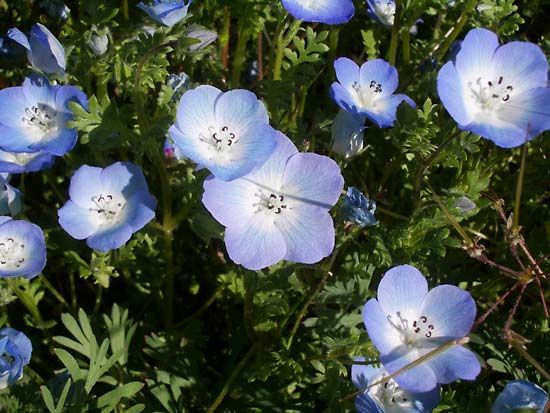
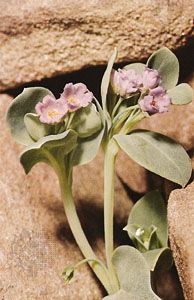
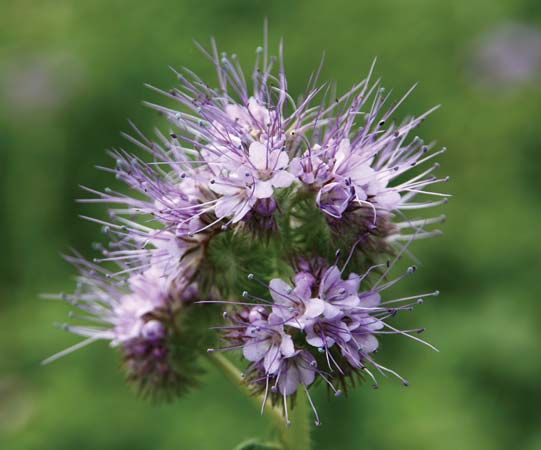
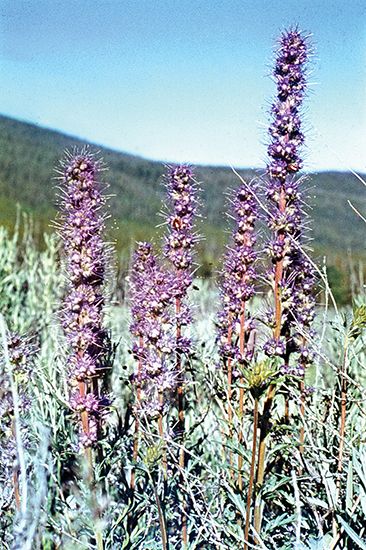
Phacelia is a genus comprising approximately 150 species of annual herbs. These plants are native to North America and Andean South America and are characterized by their white, blue, or purple flowers, which often grow in scorpioid cymes.12
Botanically, the genus is classified within the family Boraginaceae. Several species are cultivated as garden flowers, such as Phacelia campanularia, which is native to the dry slopes of southern California and features blue, five-lobed blooms. Another notable member is the California bluebell (P. whitlavia), known for its distinct urn-shaped flowers. The name is derived from the Greek word phakelos, meaning “bundle” or “faggot,” referring to the plant’s growth habit.12
Why are Phacelia plants often called bee magnets?
Phacelia plants are frequently referred to as “bee magnets” because they are highly effective at attracting bees, which are among the most important insect pollinators.
These plants possess specific traits that align with the sensory and behavioral adaptations of bees:
- Color Attraction: Bees are highly sensitive to blue, purple, and ultraviolet light—colors commonly found in Phacelia blooms. This sensitivity allows bees to easily locate these flowers, even identifying nectar-guide patterns that are invisible to the human eye.3
- Nectar and Pollen Resources: As bees rely on nectar for energy and pollen for larval development, they are naturally drawn to flowers that provide these resources in abundance. The floral structure of many bee-pollinated plants is designed to ensure that the insect picks up and delivers pollen efficiently during a single visit.3
- Fragrance: Beyond visual cues, the specific fragrances emitted by these flowers act as a decisive factor in attracting bees and encouraging them to return to the same species as long as the food source remains available.3
What are some other plants in the Boraginaceae family?
The Boraginaceae family, often called the borage or forget-me-not family, is a diverse group of flowering plants that includes many well-known garden ornamentals and medicinal herbs.
Common plants within this family include:
- Borage: An edible annual known for its starlike blue flowers and cucumber-scented leaves.45
- Forget-me-not: Belonging to the genus Myosotis, these are popular garden flowers.4
- Heliotrope: Plants in the genus Heliotropium, often grown for their fragrance.4
- Virginia bluebell: Scientifically known as Mertensia virginica.4
- Lungwort: Plants in the genus Pulmonaria.4
- Comfrey: A plant (Symphytum officinale) historically used for medicinal purposes.4
- Puccoon or stoneseed: Plants in the genus Lithospermum.4
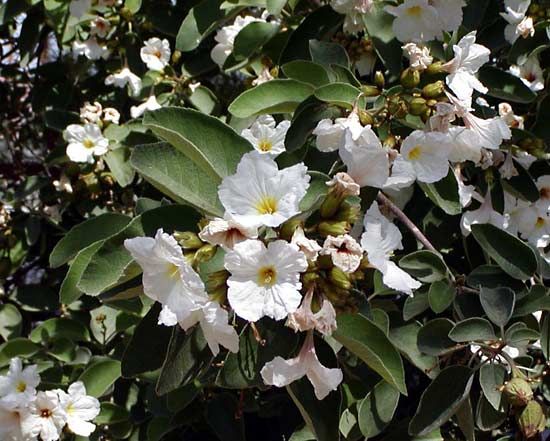
- Cordia: A diverse tropical genus that includes important timber species.4
- Waterleaf: Members of the subfamily Hydrophylloideae, such as Hydrophyllum and Wigandia.4
How do annual herbs differ from perennial plants?
The primary difference between annuals and perennials lies in the duration of their life cycles.
Annuals
An annual is a plant that completes its entire life cycle—germination, growth, flowering, and seed production—within a single growing season. Once the plant has produced seeds, it dies, and the only part of the plant that survives to the next season is the dormant seed. Many common garden vegetables, such as corn, beans, and peas, as well as many wildflowers and weeds, are annuals.678
Perennials
A perennial is a plant that lives for an indefinite number of years. While woody plants like trees and shrubs are perennials, the term also applies to herbaceous plants that regrow from year to year. In temperate climates, the aboveground portions of herbaceous perennials often die back at the end of the growing season, but the plant survives through specialized underground structures such as bulbs, rhizomes, corms, or tubers, which send up new shoots the following season.910611
Sources
- Phacelia — Encyclopædia Britannica
- phacelia — Merriam-Webster
- pollination - Bees — Encyclopædia Britannica
- Boraginaceae — Encyclopædia Britannica
- borage — Encyclopædia Britannica
- Is That Plant 'Perennial' or 'Annual'? — Merriam-Webster
- perennial — Encyclopædia Britannica
- angiosperm - General features — Encyclopædia Britannica
- annual — Encyclopædia Britannica
- gardening - Herbaceous plants — Encyclopædia Britannica
- plant - Classification of angiosperms — Encyclopædia Britannica
Published on · 3 min read