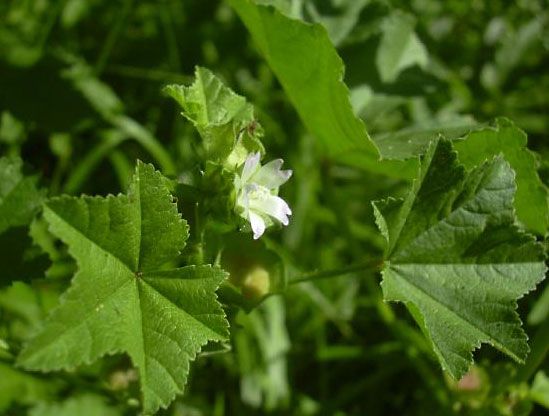
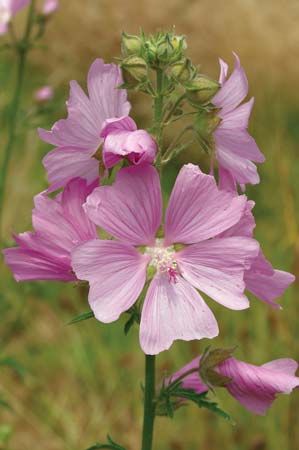
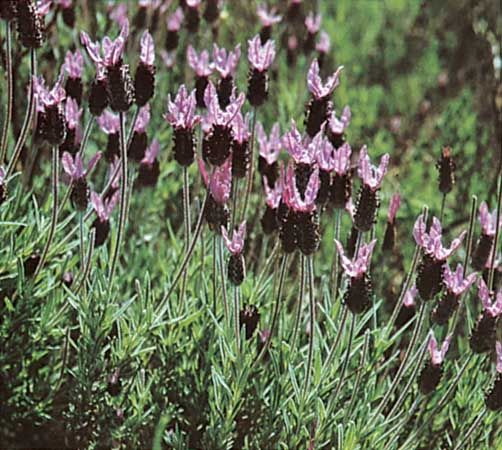
Rose of Sharon
The term "rose of Sharon" most commonly refers to Hibiscus syriacus (also known as Althaea syriaca), a shrub or small tree in the mallow family (Malvaceae).…
What is rose of Sharon?
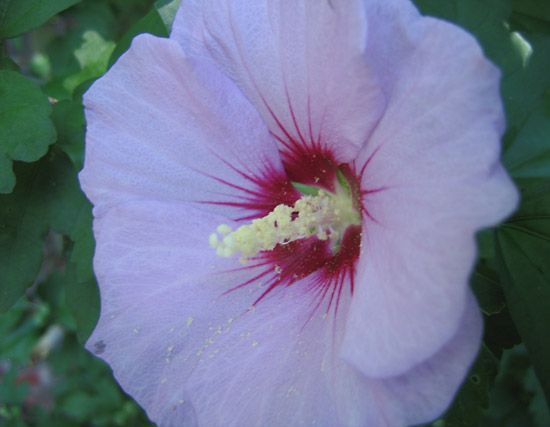
The term “rose of Sharon” most commonly refers to Hibiscus syriacus (also known as Althaea syriaca), a shrub or small tree in the mallow family (Malvaceae). Native to eastern Asia, this plant is widely cultivated as an ornamental for its showy, bell-shaped flowers, which appear in shades of white, pinkish lavender, and purple, often featuring a crimson base.123
The plant typically reaches a height of about 3 meters (10 feet) and generally grows in a low-branching, pyramidal habit. It is important to note that the name “rose of Sharon” is also applied to Hypericum calycinum, a different plant species belonging to the family Clusiaceae.1
What are the main characteristics of the mallow family?
The mallow family (Malvaceae) is a diverse group comprising approximately 243 genera and at least 4,225 species of herbs, shrubs, and trees found worldwide.4
Key characteristics of the family include:
- Vegetative Features: Leaves often exhibit palmate venation with a swollen petiole apex. The bark is typically stringy or fibrous due to bands of fibers in the phloem. Mucilage cells and stipules are also common.5
- Floral Structure: Members frequently feature showy, five-petaled flowers often accompanied by an epicalyx (fused bracts below the sepals). The stamens are usually numerous, and the petals typically overlap in a contorted pattern.45
- Economic Importance: Many species are cultivated for natural fibers (such as cotton and jute), food crops (including cacao, okra, and durian), and as garden ornamentals.46
How do hibiscus flowers differ from other garden shrubs?
Hibiscus flowers are distinguished from many other garden shrubs by several unique botanical features:
- Floral Structure: The most notable characteristic is the central tube formed by the fused stamens, which surrounds the pistil. Additionally, the base of the petals is typically surrounded by an epicalyx, a whorl of leaflike bracts.39
- Ephemeral Blooms: While many garden shrubs maintain their blossoms for extended periods, individual hibiscus flowers often last for only a single day.39
- Microscopic Traits: When viewed under a microscope, hibiscus pollen is characteristically spiny, a trait that helps identify members of the genus.39
- Growth and Fruit: These plants typically produce fruit in the form of capsules. While they are popular ornamentals, they are generally frost-tender and thrive best in warm, humid environments.39
Beyond their appearance, some species are also valued for their edible leaves and flowers, which are used in teas and culinary garnishes.9
What is the historical significance of the Plain of Sharon?
The Plain of Sharon is a historically significant region of the Mediterranean coastal plain in Israel. Inhabited since the Chalcolithic Period, it served as a vital section of the Via Maris, an ancient trade route connecting Egypt to the Fertile Crescent.
Its strategic importance is evidenced by its frequent mention in historical records, including inscriptions by the Egyptian pharaoh Thutmose III and the Old Testament. Throughout history, the plain functioned as the primary land invasion route from the south, utilized by figures ranging from Napoleon to the British General Edmund Allenby.
In the 20th century, the region became central to the Zionist movement’s agricultural resettlement efforts, transforming from a swampy, sparsely populated area into a hub for citrus farming. By the 1930s, it was the most densely settled area of Jewish Palestine, leading international partition plans to designate it as the core of a proposed Jewish state. Today, it remains a highly urbanized and industrialized region.
Sources
- rose of Sharon — Encyclopædia Britannica
- rose of Sharon — Merriam-Webster
- hibiscus — Encyclopædia Britannica
- list of plants in the family Malvaceae — Encyclopædia Britannica
- Malvales — Encyclopædia Britannica
- mallow — Encyclopædia Britannica
- Malvales - Common characteristics — Encyclopædia Britannica
- list of economically important members of the family Malvaceae — Encyclopædia Britannica
- Chinese hibiscus — Encyclopædia Britannica
- Did you know? — Merriam-Webster
- Plain of Sharon — Encyclopædia Britannica
Published on · 3 min read