Rybachy Peninsula
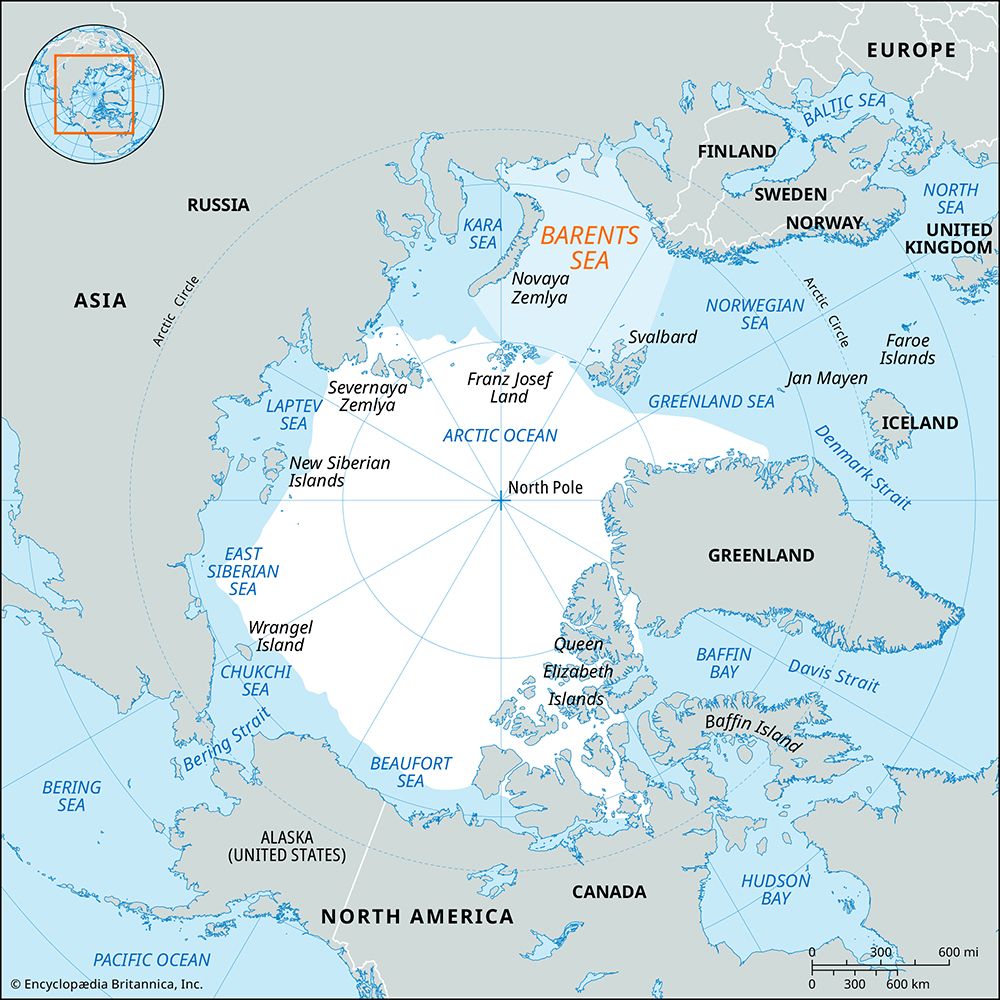
The Rybachy Peninsula is a landmass located in the northwestern part of the Murmansk oblast in Russia, extending into the Barents Sea. Its northernmost point…
What is Rybachy Peninsula?
The Rybachy Peninsula is a landmass located in the northwestern part of the Murmansk oblast in Russia, extending into the Barents Sea. Its northernmost point is known as Cape Nemetsky.1
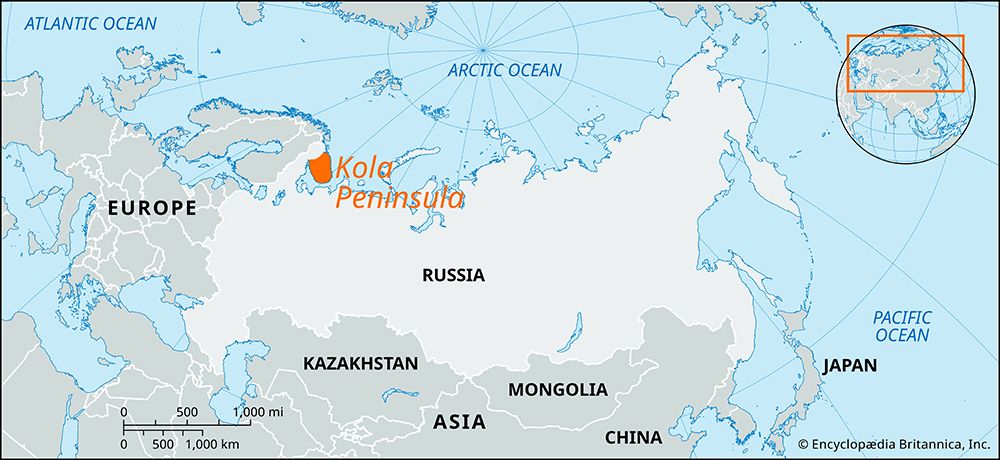
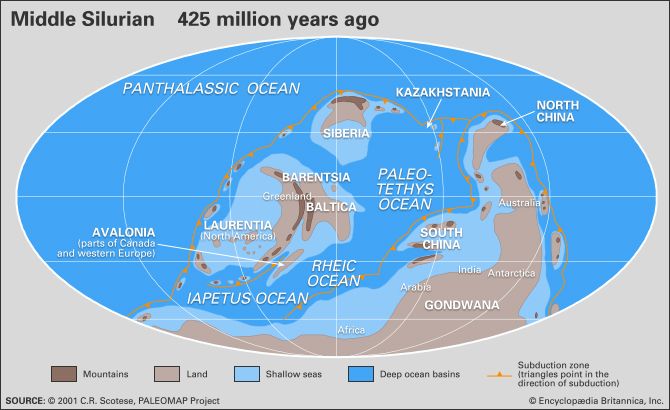
Geologically, the peninsula is distinct from the neighboring Kola Peninsula, separated by the Gulf of Motovsky. While the Kola Peninsula is older, the Rybachy Peninsula is composed of sedimentary strata dating back to the early Silurian Period, approximately 438 to 421 million years ago. The landscape reaches a maximum elevation of 981 feet (299 meters) and is characterized by tundra vegetation.1
What is the difference between tundra and other biomes?
A biome is a major geographic biotic unit defined by its dominant vegetation and environmental conditions, such as forests, grasslands, deserts, and the tundra.2
The tundra is uniquely distinguished from other biomes, particularly the adjacent taiga (boreal forest) and polar barrens, by several key factors:
- Vegetation: Unlike forests, where trees are the dominant life form, the tundra is a treeless region characterized by bare ground, rock, and low-growing vegetation such as mosses, lichens, herbs, and small shrubs.3
- Freeze-Thaw Cycle: A constant factor shaping the tundra is the alternate freezing and thawing of the ground, which creates a distinct ecological environment compared to more stable biomes.3
- Permafrost: Arctic tundra is defined by permafrost, or perennially frozen ground, which is not a feature of most other terrestrial biomes.3
- Climate: Tundra occurs in extremely cold regions, either north of the Arctic Circle or above the timberline on high mountains, where temperatures and winds preclude tree growth.34
How does the Barents Sea affect the local climate?
The Barents Sea plays a significant role in moderating the climate of the surrounding regions, primarily through the influence of warm ocean currents.
- Warm Current Influence: The North Cape Current and the Spitsbergen branches of the Norway Current transport warm Atlantic waters into the Barents Sea. These currents exert a moderating influence on the climate of northern Europe and the Russian mainland, helping to maintain ice-free ports such as Murmansk even during winter.89
- Climate Instability: The interaction between these warm currents and the colder waters of the Arctic creates a highly unstable climate characterized by frequent storms.10
- Temperature and Precipitation: The presence of these warmer waters leads to more temperate winters and higher-than-average precipitation compared to other polar regions. While the northern parts of the sea experience average winter air temperatures of -13 °F (-25 °C), the southwest remains significantly warmer, averaging 23 °F (-5 °C).108
- Regional Impact: The Barents Sea is a key driver of regional climate variability, with its influence extending to the polar basin, where storms originating in the sea can cause temporary temperature spikes.11
What are some unique geological features of the Kola Peninsula?
The Kola Peninsula is a geologically significant region that serves as an extension of the Baltic Shield. Its landscape is defined by several unique features:
- Ancient Foundations: The peninsula is composed of Precambrian granites and gneisses that are more than 540 million years old. These formations have been extensively fractured by faulting and rifting, resulting in a complex topography of upland blocks and rift valleys.13
- Mountain Massifs: The highest elevations are formed by two massive laccoliths—intrusions of igneous rock—known as the Khibiny and Lovozorskye Tundry, which reach heights of 3,907 and 3,674 feet, respectively.13
- Varied Coastal Topography: The northern coast features a plateau that slopes toward a high, cliffed shoreline. In contrast, the southern landscape descends in a series of steps toward the low, swampy Kandalaksha coast.13
- Mineral Wealth: The region is home to the world’s largest deposits of apatite, alongside significant resources of nephelinite, zirconium, and columbium.13
Sources
- Rybachy Peninsula — Encyclopædia Britannica
- Tundra — Encyclopædia Britannica
- biome — Encyclopædia Britannica
- Forest — Encyclopædia Britannica
- Tundra - Distribution — Encyclopædia Britannica
- Taiga — Encyclopædia Britannica
- Taiga - Climate — Encyclopædia Britannica
- Bering Sea and Strait - Climate — Encyclopædia Britannica
- Barents Sea — Encyclopædia Britannica
- North Cape Current — Encyclopædia Britannica
- Norway Current — Encyclopædia Britannica
- Arctic - Climate of the Arctic — Encyclopædia Britannica
- Kola Peninsula — Encyclopædia Britannica
Published on · 3 min read