Seward Peninsula
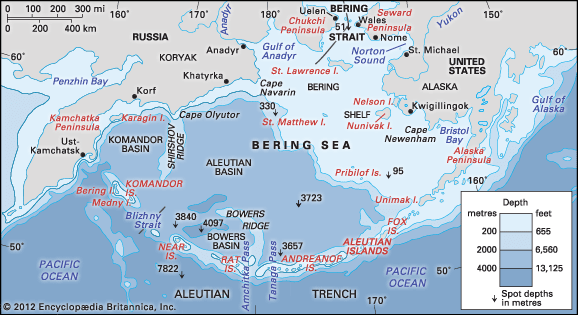
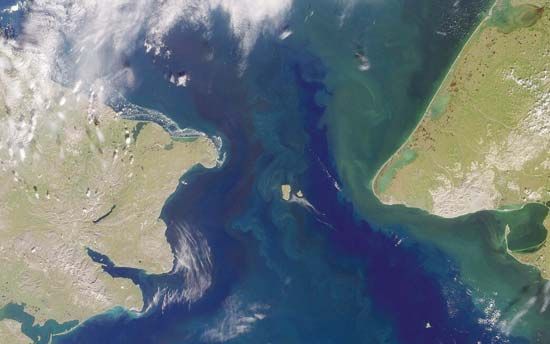
The Seward Peninsula is located in western Alaska, projecting into the Bering Sea between Kotzebue Sound to the north and Norton Sound to the south.
What is the geographical location and size of the Seward Peninsula?
The Seward Peninsula is located in western Alaska, projecting into the Bering Sea between Kotzebue Sound to the north and Norton Sound to the south.12
Regarding its size and dimensions, the peninsula covers approximately 20,600 square miles (53,400 square km). It measures roughly 180 miles (290 km) in length and 130 miles (210 km) in width. Its westernmost point, Cape Prince of Wales, serves as the westernmost extremity of the North American continent, situated just 55 miles (90 km) from Siberia across the Bering Strait. Additionally, the northern portion of the peninsula extends into the Arctic Circle.12
What are the major geographical features of the Seward Peninsula?
The Seward Peninsula in western Alaska is defined by several distinct geographical features:
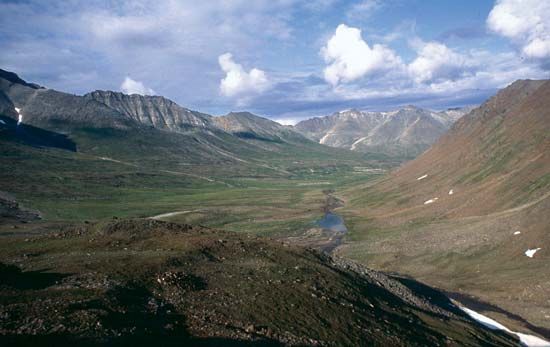
- Topography and Elevation: The peninsula has an average elevation of 2,000 feet (600 metres). A continental divide runs east to west through its center, directing northern waters into the Chukchi Sea and southern waters into the Bering Sea. The highest point is found in the Kigluaik Mountains, which reach 4,714 feet (1,437 metres) in the southwest.1
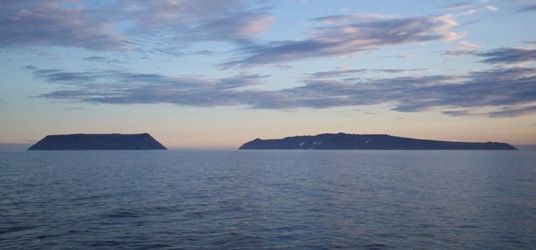
- Volcanic Features: The landscape includes ash explosion craters, lava fields, and several maar lakes, including the Devil Mountain Lakes, which is the largest of its kind in the world. The Serpentine Hot Springs area features thermal pools and granite formations known as tors.3
- Coastal Geography: The peninsula is situated between Kotzebue Sound to the north and Norton Sound to the south. Its western tip, Cape Prince of Wales, is the westernmost point of the North American continent.1
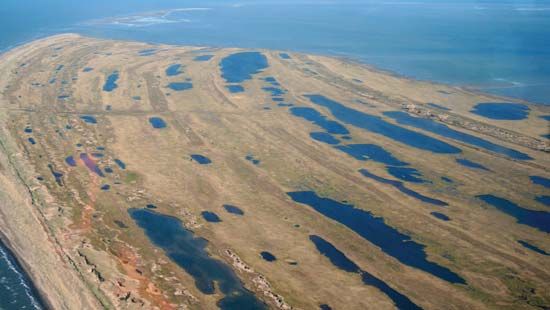
- Protected Areas: Much of the peninsula is occupied by the Bering Land Bridge National Preserve, which consists largely of low, tundra-covered coastal plains.13
What role did the Seward Peninsula play in the Bering Land Bridge theory of human migration?
The Seward Peninsula serves as a critical remnant of Beringia, the vast land bridge that intermittently connected northeastern Asia and northwestern North America during the Pleistocene Epoch.
During the last glacial maximum, approximately 20,000 years ago, global sea levels dropped by as much as 400 feet, exposing the seafloor of the Bering Strait and creating a dry, non-glaciated corridor. This region supported cold-hardy tundra vegetation, which allowed both land mammals and human populations to migrate between the continents. While there is ongoing debate regarding whether early humans traveled primarily via this overland route in pursuit of game or utilized coastal paths, the Seward Peninsula remains a central focus for understanding this migration.5
Today, the Bering Land Bridge National Preserve occupies much of the peninsula, protecting the landscape that once acted as the gateway for the ancestors of modern native peoples in the Americas.51
What are some of the most significant wildlife species found on the Seward Peninsula?
The Seward Peninsula, particularly within the Bering Land Bridge National Preserve, supports a diverse array of wildlife adapted to its tundra and coastal environments.
Significant species found in the region include:
- Land Mammals: The peninsula is home to moose, musk oxen, and reindeer. Predators such as wolves and both polar bears and brown (grizzly) bears are also present.6
- Marine Mammals: Coastal areas provide habitat for seals and walruses. Additionally, beluga and bowhead whales are found in the surrounding waters.6
- Migratory Birds: The preserve serves as a nesting ground for approximately 170 species of birds, including several rare varieties that migrate from northeastern Asia.6
The region’s unique geography, characterized by low coastal plains and volcanic features, creates a vital refuge for these species.6
Sources
- Seward Peninsula — Encyclopædia Britannica
- Seward Peninsula — Merriam-Webster
- Bering Land Bridge National Preserve — Encyclopædia Britannica
- Seward — Encyclopædia Britannica
- Beringia — Encyclopædia Britannica
- Alaska - Plant and animal life — Encyclopædia Britannica
Published on · 3 min read