Why Are Amazon River Dolphins Pink?
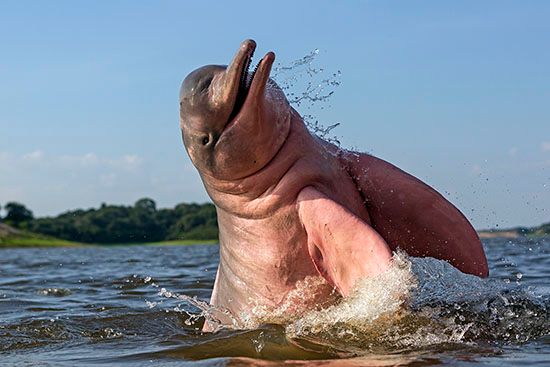
The pink coloration of Amazon river dolphins, or botos, results from a combination of biological, environmental, and behavioral factors.
Why are Amazon River dolphins pink?
The pink coloration of Amazon river dolphins, or botos, results from a combination of biological, environmental, and behavioral factors.1
- Age and Maturity: Young dolphins are typically gray. As they mature, their skin becomes mottled pink and gray, with many adults eventually turning bright pink. This transition is generally more vivid in males than in females.12
- Physiology and Behavior: The pink hue is partly due to the visibility of blood vessels and scar tissue beneath the skin. During social interactions, such as play or competition, increased blood flow to the skin can make the dolphins appear more intensely pink, similar to a human blush.1
- Environment and Diet: Their diet, which includes various fish and crustaceans, may contribute to pigmentation changes over time. Additionally, the sediment-rich, murky waters of the Amazon and Orinoco river basins contain minerals that may influence their skin tone.1
In some instances, this coloration may signal health or vitality, potentially playing a role in social dynamics or mating displays.1
How do river dolphins use sonar to navigate murky water?
River dolphins navigate murky, sediment-rich waters using a highly developed form of echolocation, which is considered among the most effective of all cetaceans.3
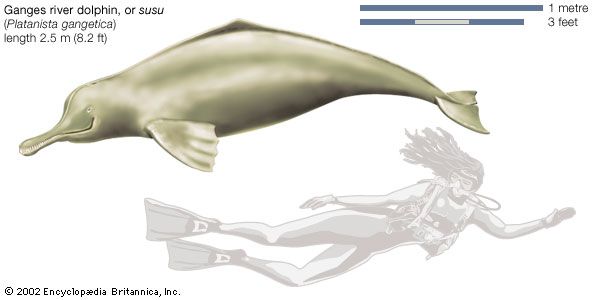
Because visibility in their environment is often extremely poor—and some species, such as the Ganges river dolphin, lack a functional eye lens—they rely on sound to perceive their surroundings. They produce a rapid series of high-frequency clicks, often ranging from 50,000 to 200,000 hertz. These high frequencies are essential for object discrimination in water, where sound travels faster than in air, requiring higher frequencies to achieve the same level of detail.32
These sounds are generated via the larynx or a complex system of passages connected to the blowhole. As the sound waves bounce off objects, the dolphins receive the echoes, allowing them to navigate complex environments, such as submerged tree branches during floods, and locate prey like fish and crustaceans with precision.23
What other species of river dolphins exist besides the Amazon river dolphin?
Beyond the Amazon river dolphin, there are several other species of river dolphins, though some are critically endangered or considered functionally extinct. These small aquatic mammals are generally categorized into the families Platanistidae and Iniidae.25
South American Species
- Araguaian river dolphin (I. araguaiaensis): Classified as a distinct species in 2014, this dolphin inhabits the Araguaia-Tocantins river system in Brazil.2
- Bolivian river dolphin (I. boliviensis): Native to remote streams in the Bolivian Amazon, this species is separated from the Amazon river dolphin by the Teotônio rapids.2
- La Plata river dolphin (Pontoporia blainvillei): Also known as the franciscana, this is the smallest river dolphin species. It inhabits the coastal waters of Brazil, Uruguay, and Argentina.2
Asian Species
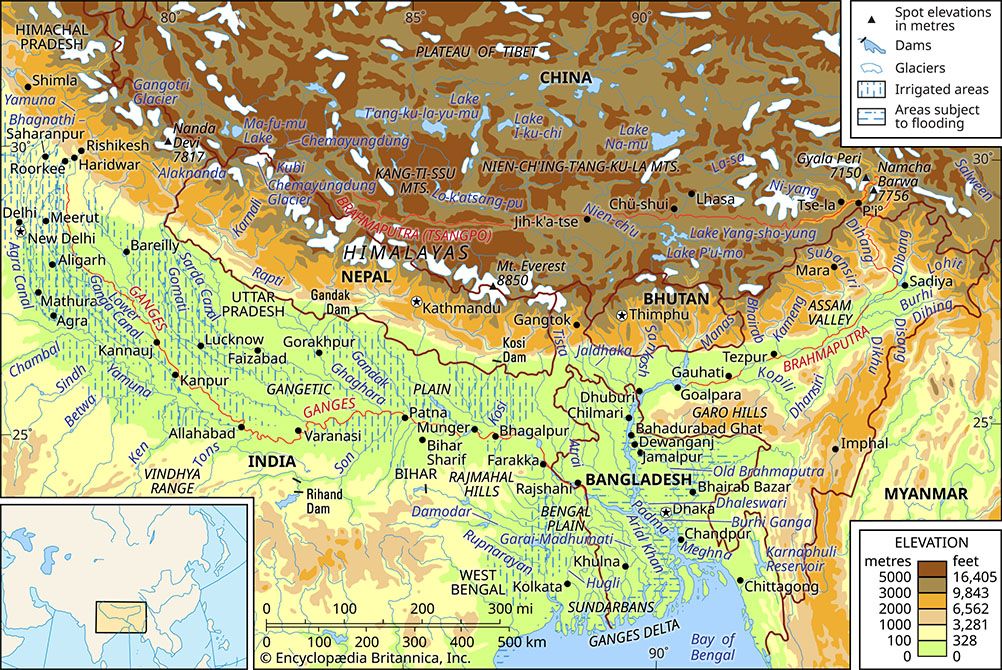
- Ganges river dolphin (Platanista gangetica): Found in the Ganges, Brahmaputra, Karnaphuli, and Meghna river systems.2
- Indus river dolphin (Platanista minor): Often classified as a subspecies of the Ganges river dolphin, it is found exclusively in Pakistan.2
- Baiji (Lipotes vexillifer): Formerly native to China’s Yangtze River, this species is now widely considered to be functionally extinct.25
Why are some river dolphin species considered endangered?
River dolphin species face significant threats to their survival, leading many to be classified as endangered or even critically endangered by the International Union for Conservation of Nature.72
The primary factors contributing to their decline include:
- Habitat Alteration: The construction of dams is a major threat, as these structures restrict the natural migration patterns necessary for the dolphins to thrive.2
- Industrial and Environmental Pressure: Heavy industrial river traffic creates hazardous conditions, while increasing water pollution degrades their environment. In the case of the baiji, or Chinese river dolphin, extreme crowding and pollution in the Yangtze River are believed to have driven the species to functional extinction.2
- Direct Exploitation: Some populations have historically been hunted for their meat and oil.2
Sources
- Why are Amazon River dolphins pink? — Encyclopædia Britannica
- river dolphin — Encyclopædia Britannica
- sound reception - Echolocation in other mammals — Encyclopædia Britannica
- sound reception - Marine mammals — Encyclopædia Britannica
- Ganges River dolphin — Merriam-Webster
- cetacean - Annotated taxonomy — Encyclopædia Britannica
- dolphin: Top Questions — Encyclopædia Britannica
- water pollution: Top Questions — Encyclopædia Britannica
- dolphin — Encyclopædia Britannica
Published on · 3 min read