8 Birds That Can’t Fly
While many birds are masters of flight, some species have evolved to be permanently flightless. This adaptation often occurred in environments where flight…
What are 8 Birds That Can’t Fly?
While many birds are masters of flight, some species have evolved to be permanently flightless. This adaptation often occurred in environments where flight was unnecessary for survival, such as on isolated islands lacking predators.12
Here are eight birds that cannot fly:
- Ostrich: The world’s largest bird, native to Africa, which relies on its great size and running speed to escape predators.132
- Emu: A large, flightless bird native to Australia that is well-adapted for life on the ground.32
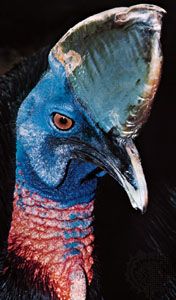
- Cassowary: Another large, flightless bird found in Australia and nearby regions, belonging to the ratite group.32
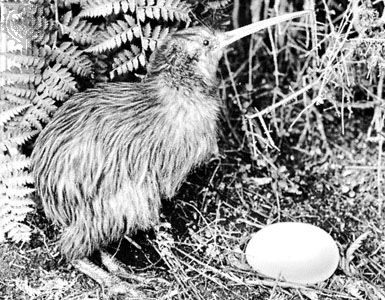
- Kiwi: A small, flightless bird native to New Zealand that lacks a keel on its sternum.132
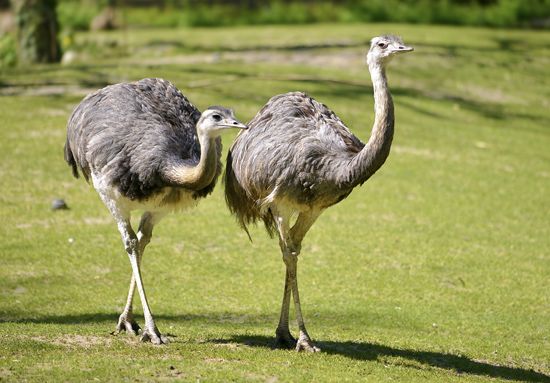
- Rhea: A large, flightless bird found in South America.132
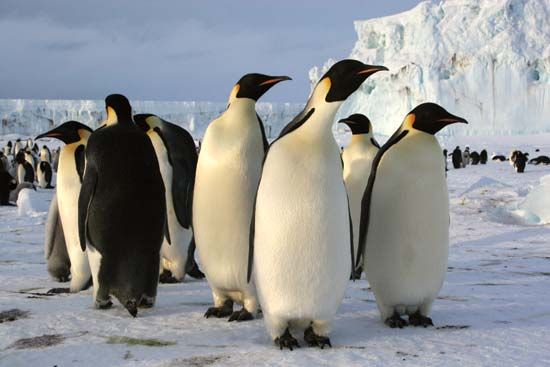
- Penguin: Unlike the ratites, penguins have retained a keel on their sternum, which has evolved to support their powerful, paddle-like wings for swimming.142
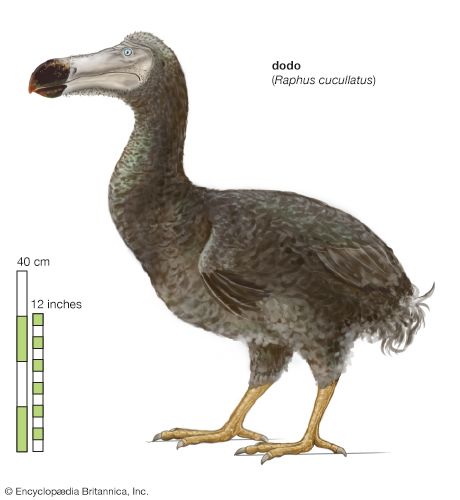
- Dodo: An extinct, stocky bird that once lived on the island of Mauritius.4
- Moa: An extinct group of fast-running, flightless birds that were native to New Zealand.14
What is the function of the keel on a bird’s sternum?
The keel on a bird’s sternum serves as a critical structural adaptation for flight. It acts as a median ridge extending ventrally from the breastbone, providing a large, specialized surface area for the attachment of the powerful flight muscles required for powered flight.62
In birds capable of flight, this keel provides the necessary leverage and support for the pectoral girdle, which includes the wishbone (furcula) and coracoids, to facilitate wing movement. Conversely, birds that have lost the ability to fly—such as ratites—typically possess a smooth, raftlike sternum that lacks this keel, as they no longer require the massive muscle attachments associated with flight. Interestingly, this feature is not exclusive to birds; the sternum of a bat is also keeled as an evolutionary adaptation for its own form of flight.672
Why do many flightless birds live on isolated islands?
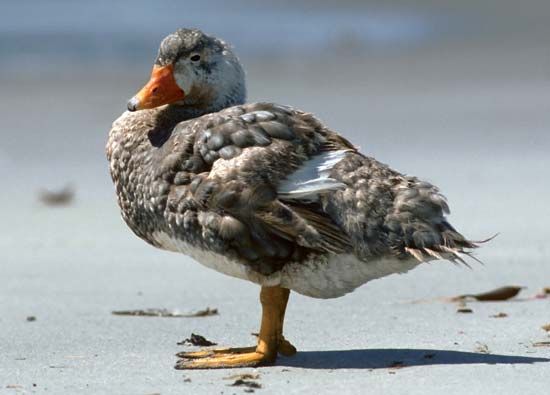
Many flightless birds evolved on isolated islands because these environments often lacked mammalian predators, making the energy-intensive adaptation of flight unnecessary for survival. When birds colonized these remote areas, they encountered few competitors and an abundance of unoccupied ecological niches, allowing them to diverge and adapt to their new surroundings through adaptive radiation.149
In the absence of predators, natural selection favored traits other than flight, such as increased body size or specialized ground-based locomotion. Over time, these birds lost the power of flight as it became an unnecessary expenditure of energy. However, this evolutionary path left them vulnerable; because they lacked the defensive capability of flight, many of these species faced rapid extinction when humans introduced predators—such as rats, dogs, and pigs—to their isolated habitats.1410
How do flightless birds defend themselves against predators?
Flightless birds have evolved various strategies to defend themselves against predators, depending largely on their environment and physical characteristics.
- Speed and Evasion: On continents where large predators are present, flightless birds such as ostriches, rheas, and emus have adapted to be rapid runners. An ostrich, for example, can reach speeds of up to 72.5 km (45 miles) per hour to escape threats.1112
- Physical Defense: When escape is not possible, some flightless birds use their size and strength to defend themselves. An ostrich, if cornered, is capable of delivering dangerous kicks to ward off carnivores.12
- Size and Camouflage: Large body size itself serves as a defense mechanism for many flightless species, helping them escape predation by mammals. Additionally, some birds utilize behavioral adaptations to avoid detection; for instance, ostriches may lie flat on the ground with their necks outstretched to blend into their surroundings and avoid being spotted by predators.1312
- Island Isolation: Many flightless birds evolved on isolated islands that historically lacked mammalian predators. In these environments, the need for defensive flight or high-speed running was reduced, allowing these birds to become heavy-bodied and slow-moving.1113
Sources
- Bird - Flightlessness — Encyclopædia Britannica
- Ratite — Encyclopædia Britannica
- Bird - Locomotion — Encyclopædia Britannica
- Flightless bird — Encyclopædia Britannica
- 11 Questions About Birds Answered — Encyclopædia Britannica
- Bird - Skeleton — Encyclopædia Britannica
- Bird - Critical appraisal — Encyclopædia Britannica
- sternum — Encyclopædia Britannica
- Columbiform - Evolution and paleontology — Encyclopædia Britannica
- evolution - Adaptive radiation — Encyclopædia Britannica
- Bird: Top Questions — Encyclopædia Britannica
- Bird - Modern birds — Encyclopædia Britannica
- Pelecaniform - Distinguishing characteristics — Encyclopædia Britannica
- conservation - Insularity — Encyclopædia Britannica
- Ostrich — Encyclopædia Britannica
- Falconiform - Flapping, soaring , and diving — Encyclopædia Britannica
- Avoidance behaviour - Fleeing and escape — Encyclopædia Britannica
Published on · 3 min read