Are There Male and Female Bell Peppers?
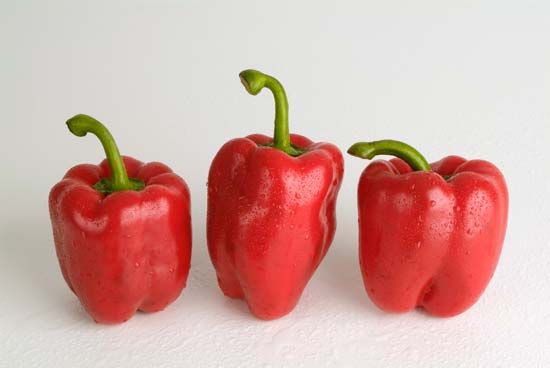
The common claim that bell peppers have a sex based on the number of lobes on their bottom is a myth. There is no such thing as a male or female bell pepper.
Are There Male and Female Bell Peppers?
The common claim that bell peppers have a sex based on the number of lobes on their bottom is a myth. There is no such thing as a male or female bell pepper.1
Why the Myth Is Incorrect
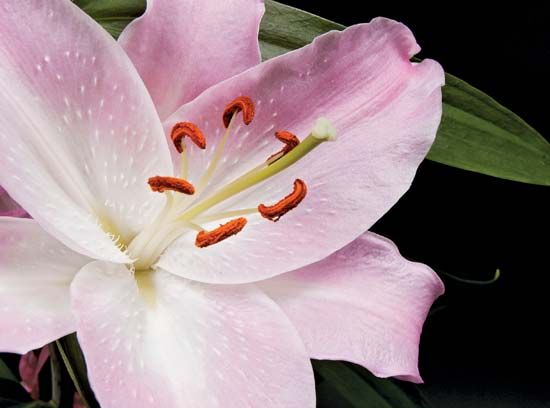
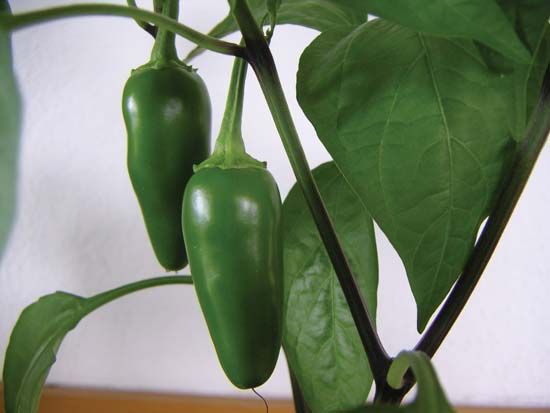
In botany, the sex of a plant refers to its reproductive structures, which are found in the flowers, not the fruit. Bell pepper plants are angiosperms that produce flowers containing both male stamens and female pistils. Because the fruit is simply the ripened ovary of the flower, it cannot be categorized as male or female.1
What Determines Lobe Number?
The number of lobes on a pepper is determined by genetics and environmental factors, such as temperature, water availability, and the success of pollination, rather than the plant’s sex. Furthermore, the sweetness of a pepper is related to its ripeness, not the number of lobes it possesses.1
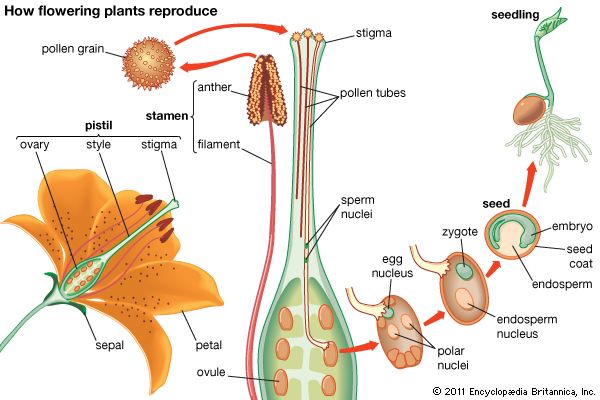
How do plants reproduce if they have both male and female parts?
Many plants are hermaphroditic (or monoecious), meaning they possess both male and female reproductive structures within the same individual. In flowering plants, these structures may exist together in a single bisexual flower, where the female pistil is surrounded by male stamens, or they may be separated into distinct male and female flowers on the same plant.234
How Fertilization Occurs
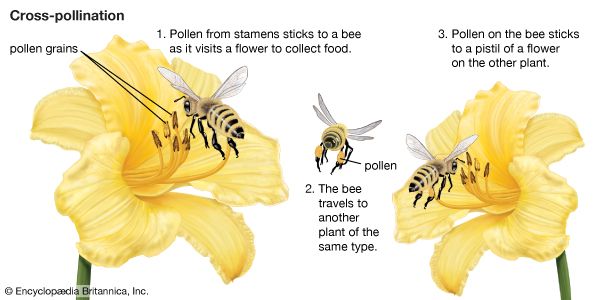
Reproduction requires the transfer of pollen—which contains sperm—from the male anthers to a receptive female stigma. This process, known as pollination, can occur in two ways:52
- Self-pollination: Pollen is transferred within the same flower or between flowers on the same plant. While this is a reliable strategy in stable environments, it often results in less genetic diversity.67
- Cross-pollination: Pollen is transferred to a different plant individual. This promotes genetic variation, which can be advantageous for species survival in changing environments.67
Mechanisms to Encourage Outbreeding
To avoid the limitations of self-fertilization, many plants have evolved mechanisms to favor cross-pollination:7
- Temporal Barriers: Known as dichogamy, this involves the stamens and pistils maturing at different times.87
- Structural Barriers: Features like heterostyly (variations in style length) physically discourage self-pollination.87
- Chemical Incompatibility: Some plants possess genetic systems that prevent pollen from germinating or growing on the stigma of the same plant.75
What factors actually determine the sweetness of a bell pepper?
The sweetness of a bell pepper is primarily determined by its stage of maturity. While green bell peppers are harvested before they reach full ripeness, those left on the plant longer will eventually develop red, yellow, or orange pigments. As the fruit ripens, it undergoes chemical changes that increase its sugar content, making the colored varieties significantly sweeter than the immature green ones.12
Beyond ripeness, the specific cultivar of the plant also plays a significant role in the flavor profile, as different varieties are bred for varying levels of sweetness and texture.12
How does the Scoville scale measure the heat of different peppers?
The Scoville scale measures the heat of chili peppers by quantifying the concentration of capsaicin, the chemical compound responsible for their spiciness. Created by Wilbur Scoville, the scale assigns a value in Scoville Heat Units (SHU) based on the amount of dilution required to neutralize the sensation of heat.13
To perform the measurement, a sample of dried, ground pepper is extracted using alcohol. This extract is then diluted in sugar water until a panel of trained testers can no longer detect any heat. The number of dilutions needed determines the SHU rating; for instance, a higher SHU indicates a higher concentration of capsaicin.13
Because this method relies on human sensory perception, it is inherently subjective and can be influenced by tester fatigue or individual sensitivity. Furthermore, capsaicin levels can vary significantly within the same pepper type due to genetic differences and growing conditions. Despite these limitations, the scale remains a useful, linear tool for comparing the relative heat of different pepper varieties.13
Sources
- Are There Male and Female Bell Peppers? — Encyclopædia Britannica
- Pollination - Mechanisms that permit self-pollination — Encyclopædia Britannica
- Stamen — Encyclopædia Britannica
- Pollination - Structural — Encyclopædia Britannica
- Pollination - Types: self-pollination and cross-pollination — Encyclopædia Britannica
- Cross-pollination — Encyclopædia Britannica
- Angiosperm - Pollination — Encyclopædia Britannica
- Plant reproductive system - Variations in reproductive cycles — Encyclopædia Britannica
- sexual reproduction — Encyclopædia Britannica
- Do Plants Have Sexes? — Encyclopædia Britannica
- monoecious — Merriam-Webster
- bell pepper — Encyclopædia Britannica
- Scoville scale — Encyclopædia Britannica
Published on · 3 min read