Do Plants Have Sexes?
Yes, plants have male and female reproductive parts, though their organization varies significantly across the plant kingdom. In plants, male structures…
Do Plants Have Sexes?
Yes, plants have male and female reproductive parts, though their organization varies significantly across the plant kingdom. In plants, male structures produce pollen (containing sperm), while female structures contain ovaries (containing eggs).12
Plants are categorized by how these structures are distributed:
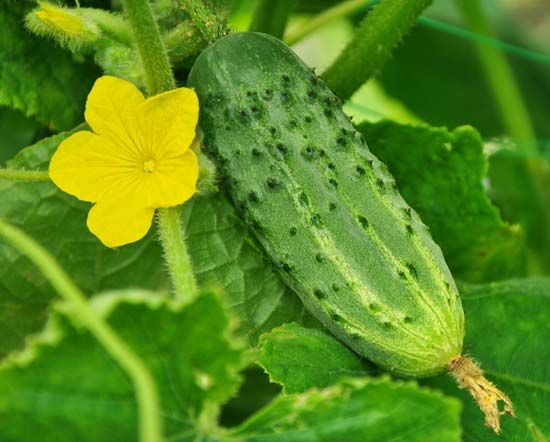
- Monoecious (Bisexual/Hermaphroditic): Most plants are monoecious, meaning a single individual produces both male and female parts. This can occur within a single “perfect” flower containing both stamens and carpels, or through separate male and female flowers on the same plant (e.g., corn and squashes).123
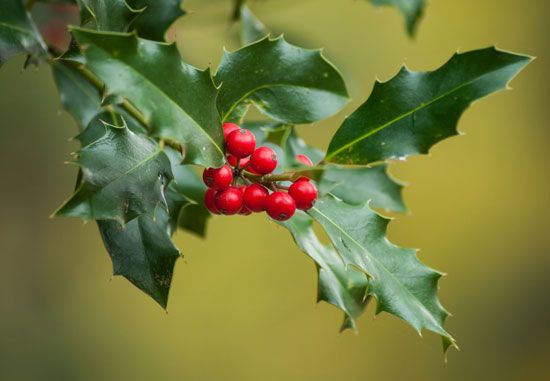
- Dioecious (Unisexual): Some species are dioecious, meaning individual plants are strictly male or female. Examples include ginkgo, kiwi, and cannabis. This strategy ensures genetic outcrossing by requiring two separate individuals for reproduction.12
Even in bisexual plants, many species have evolved mechanisms like dichogamy or heterostyly to prevent self-fertilization and encourage cross-pollination.4
How do pollinators like bees help plants reproduce?
Bees are the most significant insect pollinators, playing a vital role in the reproduction of flowering plants and the formation of seeds and fruits. Their contribution to plant life is a result of a long-standing coevolutionary relationship.76
How Bees Facilitate Reproduction
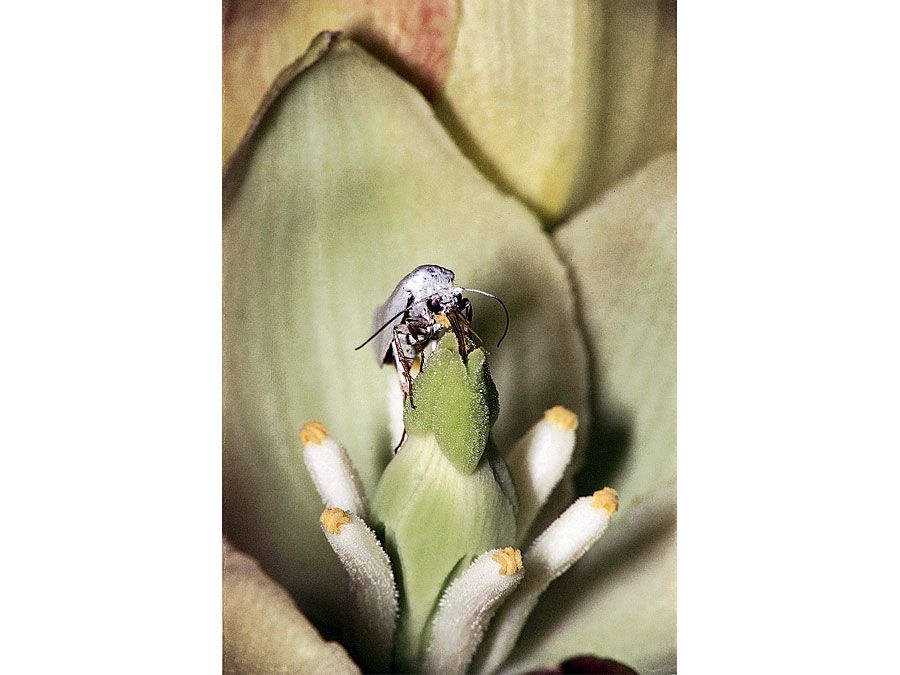
Bees typically visit flowers to feed on nectar or collect pollen for food. As they land on a flower—often guided by specific colors, patterns, or ultraviolet markings—they brush against the stamens, picking up pollen grains on their bodies. When the bee moves to another flower of the same species, it deposits this pollen onto the stigma, the receptive surface of the pistil.768
This transfer is essential for cross-pollination, which allows plants to combine genetic traits from different parents, resulting in more varied and resilient offspring. Once the pollen lands on the stigma, it germinates and grows a pollen tube down to the ovule, where fertilization occurs.697
What is the difference between self-pollination and cross-pollination?
The primary difference between self-pollination and cross-pollination lies in the source of the pollen used to fertilize a plant’s egg cells.
Self-Pollination (Autogamy)
In self-pollination, an egg cell is fertilized by pollen produced by the same flower or by another flower on the same individual plant. While this process is a reliable reproductive strategy in stable environments or when pollinators are scarce, it results in offspring that are genetically uniform (homozygous). Because it limits genetic diversity, self-pollination is often considered an evolutionary “cul-de-sac” that may leave a species less capable of adapting to environmental changes.11101213
Cross-Pollination (Heterogamy)
Cross-pollination occurs when pollen is transferred from the flower of one plant to the flower of a different plant individual. This process facilitates outbreeding, allowing the resulting seeds to combine the hereditary traits of two distinct parents. The increased genetic variability produced through cross-pollination provides a significant evolutionary advantage, as it enhances the likelihood that some offspring will be able to survive and adapt to changing environmental conditions. Additionally, cross-pollination often results in higher yields and better-quality seeds compared to self-pollination.111013
Why do some plants produce both male and female structures on the same flower?
Plants that produce both male and female structures within a single flower are known as perfect or bisexual flowers. This arrangement is a common feature in many angiosperms, including familiar crops like tomatoes, apples, and roses.41
The primary function of this structure is to facilitate the reproduction of the species by ensuring that the essential organs—the stamens (male) and pistils (female)—are positioned to allow for pollination. While having both parts in one flower allows for self-pollination, many plants have evolved mechanisms to prevent self-fertilization, such as:4
- Dichogamy: The male and female parts mature at different times.1014
- Heterostyly: Variations in the length of the style and stamens, as seen in primroses, which encourage cross-pollination by animal visitors.1014
- Chemical self-incompatibility: Genetic barriers that prevent pollen from fertilizing an egg on the same plant.14
Sources
- Do Plants Have Sexes? — Encyclopædia Britannica
- Angiosperm - General features — Encyclopædia Britannica
- sexual reproduction — Encyclopædia Britannica
- Pollination - Structural — Encyclopædia Britannica
- Plant reproductive system - The plant basis — Encyclopædia Britannica
- Pollination — Encyclopædia Britannica
- Angiosperm - Pollination — Encyclopædia Britannica
- Major types of pollinators — Encyclopædia Britannica
- Why are bees important? — Encyclopædia Britannica
- Cross-pollination — Encyclopædia Britannica
- Pollination - Types: self-pollination and cross-pollination — Encyclopædia Britannica
- Pollination - Mechanisms that permit self-pollination — Encyclopædia Britannica
- Plant breeding - Mating systems — Encyclopædia Britannica
- Flower — Encyclopædia Britannica
- monoecious — Merriam-Webster
Published on · 3 min read