Brandberg
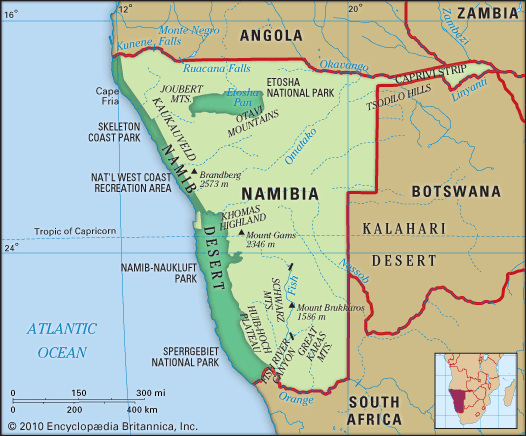
Brandberg is a prominent granite massif located in the north-central Namib Desert and stands as one of the highest mountains in Namibia.
What is Brandberg?
Brandberg is a prominent granite massif located in the north-central Namib Desert and stands as one of the highest mountains in Namibia.1
Its highest peak, Königstein, serves as the country’s highest point, reaching an elevation of over 8,200 feet (2,500 metres). The mountain is internationally recognized for its significant collection of prehistoric rock art, which includes both carvings and paintings; the most famous of these is the “White Lady” painting. Beyond its cultural importance, the massif is noted for its rich biodiversity and the presence of numerous endemic species. Additionally, the region is economically linked to nearby Uis, where large tin deposits have been discovered.1
What makes the Namib Desert unique?
The Namib is a unique, cool coastal desert stretching 1,200 miles along the Atlantic coast of Africa. Its distinctiveness is defined by several key factors:2
- Fog-Dependent Ecosystem: The Namib Sand Sea is the only coastal desert in the world featuring extensive dune fields influenced by fog. This fog serves as the primary water source for the region, allowing endemic invertebrates, reptiles, and mammals to thrive in an otherwise arid environment.3
- Massive Sand Dunes: The region contains some of the world’s largest sand dunes, reaching heights of up to 1,065 feet. These dunes, often orangish-red due to iron oxide coatings, include complex star dunes shaped by winds blowing from multiple directions.3
- Diverse Physiography: The desert transitions from a smooth bedrock platform near the coast to rugged mountains and vast dune fields inland. It is divided into three distinct north-south strips: the coastal region, the Outer Namib, and the Inner Namib.45
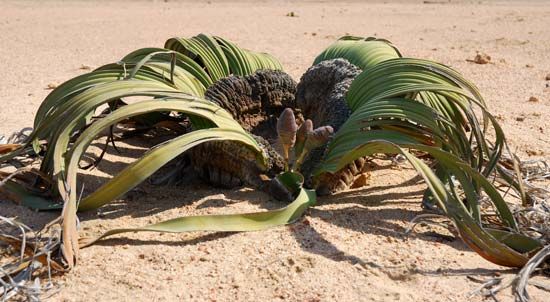
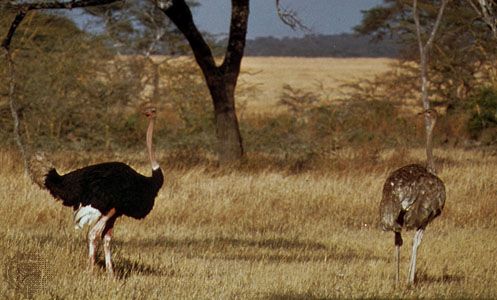
- Unique Flora and Fauna: The desert supports specialized life, such as the Welwitschia mirabilis, and provides habitats for gemsboks, ostriches, and various marine birds along the shore.367
How do rock paintings help us understand ancient cultures?
Rock art—which includes pictographs, petroglyphs, and engravings—serves as a vital visual language that allows us to interpret the lives of ancient peoples. By documenting daily activities, these works provide rare insights into prehistoric existence, ranging from hunting techniques and food gathering to social structures and human intimacy.89
Key ways rock art informs our understanding of ancient cultures include:
- Documenting Daily Life: Paintings often depict group dances, hunting scenes, and domestic tasks, such as harvesting honey or using nets, which reveal the tools and survival strategies of the time.910
- Social and Cultural Roles: Figures can indicate gender roles and status; for example, some researchers interpret the size and placement of feminine figures as evidence of women’s active roles in leadership and hunting.9
- Spiritual and Symbolic Expression: Many images are believed to be connected to prehistoric religion, shamanic rituals, or myths. Dynamic, contorted figures may represent trance states or ceremonial dances.89
- Environmental Interaction: Depictions of local fauna, such as capybaras or bison, illustrate the interconnected relationship between early humans and their surrounding ecosystems.911
What are endemic species and why are they important?
An endemic species is any organism whose geographic range is confined to a specific area, meaning it is found nowhere else in the world. While some species inhabit vast regions, others may be restricted to a single lake or mountain range.12
Why Endemic Species Are Important
Endemic species are critical indicators of biodiversity and ecosystem health. Their importance lies in several key areas:
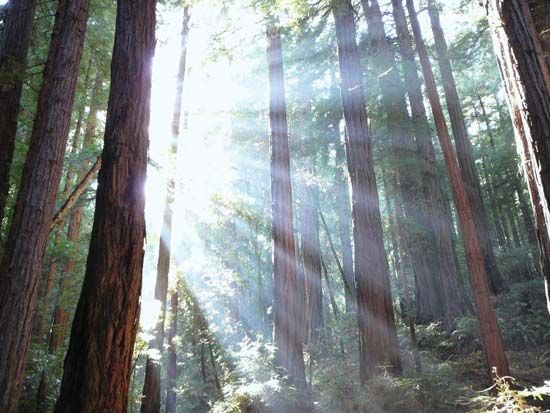
- Evolutionary Significance: Many endemics are highly specialized, having evolved unique adaptations to survive in isolated habitats. Some are “paleoendemics” (relict species), representing the last surviving members of their genera, such as the coast redwood.12
- Conservation Focus: Because they are restricted to specific locations, endemics are disproportionately vulnerable to extinction. Areas with high concentrations of endemics are often the primary sites of human-caused extinctions; therefore, protecting these species is essential for preventing global biodiversity loss.1213
- Ecosystem Stability: Diverse communities, particularly those rich in indigenous and endemic species, demonstrate greater resilience to environmental disturbances and drought.14
Sources
- Brandberg — Encyclopædia Britannica
- Sossusvlei — Encyclopædia Britannica
- Namib - Physiography — Encyclopædia Britannica
- Namib - Plant life — Encyclopædia Britannica
- Namib - Animal life — Encyclopædia Britannica
- Namib — Encyclopædia Britannica
- Namib - Physical features — Encyclopædia Britannica
- Rock art — Encyclopædia Britannica
- Can you interpret this ancient rock art? — Encyclopædia Britannica
- Altamira — Encyclopædia Britannica
- Rock art - Rock art in Asia — Encyclopædia Britannica
- endemic species — Encyclopædia Britannica
- community ecology - Community equilibrium and species diversity — Encyclopædia Britannica
- conservation - Endemic species — Encyclopædia Britannica
Published on · 3 min read