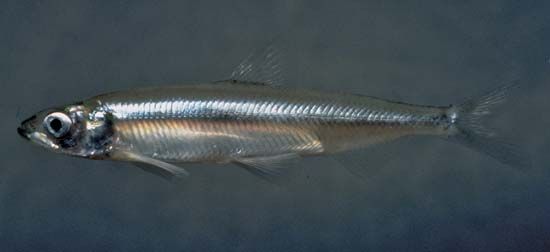
Grunion
The grunion (Leuresthes tenuis) is a small fish belonging to the family Atherinidae, typically reaching about 20 cm (8 inches) in length. Found along the…
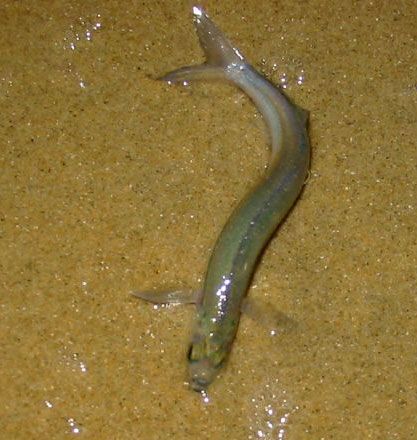
What is grunion?
The grunion (Leuresthes tenuis) is a small fish belonging to the family Atherinidae, typically reaching about 20 cm (8 inches) in length. Found along the western coast of the United States in the Pacific Ocean, the species is highly edible and well-known for its unique reproductive behavior.12
During the warm months, grunion spawn on beaches at night, specifically during the peak of a full or new moon when a spring tide occurs. The fish deposit their eggs directly into the sand. These eggs remain buried until the next spring tide, which occurs approximately two weeks later, at which point the young hatch and are carried into the ocean.1
How do tides affect marine life?
Tides exert a profound influence on marine life by creating rhythmic environmental changes that organisms must navigate to survive. The regular ebb and flow of oceans subjects seashore plants and animals to constant fluctuations in their surroundings, such as alternating periods of submergence and exposure to air.3
Many species have evolved biological rhythms to synchronize their activities with these cycles. For example, numerous shorebirds time their foraging to coincide with low tide, when beaches are exposed and food sources become accessible. In environments like tidal flats, the constant shifting of water levels creates a unique habitat where temperature, salinity, and acidity vary more widely than in other marine zones. These nutrient-rich areas support diverse communities of mobile and burrowing animals, including crabs, mollusks, and worms, which are adapted to survive the alternating conditions.34
Furthermore, the lunar cycle—which dictates the intensity of spring and neap tides—influences the reproductive cycles of many marine plants and animals, ensuring that life-cycle events are aligned with favorable environmental conditions.3
What are other examples of fish that spawn on land?
In addition to the grunion, which is well-known for spawning on sandy beaches, other fish species exhibit similar behaviors:
- Capelin (Mallotus villosus): Unlike many other species of smelt, the capelin does not enter freshwater to spawn. Instead, it lays its eggs close inshore, depositing them directly onto the wave-washed gravel of beaches.8
- Pink Salmon (Onchorhynchus gorbuscha): While most salmon are anadromous and spawn in freshwater rivers, some populations of pink salmon have been known to spawn in the intertidal zone at the mouths of small streams, effectively minimizing the freshwater stage of their life cycle.1
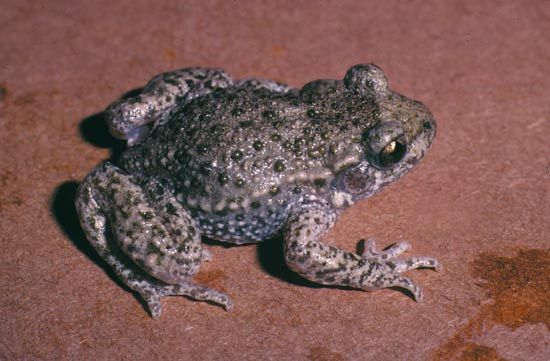
While these fish utilize coastal or intertidal zones for spawning, it is important to note that their eggs remain dependent on the aquatic environment—either through tidal inundation or proximity to water—to survive and develop. This differs from certain amphibians, such as specific frogs and toads, which can lay eggs on land and provide parental care to transport them to water later.9
Why do some fish rely on the moon for breeding?
Some fish and other marine organisms rely on lunar cycles for breeding primarily to ensure reproductive success through synchronized timing and environmental safety. By aligning their spawning with specific phases of the moon, these species can coordinate their activities to maximize the probability of fertilization and ensure that the next generation is launched when conditions are most favorable.1315
For many marine creatures, the moon serves as a reliable biological clock that helps regulate two critical functions:
- Safety while mating: Many species, such as the grunion, time their spawning to occur in darkness or during specific tidal conditions. By avoiding periods of high light, they reduce their vulnerability to predators.13
- Environmental synchronization: Lunar rhythms help organisms anticipate environmental changes, such as the high spring tides that are necessary for certain species to successfully deposit and protect their eggs.13
This coordination is often managed by internal biological clocks that adjust the organism’s rhythms to the lunar cycle rather than the sun. Whether through the release of gametes into the water or specific mating behaviors, this lunar reliance ensures that individuals of the same species are present and ready to breed at the exact same time, significantly increasing the chances of successful reproduction.131516
Sources
- grunion — Encyclopædia Britannica
- grunion — Merriam-Webster
- tide — Encyclopædia Britannica
- Biological rhythm — Encyclopædia Britannica
- What causes tides in the ccean? — Encyclopædia Britannica
- tidal flat — Encyclopædia Britannica
- Migration - Physiological stimulus of migration — Encyclopædia Britannica
- capelin — Encyclopædia Britannica
- How do fish reproduce? — Encyclopædia Britannica
- fish - Reproduction — Encyclopædia Britannica
- frog and toad - Egg laying on land — Encyclopædia Britannica
- protacanthopterygian - Life cycle and reproduction — Encyclopædia Britannica
- echinoderm - Sexual reproduction — Encyclopædia Britannica
- scorpaeniform - Reproduction — Encyclopædia Britannica
- Sex - Seasonal or periodic sexual cycles — Encyclopædia Britannica
- Animal reproductive system - Annelids and mollusks — Encyclopædia Britannica
- Bioluminescence - The role of bioluminescence in behavior — Encyclopædia Britannica
Published on · 3 min read