Sharavathi River
The Sharavathi River is a river located in the state of Karnataka, southern India. It originates in the Western Ghats and flows approximately 60 miles (100…
What is Sharavathi River?
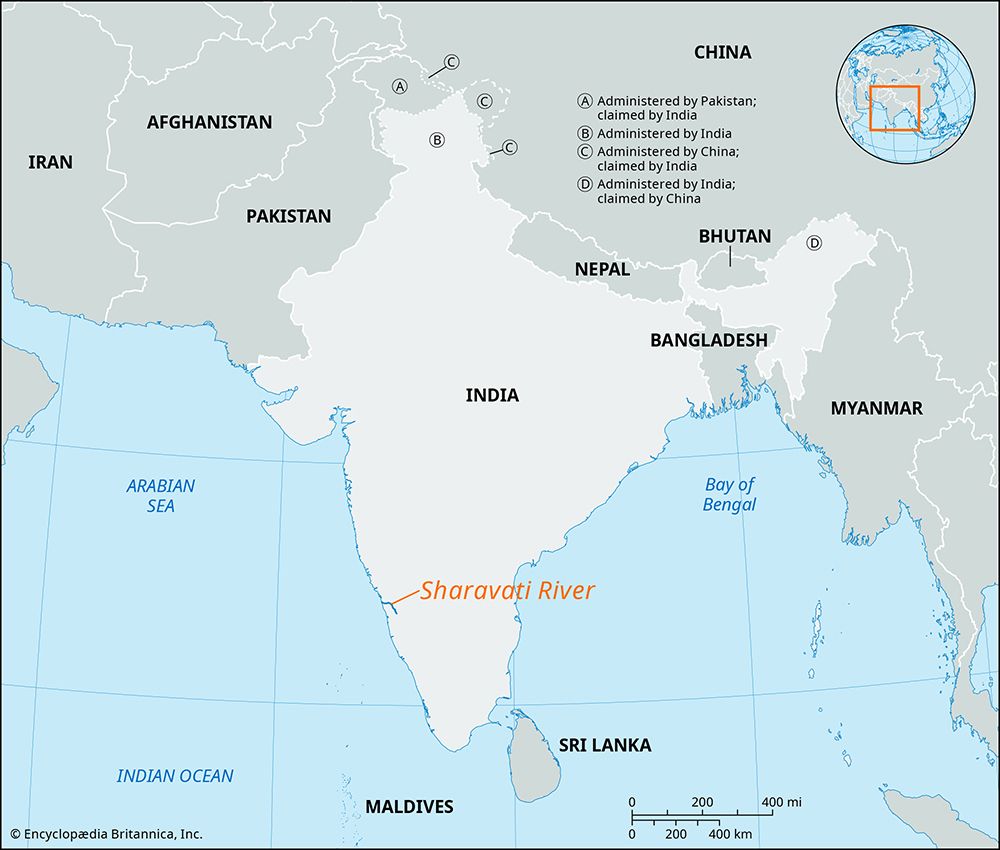
The Sharavathi River is a river located in the state of Karnataka, southern India. It originates in the Western Ghats and flows approximately 60 miles (100 km) northwest before emptying into the Arabian Sea at Honavar.1
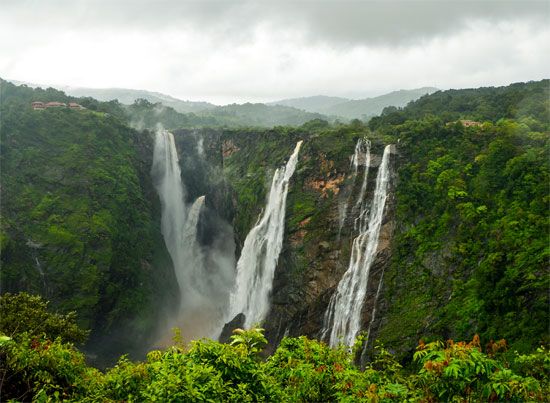
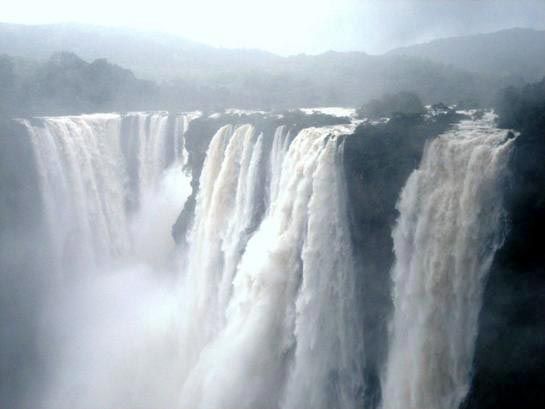
The river is most famous for the Jog Falls, where it drops 830 feet (250–253 meters) and splits into four distinct cascades: the Raja (Horseshoe), Roarer, Rocket, and Ranee (La Dame Blanche). Beyond its scenic beauty, the river is a vital source of energy; the Sharavathi Valley Project and the Mahatma Gandhi Hydroelectric Power Station are located downstream, providing a significant portion of the electricity for Karnataka.12
What are the Western Ghats and why are they important?
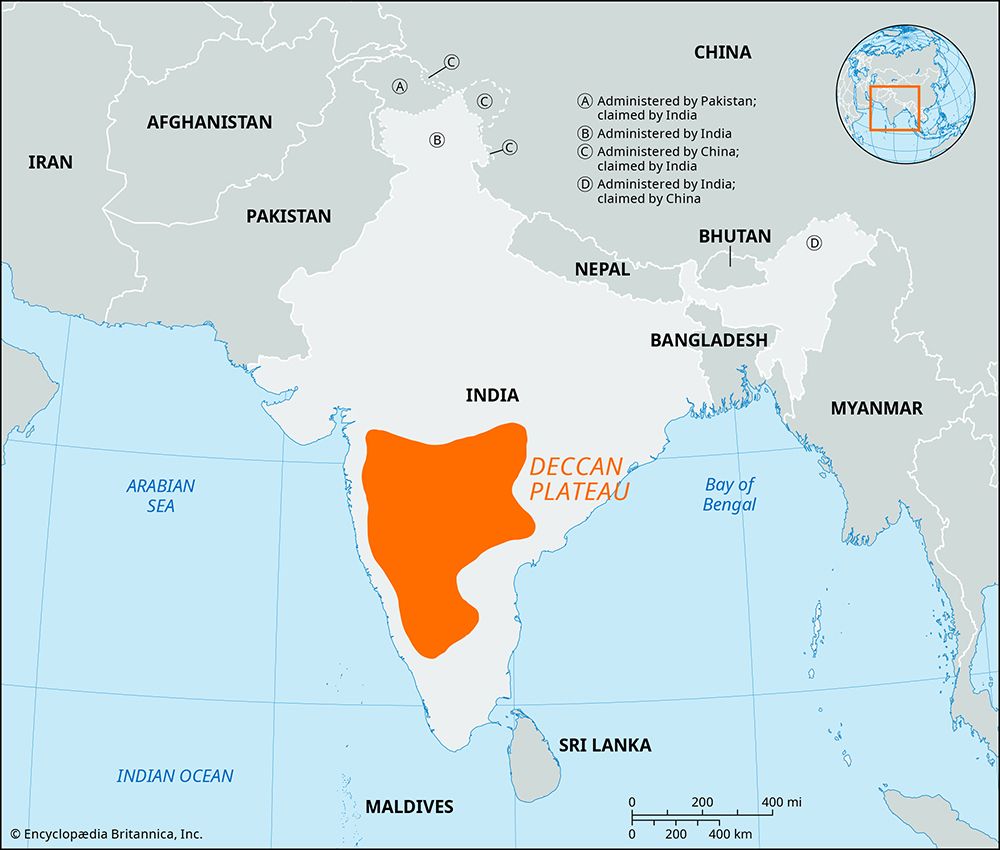
The Western Ghats are a mountain range running north–south along the western edge of India’s Deccan plateau, parallel to the Malabar Coast. Spanning several states, including Gujarat, Maharashtra, Karnataka, and Kerala, they serve as a critical geographical and ecological feature of the subcontinent.3
Why They Are Important
- Climate Regulation: The range acts as peninsular India’s principal watershed. By trapping moisture from the Arabian Sea, the mountains play a vital role in the monsoon weather pattern, creating a tropical climate on the western slopes while influencing rainfall patterns across the interior.34
- Biodiversity: Recognized as a UNESCO World Heritage site, the region is a biodiversity hot spot. It hosts over 30 percent of India’s plant, fish, bird, and mammal species, including significant populations of tigers and Asian elephants.3
- Hydrology and Energy: The range is the source of major rivers like the Krishna, Godavari, and Kaveri. These rivers are essential for water supply and have been dammed to generate electric power.34
How do hydroelectric power stations generate electricity from rivers?
Hydroelectric power stations generate electricity by converting the potential energy of stored water into mechanical energy and, ultimately, into electricity.56
The process typically involves the following steps:
- Collection: Water is impounded in a dam, which raises the water level to create a “head”—the vertical distance between the stored water and the lower elevation where the powerhouse is located.5
- Conveyance: The water is directed downward through large pipes or tunnels known as penstocks.5
- Turbine Rotation: As the water reaches the end of the penstocks, its force causes turbines to rotate.5
- Generation: These rotating turbines drive generators, which convert the mechanical energy into electrical energy.56
- Transmission: Transformers then increase the voltage of the electricity to make it suitable for long-distance transmission.5
While this process provides a renewable energy source, it can have significant environmental impacts, such as disrupting fish migration and displacing local ecosystems.75
What are some other major rivers in India?
India is home to several major river systems that are vital to its geography, agriculture, and history. Beyond the Ganges and Brahmaputra, key rivers include:
- Indus River: Historically significant for the Indus civilization, this river and its tributaries, such as the Sutlej and Beas, are essential to the agricultural productivity of the Punjab region.89
- Yamuna River: A major tributary of the Ganges, it flows roughly parallel to it and is fed by rivers like the Chambal and Betwa.10
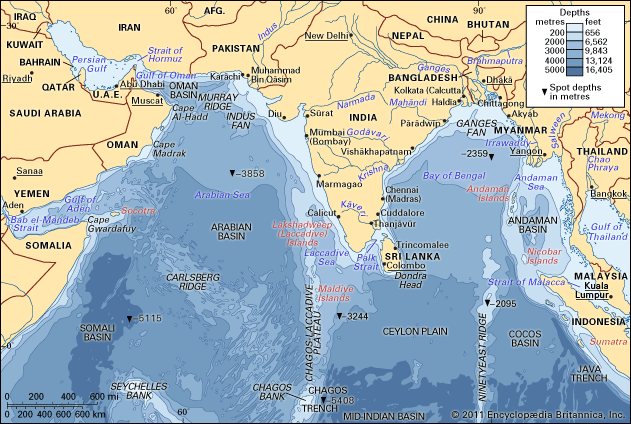
- Godavari, Krishna, and Kaveri Rivers: These are the primary rivers of the Deccan plateau. They originate in the Western Ghats and flow eastward across the peninsula into the Bay of Bengal.81112
- Narmada River: Flowing westward through a belt of hills and forests, it serves as a symbolic boundary between northern and southern India.8
- Mahanadi River: Another significant river system that drains the Deccan plateau into the Bay of Bengal.8
Sources
- Sharavathi River — Encyclopædia Britannica
- Jog Falls — Encyclopædia Britannica
- Western Ghats — Encyclopædia Britannica
- Ghats — Encyclopædia Britannica
- Did you know? — Merriam-Webster
- hydroelectric power — Encyclopædia Britannica
- potential energy — Encyclopædia Britannica
- Ganges River — Encyclopædia Britannica
- India - History of India — Encyclopædia Britannica
- India - The Ganges-Brahmaputra river system — Encyclopædia Britannica
- Ganges River - Hydroelectric power — Encyclopædia Britannica
- Rajasthan - Agriculture — Encyclopædia Britannica
- India - The Western Ghats — Encyclopædia Britannica
- Deccan — Encyclopædia Britannica
Published on · 3 min read