Ungulate
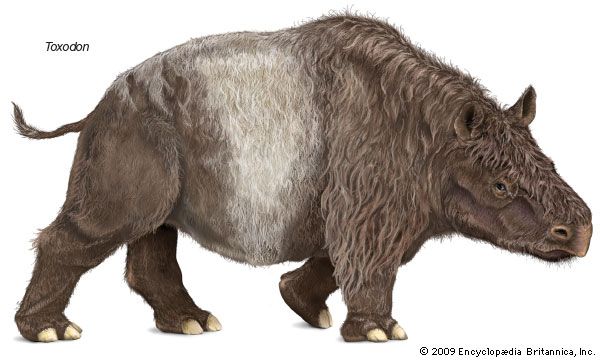
An ungulate is broadly defined as any hoofed mammal. These animals are typically categorized into two primary groups based on the number of toes on their…
What are some examples of well-known ungulate species?
An ungulate is broadly defined as any hoofed mammal. These animals are typically categorized into two primary groups based on the number of toes on their feet:
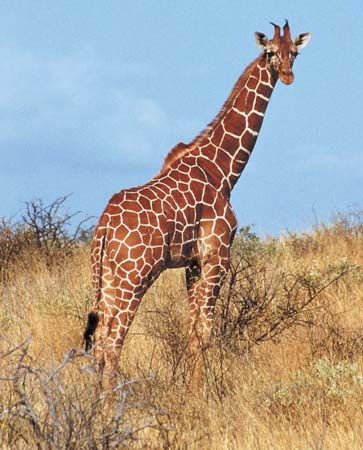
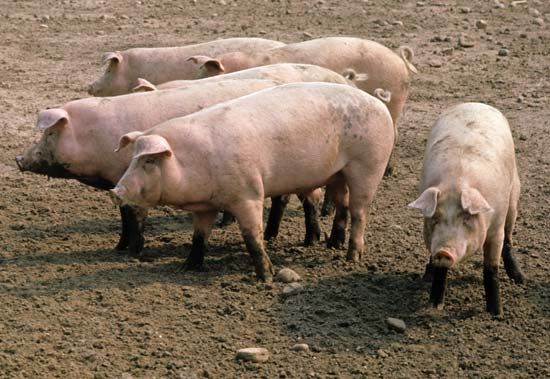
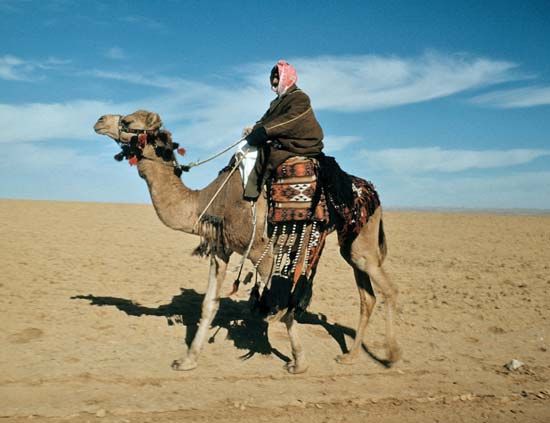
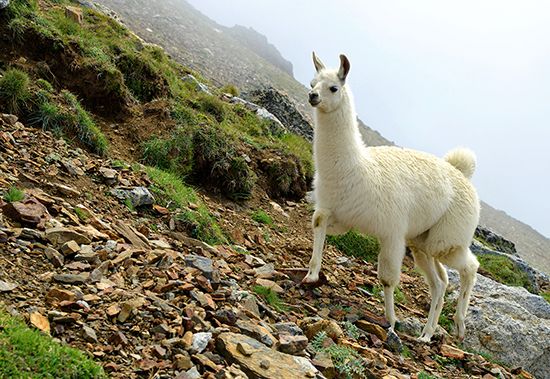
- Even-toed ungulates (Artiodactyla): This diverse order includes familiar species such as pigs, camels, deer, giraffes, hippopotamuses, sheep, goats, and cattle. Many of these are also ruminants, which possess specialized multi-chambered stomachs for digesting plant material.
- Odd-toed ungulates (Perissodactyla): This group is characterized by having either one or three hoofed toes on each hindfoot. Well-known examples include horses, zebras, tapirs, and rhinoceroses.
Additionally, some biological classifications include other groups under the umbrella of ungulates, such as elephants (order Proboscidea) and hyraxes (order Hyracoidea).
How do ungulates communicate with each other?
Ungulates communicate through a variety of complex methods, primarily utilizing chemical and visual signals to establish territories, maintain social hierarchies, and facilitate mating.89
Chemical Communication
Many ungulates, particularly antelopes, rely on scent to mark their territories. They possess specialized exocrine glands, such as the preorbital glands located near the eyes, which secrete complex chemical compounds. By pressing these glands against grass or twigs, they leave scent markers that allow other individuals to distinguish between species, identify intruders, and judge the age of the scent. Additionally, some species use fecal middens—habitual defecation sites—as both visual and olfactory markers, sometimes enhancing them with secretions from pedal glands.8
Visual and Behavioral Signaling
Visual communication is essential for social interaction and conflict resolution:
- Threat Displays: Before engaging in physical combat, many males use stylized displays to signal intent. This helps minimize lethal injury, as seen in deer and antelopes that use antlers or horns for “wrestling” rather than goring.9
- Dominance Hierarchies: In species like sheep, horn size often correlates with social rank, allowing individuals to assess dominance without unnecessary fighting.9
- Social Facilitation: In herds, the behavior of one individual can trigger collective action, such as fleeing from a predator, which serves as a vital survival mechanism.9
How have humans interacted with and utilized ungulates throughout history?
Humans have maintained a profound and multifaceted relationship with ungulates for millennia, evolving from early hunters to stewards of domesticated herds.
Historical Exploitation and Hunting
Ungulates have served as a primary resource for human survival since prehistoric times. Archaeological evidence from Olduvai Gorge indicates that humans utilized antelopes for food nearly 2 million years ago. During the Paleolithic Period, groups like the Cro-Magnon relied heavily on reindeer not only for meat but also for skins, tools, and weapons. This intimate connection often transcended utility, manifesting in prehistoric art and religious practices, such as animalism and totemism, where animals were revered as guardian spirits or divine figures.1011
Domestication and Utility
The transition to domestication marked a pivotal shift in human history. By 7000 BCE, goats and sheep were being kept in the Near East, followed by cattle and pigs. Beyond providing meat, milk, and hides, these animals became essential draft animals, powering agriculture and transport across civilizations.101213
Modern Impact and Conservation
While domestication allowed human populations to flourish, it has often come at the expense of wild ungulate populations. The expansion of agriculture, habitat destruction, and the introduction of diseases like rinderpest have significantly reduced wild stocks. Today, while some species are protected in reserves, many wild ungulates face threats from poaching and environmental pressure. We have a moral responsibility to recognize the intrinsic value of these species and prioritize sustainable conservation efforts to prevent further loss of biodiversity.141510
What are the defining characteristics of ungulates?
Ungulates are defined primarily as hoofed mammals. The defining feature that unites this diverse group is the hoof, a hard, protective covering made of the protein keratin that extends over the end of a broadened terminal digit. Because these animals walk on the tips of their toes, the hoof provides a durable surface to bear their body weight and serves as an adaptation for speed, endurance, and defense.116
Beyond this shared anatomical trait, ungulates are generally characterized as herbivorous quadrupeds. They are typically categorized into two principal groups based on the number of toes:1
- Artiodactyla: Even-toed ungulates, such as pigs, cattle, deer, and camels.116
- Perissodactyla: Odd-toed ungulates, including horses, tapirs, and rhinoceroses.116
Many ungulates, particularly ruminants, have evolved complex, multi-chambered stomachs to facilitate the digestion of cellulose found in plant matter through a process known as rumination.1718
Sources
- ungulate — Encyclopædia Britannica
- perissodactyl — Encyclopædia Britannica
- artiodactyl — Encyclopædia Britannica
- 6 Domestic Animals and Their Wild Ancestors — Encyclopædia Britannica
- ruminant — Encyclopædia Britannica
- List of Female Animals Called Cows — Encyclopædia Britannica
- deer - Old World deer — Encyclopædia Britannica
- Chemoreception - Territorial behavior — Encyclopædia Britannica
- artiodactyl - Social behaviour — Encyclopædia Britannica
- artiodactyl - Importance to humans — Encyclopædia Britannica
- Africa - The effects of humans — Encyclopædia Britannica
- bovid - Natural history — Encyclopædia Britannica
- Draft animal — Encyclopædia Britannica
- Origins of agriculture - Sumer — Encyclopædia Britannica
- prehistoric religion - Hunting rites and animal cults — Encyclopædia Britannica
- hoof — Encyclopædia Britannica
- artiodactyl - Annotated classification — Encyclopædia Britannica
- artiodactyl - Digestive system — Encyclopædia Britannica
Published on · 3 min read