What Happens to Earth If the Amazon Rainforest Is Completely Burned?
Contrary to the popular belief that the Amazon Rainforest is the "lungs of the planet" responsible for 20 percent of Earth's oxygen, its destruction would…
What Happens to Earth If the Amazon Rainforest Is Completely Burned?
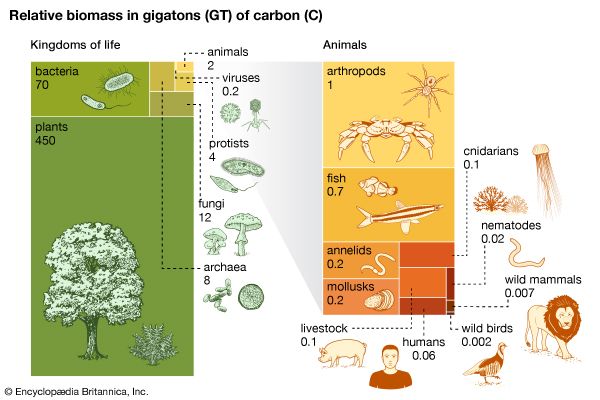
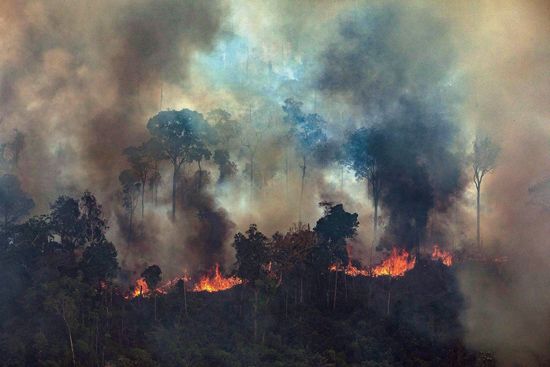
Contrary to the popular belief that the Amazon Rainforest is the “lungs of the planet” responsible for 20 percent of Earth’s oxygen, its destruction would not significantly deplete the global oxygen supply. While plants produce oxygen through photosynthesis, they also consume it during respiration and decomposition; the net contribution of forests to atmospheric oxygen is negligible compared to marine algae, which are the primary drivers of Earth’s oxygen levels.1
However, the complete burning of the Amazon would have catastrophic consequences:
- Climate Change: The combustion would release massive amounts of stored carbon into the atmosphere as carbon dioxide, significantly accelerating global warming.12
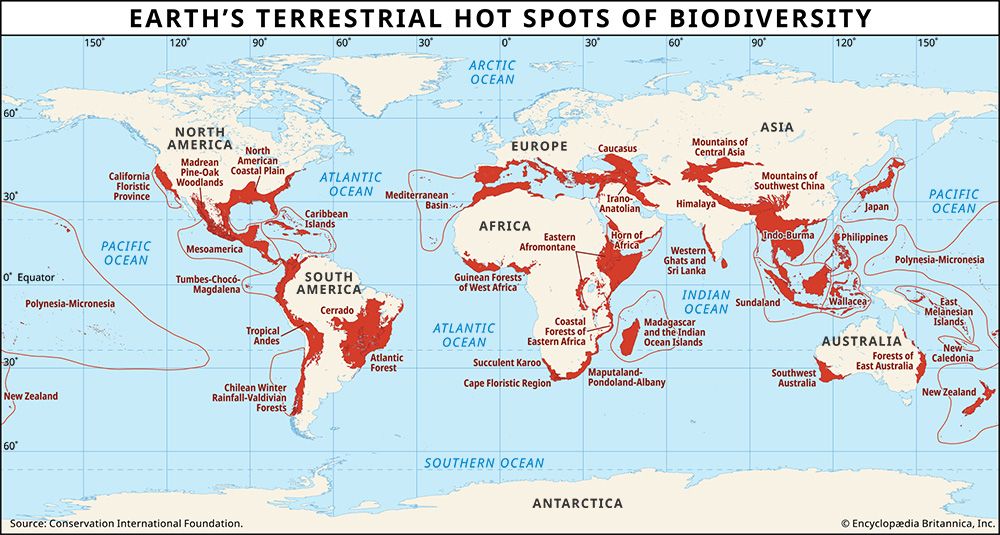
- Biodiversity Loss: The Amazon is a biodiversity hot spot housing millions of species. Its destruction would lead to mass extinction, including many species not yet identified by science.13
- Ecosystem Collapse: The region would likely transition from a dense rainforest to a savanna, disrupting regional water cycles and causing severe droughts and flooding.13
How do marine algae contribute more to Earth’s oxygen than rainforests?
Marine algae are the primary drivers of Earth’s oxygen levels because of how they interact with the environment compared to terrestrial plants. While both rainforests and algae produce oxygen through photosynthesis, the net contribution of land-based forests is limited because they consume nearly as much oxygen through respiration and decomposition as they produce during their lifetimes.45
The distinction lies in the fate of these organisms after death:
- Terrestrial Decomposition: When trees and other land plants die, they decompose on land, a process that consumes oxygen and releases the carbon dioxide they previously sequestered carbon dioxide they previously sequestered. This creates a roughly 1:1 ratio of oxygen production to consumption, meaning forests are not significant net oxygen producers.4
- Marine Carbon Sequestration: Phytoplankton and other marine algae behave differently. When they die, they often sink to the ocean floor. Because they frequently fall below the ocean’s oxygenated layers before they can fully decompose, the carbon stored in their bodies is effectively removed from the cycle for long periods. By not decomposing at the surface, they do not draw back the oxygen they released during their lives, resulting in a net gain of oxygen for the atmosphere.14
It is estimated that marine algae are responsible for replacing approximately 90 percent of all oxygen used on the planet.5
What is the difference between carbon sequestration and carbon emission?
Carbon sequestration and carbon emission represent opposite processes in the global carbon cycle, fundamentally differing in how they affect the concentration of carbon dioxide in the atmosphere.
Carbon Emission
Carbon emission refers to the release of carbon—typically in the form of carbon dioxide—into the atmosphere. This occurs through both natural and human-driven activities:
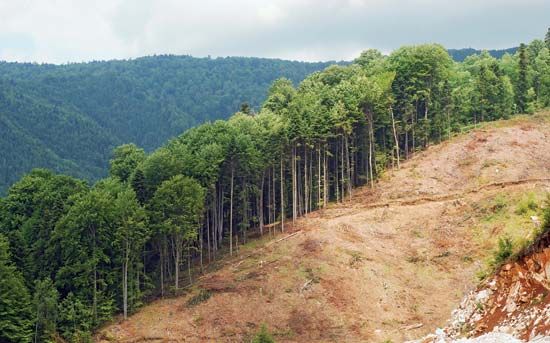
- Anthropogenic Sources: The primary driver of increased atmospheric carbon is human activity, specifically the burning of fossil fuels (such as coal, oil, and natural gas) for energy, transportation, and industrial processes like cement production. Deforestation and land clearing also contribute significantly to emissions by releasing carbon stored in vegetation.910
- Natural Sources: Carbon is released naturally through the respiration of living organisms, the decomposition of organic matter, and volcanic outgassing.10
Carbon Sequestration
Carbon sequestration is the process of capturing carbon dioxide and storing it in carbon sinks to prevent it from remaining in the atmosphere.119
- Natural Sequestration: This occurs through biological and physical processes. For example, plants and trees absorb carbon dioxide during photosynthesis, storing it in their biomass and in the soil. The oceans also act as massive sinks, absorbing carbon through solubility and biological processes where marine organisms transport carbon to the deep ocean floor.910
- Artificial Sequestration: Technologies such as carbon capture and storage (CCS) involve separating carbon dioxide from industrial emissions, compressing it, and injecting it into stable geologic formations, such as depleted oil and gas reservoirs, for long-term isolation.119
In essence, while emissions add to the atmospheric carbon load that drives global warming, sequestration acts as a counterbalance by removing carbon from circulation and storing it safely away.119
How does habitat fragmentation specifically impact animal migration and survival?
Habitat fragmentation occurs when large, continuous ecosystems are subdivided into smaller, isolated patches. This process significantly impacts animal migration and survival in several critical ways:
- Increased Mortality Risks: As the distance between habitat patches grows, animals attempting to move between them face heightened dangers. They are more likely to encounter predators, be struck by vehicles, or perish while traversing “matrix” areas—the inhospitable regions separating the patches—where they may be exposed to harsh conditions for too long.13
- Isolation and Population Viability: Fragmentation can isolate populations, preventing individuals from reaching necessary resources or mates. When patches become too small to support a viable population, species face increased demographic risks and the dangers of inbreeding.1314
- Reproductive Barriers: For many species, fragmentation hinders reproduction by reducing the probability that males and females of reproductive age will successfully meet. This is particularly challenging for immobile species or those unable to navigate the fragmented landscape.13
To mitigate these effects, conservationists often implement wildlife corridors, which reconnect isolated fragments and allow for safer movement and genetic exchange between populations.14
Sources
- What Happens to Earth If the Amazon Rainforest Is Completely Burned? — Encyclopædia Britannica
- Deforestation - Effects — Encyclopædia Britannica
- Why are rainforests so important? — Encyclopædia Britannica
- decarbonization - Natural carbon removal — Encyclopædia Britannica
- plankton — Encyclopædia Britannica
- Marine ecosystem - Benthos — Encyclopædia Britannica
- Oxygen cycle — Encyclopædia Britannica
- primary productivity — Encyclopædia Britannica
- carbon sequestration — Merriam-Webster
- Carbon sequestration — Encyclopædia Britannica
- Greenhouse gas - Carbon dioxide — Encyclopædia Britannica
- evolution of the atmosphere - Interaction of biological and geologic cycles — Encyclopædia Britannica
- habitat loss — Encyclopædia Britannica
- conservation - Habitat connections — Encyclopædia Britannica
Published on · 4 min read