Why Do Cats Open Their Mouths After Smelling Something?
When a cat opens its mouth after smelling something, it is performing a behavior known as the flehmen response. This action, which often looks like a grimace…
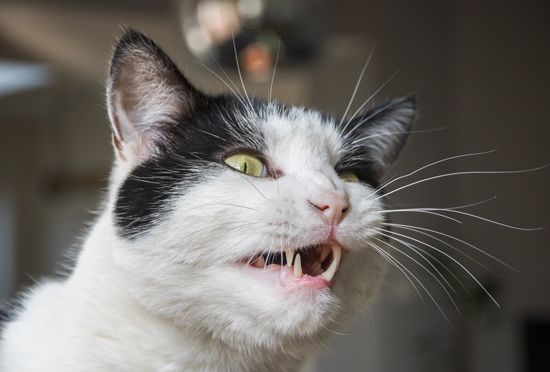
Why do cats open their mouths after smelling something?
When a cat opens its mouth after smelling something, it is performing a behavior known as the flehmen response. This action, which often looks like a grimace or a sneer, is not a reaction to a bad odor but rather a sophisticated way of gathering detailed environmental information.12
By curling back their lips and opening their mouths, cats lift a flap behind their incisors to direct scent molecules toward the Jacobson’s organ—also called the vomeronasal organ—located on the roof of the mouth. This specialized structure is distinct from the primary olfactory senses used for regular breathing.12
The Jacobson’s organ is highly sensitive to pheromones and other chemical signals, providing the cat with nuanced data about territorial boundaries, mating status, and social cues. This sensory process acts as a bridge between taste and smell, allowing the animal to process chemical information that is vital for understanding its surroundings.12
What other animals besides cats exhibit the flehmen response?
The flehmen response is a behavior observed in many mammals that allows them to direct scent molecules toward the vomeronasal organ (or Jacobson’s organ) for more detailed chemical analysis. While cats are well-known for this “grimace,” the behavior is common among a wide variety of other animals.123
Animals that exhibit the flehmen response include:
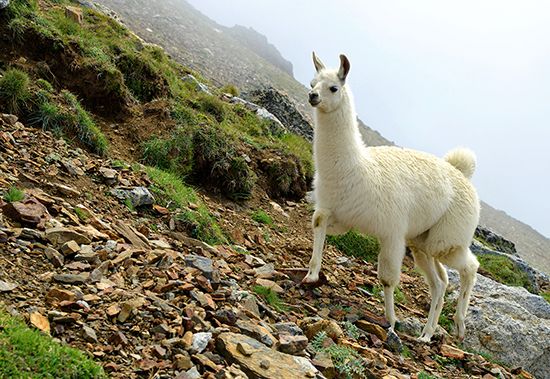
- Ungulates: This group includes horses, antelope, cattle, sheep, goats, pigs, giraffes, and llamas.23
- Other Mammals: Elephants and bats are also known to perform this action to investigate their surroundings.23
It is important to note that while other animals like snakes and lizards also rely on the vomeronasal organ to process chemical information, they do not perform the flehmen response. Instead, they use their tongues to transport scent molecules to the organ, as their vomeronasal structures are isolated from the nasal cavity and accessed via the mouth. Conversely, some animals, such as birds and great apes, lack these organs entirely.2
How do pheromones influence animal behavior and social interactions?
Pheromones are endogenous chemicals secreted by organisms to elicit specific reactions from other members of the same species. These chemical signals are fundamental to animal communication, influencing a wide range of social interactions and physiological processes.42
Types and Functions
Pheromones are generally categorized by how they affect the recipient:2
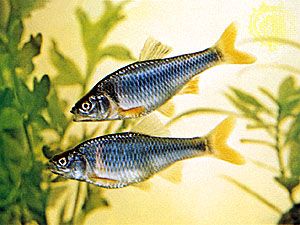
- Releaser Pheromones: These trigger an immediate behavioral response. They are essential for aggregation, sexual attraction, and alarm signaling. For example, ants lay scent trails to guide colony members to food, while wounded minnows release chemicals to warn others of danger.42
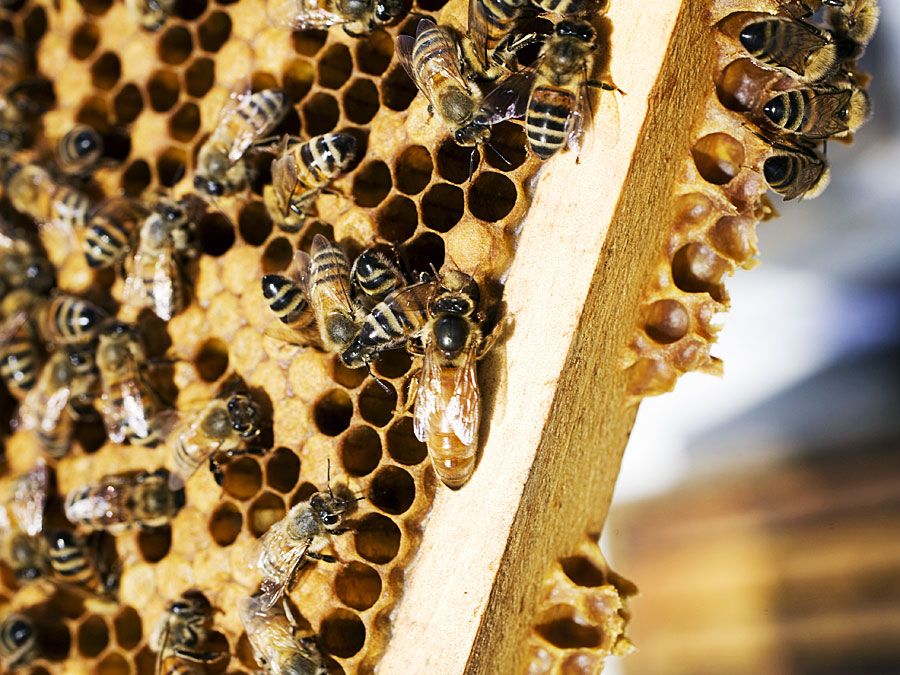
- Primer Pheromones: These influence the recipient’s physiology, leading to behavioral changes over time. In mammals, they can coordinate reproductive cycles, such as influencing ovulation in mice based on the presence of dominant males. In social insects like honeybees, the queen secretes substances that regulate the behavior and reproductive development of the entire colony.52
Communication and Specificity
To be effective, pheromones must balance volatility—to travel through the environment—with specificity, ensuring they only signal the intended recipients. Animals often use complex mixtures of compounds to achieve this, allowing for individual or species-specific recognition. While many vertebrates use the vomeronasal organ to detect these signals, the primary olfactory system also plays a significant role in pheromone perception.26
Do humans have a functional vomeronasal organ?
In humans, the vomeronasal organ—also known as Jacobson’s organ—is considered a vestigial remnant. While it is present in most, if not all, human adults as a small, blind tube or pit near the front of the nasal septum, it does not function as a sensory organ in the way it does in many other vertebrates.278
During human embryonic development, the organ begins to form as a well-marked tube, but it does not maintain a functional role in adulthood. In contrast to animals that use the organ for pheromone perception and the detection of chemical signals related to mating or territoriality, there is no known function for the vomeronasal organ in humans, and it is widely regarded as entirely atavistic. Humans, like other microsmatic primates, rely primarily on vision and touch for orientation rather than the specialized chemical sensing provided by a functional vomeronasal system.729
Sources
- Why do cats open their mouths after smelling something? — Encyclopædia Britannica
- Chemoreception - Terrestrial vertebrates — Encyclopædia Britannica
- Sit, Shake, Pronk: 8 Words for Quirky Animal Behaviors | Flehmen — Merriam-Webster
- pheromone — Encyclopædia Britannica
- Chemoreception - Primer pheromones — Encyclopædia Britannica
- Chemoreception - Pheromones — Encyclopædia Britannica
- Jacobson’s organ — Encyclopædia Britannica
- olfactory system — Encyclopædia Britannica
- vomeronasal organ — Merriam-Webster
Published on · 3 min read