Devon Island
Devon Island is the largest of the Parry Islands, located in Nunavut, Canada. Situated in the Arctic Ocean, it lies south of Ellesmere Island and west of…
What is Devon Island?
Devon Island is the largest of the Parry Islands, located in Nunavut, Canada. Situated in the Arctic Ocean, it lies south of Ellesmere Island and west of Baffin Bay.12
The island spans approximately 320 miles (515 km) in length and covers an area of 21,331 square miles (55,247 square km). It is primarily an ice-covered plateau, with elevations rising from about 2,000 feet (600 meters) in the west to a maximum of 6,300 feet (1,920 meters) in the east. Its southern coastline is characterized by fjordlike inlets, and the Grinnell Peninsula extends to the northwest.1
Discovered by William Baffin in 1616, the island was formerly known as North Devon. It should not be confused with the county of Devon in England.13
Why is Devon Island often compared to the planet Mars?
What kind of wildlife can survive in the harsh Arctic climate of Devon Island?
Devon Island, located in the high Arctic, features a harsh climate that supports a specialized range of wildlife adapted to extreme cold and limited resources. Because the island lacks frost-free refuges, non-migratory, warm-blooded animals must remain active throughout the winter, as true hibernation is not possible in this environment.4
Key wildlife found in the Arctic regions of Canada, including the high Arctic islands, include:
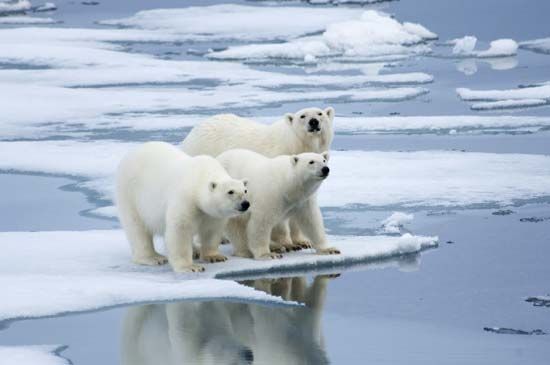
- Mammals: The musk ox is a notable resident of the high Arctic islands; these stocky ruminants are highly adapted for energy conservation in cold weather. Other terrestrial mammals include polar bears, caribou, Arctic wolves, Arctic foxes, Arctic hares, and lemmings.54
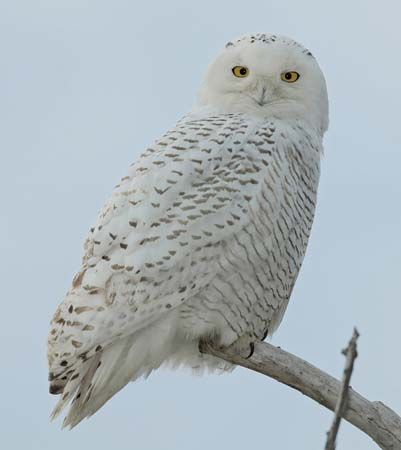
- Birds: While many Arctic birds are migratory, the snowy owl and ptarmigan are year-round residents. Ptarmigan are particularly well-adapted, possessing heavily feathered feet for insulation against snow and ice.46
- Invertebrates: The island supports various insects and even certain species of spiders that are capable of overwintering in the high Arctic.4
How do scientists conduct research in such an isolated and uninhabited environment?
Conducting research in isolated and uninhabited Arctic environments like Devon Island requires sophisticated logistical planning and specialized technology. Historically, exploration relied on arduous overland journeys, living off the land, or utilizing ships to establish temporary camps. Today, modern scientific research in such remote regions is facilitated by several key methods:1
- Logistical Support: Research often depends on established logistics hubs that manage the transport of personnel, food, and equipment via aircraft and icebreakers.11
- Technological Advancements: The use of aircraft has revolutionized access, allowing for photo surveys, rapid transport, and the establishment of remote field stations.12
- Floating and Temporary Stations: Scientists frequently utilize temporary stations on sea ice or floating platforms. These stations are strategically positioned to drift with ice currents, enabling researchers to study specific seabed features or oceanographic conditions over extended periods.12
- Self-Sufficiency: Because these areas are not self-sustaining, stations must manage their own power—often through diesel generators or wind turbines—as well as water production via desalination and comprehensive waste management systems.11
Sources
- Devon Island — Encyclopædia Britannica
- Devon Island — Merriam-Webster
- Devon — Encyclopædia Britannica
- Newfoundland and Labrador - Plant and animal life — Encyclopædia Britannica
- musk ox — Encyclopædia Britannica
- Devonian Period - Plants — Encyclopædia Britannica
- Baffin Bay — Encyclopædia Britannica
- Arctic - Animals of the land and fresh water — Encyclopædia Britannica
- Tundra - Birds — Encyclopædia Britannica
- Devonian Period - Devonian life — Encyclopædia Britannica
- Arctic - The North American Arctic — Encyclopædia Britannica
- Arctic - The Arctic Ocean — Encyclopædia Britannica
- McMurdo Station — Encyclopædia Britannica
Published on · 2 min read