Okefenokee Swamp
The Okefenokee Swamp serves as a vital site for scientific research and education, primarily due to its status as one of the largest intact freshwater…
How does the Okefenokee Swamp contribute to scientific research and education?
The Okefenokee Swamp serves as a vital site for scientific research and education, primarily due to its status as one of the largest intact freshwater wetlands in North America1.
Its scientific contributions include:
- Environmental Monitoring: The swamp contains ancient, undisturbed peat deposits that function as significant carbon sinks. These deposits provide researchers with essential data regarding historical and ongoing environmental change.1
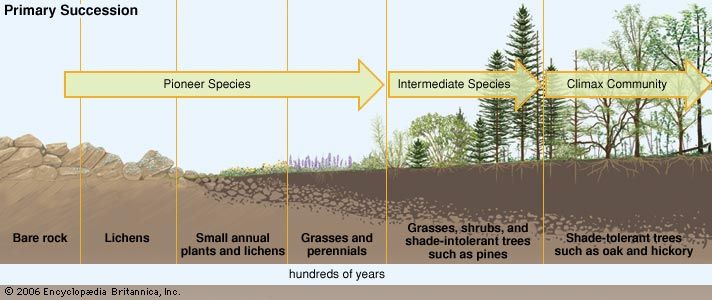
- Ecological Laboratory: As a wetland, the Okefenokee acts as a testing ground for broader ecological theories, such as succession and energy flow. It offers a unique environment to study transition zones (ecotones), species assembly, and pulse stability, which are often difficult to observe in purely terrestrial or aquatic systems.23
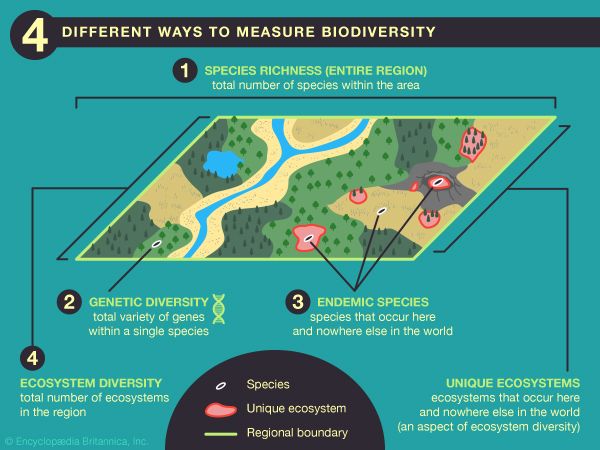
- Biodiversity Studies: The refuge supports exceptional biodiversity, including numerous threatened or endangered species. It provides a critical habitat for research into species preservation and the functional roles of organisms within complex ecosystems.13
What conservation efforts are in place to protect the Okefenokee Swamp?
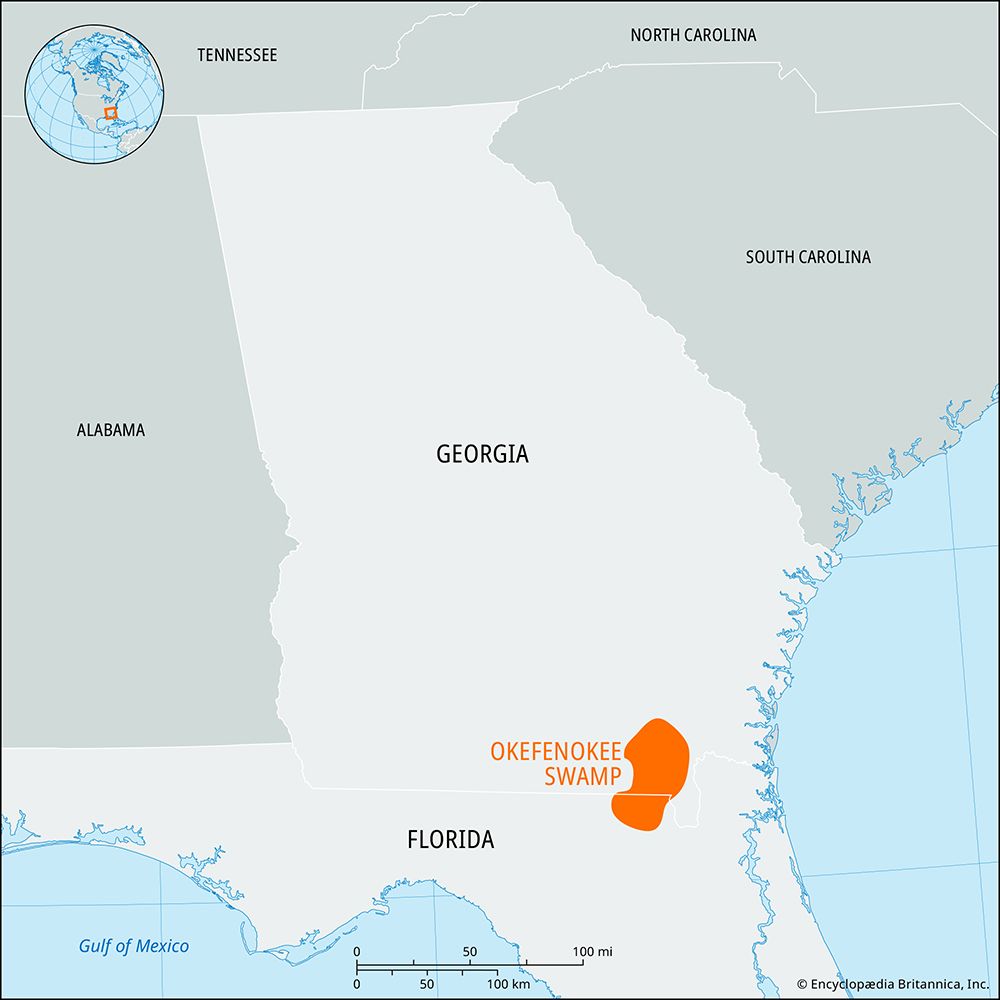
The primary conservation effort for the Okefenokee Swamp is its protection within the Okefenokee National Wildlife Refuge. Established in 1937, this refuge encompasses 371,445 acres of swampland, primarily located in Georgia, to safeguard its unique wetland habitat and biodiversity.wetland) habitat and biodiversity.1
Beyond its status as a national wildlife refuge, the area received international recognition in 2026 when it was designated a UNESCO World Heritage site for its exceptional natural significance. These protections are essential for preserving the swamp’s ancient peat deposits, which serve as critical carbon sinks, and for maintaining the habitat of numerous threatened and endangered species, such as the wood stork and the red-cockaded woodpecker.1
It is a fundamental ethical imperative to protect such irreplaceable ecosystems from industrial encroachment and environmental degradation to ensure their survival for future generations.
What unique ecosystems and wildlife can be found in the Okefenokee Swamp?
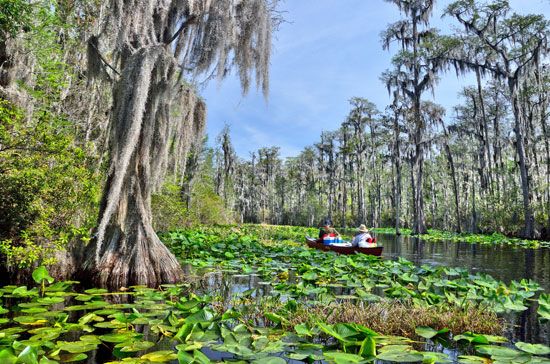
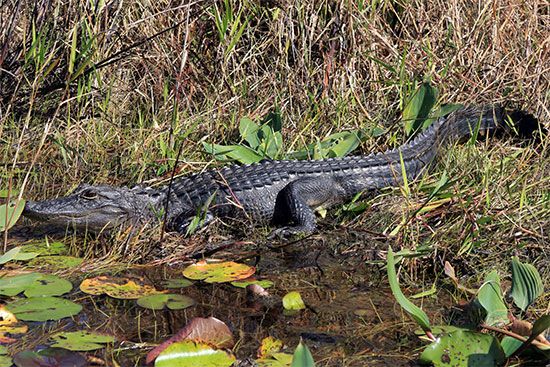
The Okefenokee Swamp is a vast, shallow wetland characterized by a complex mosaic of unique environments. Its landscape features low, sandy ridges, wet grassy savannas, and small islands known as hummocks. The area is also defined by extensive “prairies”—dark, open-water channels—and dense vegetation, including giant tupelo and bald cypress trees draped in Spanish moss. Where the soil rises above the water, pine forests predominate, while the water itself hosts floating hearts, lilies, and rare orchids.1
This habitat supports exceptional biodiversity, including:
- Reptiles: It is home to one of the largest populations of American alligators in the United States and the indigo snake.1
- Mammals: At least 40 species reside here, such as black bears, white-tailed deer, bobcats, raccoons, foxes, and otters.1
- Birds: The swamp shelters approximately 175 species, including the wood stork and the red-cockaded woodpecker.1
What is the geological history of the Okefenokee Swamp?
The Okefenokee Swamp is a shallow, saucer-shaped depression spanning more than 600 square miles (1,550 square km) in southeastern Georgia and northern Florida. Its geological formation is defined by its unique position relative to the Atlantic coast and the presence of the Trail Ridge.1
Geological Features and Formation
- Trail Ridge: The swamp is bounded on its eastern side by the Trail Ridge, a low, sandy formation that acts as a natural barrier, preventing the swamp’s water from draining directly into the Atlantic Ocean.1
- Hydrology: Because of this blockage, the swamp is partially drained southward by the Suwannee River and the St. Mary’s River.1
- Peat Accumulation: The swamp is notable for its ancient, undisturbed peat deposits. These deposits form through the accumulation of organic matter in waterlogged, oxygen-poor environments where decomposition is incomplete. Over time, this process creates the dark, tea-colored water characteristic of the region.145
These peat deposits serve as vital carbon sinks and provide scientists with a valuable record of historical environmental changes.1
Sources
- Okefenokee Swamp — Encyclopædia Britannica
- Wetland - Wetland science — Encyclopædia Britannica
- Wetland - Wetland functions and ecosystem benefits — Encyclopædia Britannica
- coal - Peat — Encyclopædia Britannica
- Swamp — Encyclopædia Britannica
- Okefenokee — Merriam-Webster
Published on · 3 min read