Sourwood
The sourwood (Oxydendrum arboreum) is a deciduous ornamental tree belonging to the heath family (Ericaceae), native to southeastern North America.
What is sourwood?
The sourwood (Oxydendrum arboreum) is a deciduous ornamental tree belonging to the heath family (Ericaceae), native to southeastern North America.12
Typically reaching heights of about 23 meters (75 feet), the tree is characterized by its alternate, stalked, and oblong leaves that possess a distinctively bitter, sour taste. These leaves are notable for turning a brilliant red during the autumn season.12
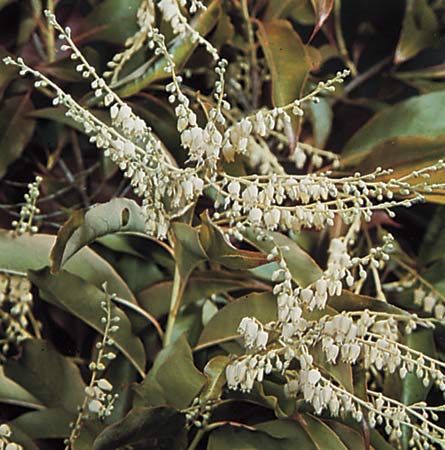
The tree produces fragrant, white, pendulous flowers arranged in clusters measuring 20–25 cm (8–10 inches) in length. Following the flowering period, these are replaced by erect, whitish, capsular fruits that provide a striking visual contrast against the foliage.1
What is special about sourwood honey?
Sorry, the Britannica knowledge base does not contain information regarding the specific qualities of sourwood honey.
Which other plants belong to the heath family?
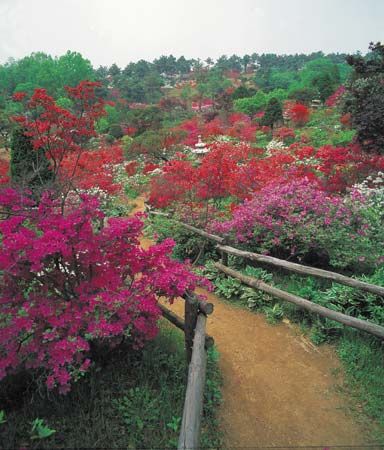
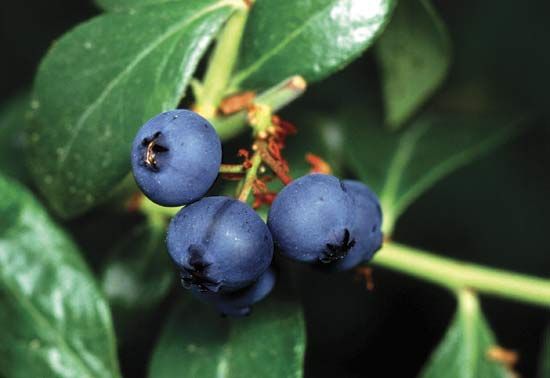
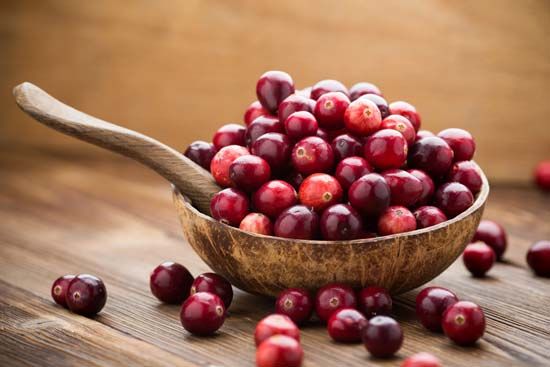
The heath family (Ericaceae) is a diverse group of approximately 4,000 species of flowering plants, ranging from small alpine herbs to large tropical trees. Many members are valued as garden ornamentals or cultivated for their edible fruits.345
Major plants in the family include:
- Food Crops: Blueberry, cranberry, bilberry, huckleberry, and lingonberry.54
- Ornamentals: Rhododendron (including azaleas), mountain laurel, heath, heather, and doghobble.534
- Other Notable Species: Manzanita (including bearberry), wintergreen, pipsissewa, trailing arbutus, bog rosemary, and Indian pipe.54
These plants are widely distributed and often thrive in acidic, poorly drained soils. While many are shrubs, the family also includes unique species like the strawberry tree (Arbutus unedo) and the sourwood tree3.34
How do trees change color in the autumn?
As trees prepare for winter, they undergo a controlled process that results in the vibrant colors of autumn. This transformation is primarily driven by changes in day length and cooling temperatures, which trigger the degradation of chlorophyll, the pigment responsible for the green color of leaves during the growing season.8910
As chlorophyll breaks down, other pigments that were previously masked become visible:
- Carotenoids: These pigments produce yellow and orange hues and are present in the leaf throughout the growing season, though they are hidden by the dominant green chlorophyll.810
- Anthocyanins: These pigments, which create red and purple colors, often accumulate in the leaves as chlorophyll degrades. Their development is frequently favored by intense light and low temperatures.81110
- Tannins: In some species, such as oak, these compounds remain after other pigments fade, resulting in a dull brown color.10
This color change is part of a broader survival strategy known as abscission. By shedding leaves, trees protect themselves from winter damage, such as the freezing of leaf cells or breakage caused by wind and snow, while entering a state of dormancy to conserve energy for spring.910
Sources
- sourwood — Encyclopædia Britannica
- sourwood — Merriam-Webster
- list of economically important members of the family Ericaceae — Encyclopædia Britannica
- Ericaceae — Encyclopædia Britannica
- Ericales — Encyclopædia Britannica
- heath — Encyclopædia Britannica
- list of plants in the family Ericaceae — Encyclopædia Britannica
- Why Do Leaves Change Color in the Fall? — Encyclopædia Britannica
- Why Do Leaves Fall in Autumn? — Encyclopædia Britannica
- coloration - Anthocyanins — Encyclopædia Britannica
- Leaf — Encyclopædia Britannica
Published on · 2 min read