Sweet William
Sweet William (Dianthus barbatus) is a popular garden plant belonging to the pink family (Caryophyllaceae). Typically grown as a biennial, it reaches heights…
What is sweet William?
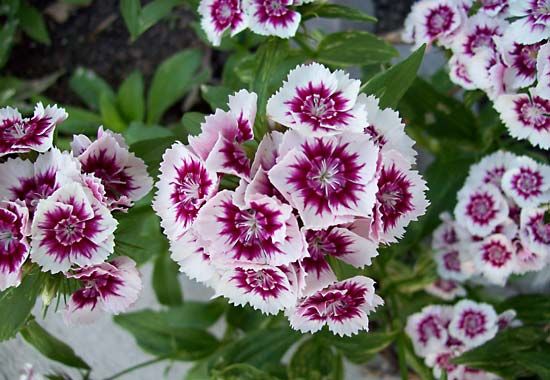
Sweet William (Dianthus barbatus) is a popular garden plant belonging to the pink family (Caryophyllaceae). Typically grown as a biennial, it reaches heights of up to 60 cm (2 feet) and is prized for its dense clusters of small, fringed flowers that range in color from white and pink to rose, violet, or bicoloured patterns.12
Due to its appearance, it is sometimes referred to as “bunch pink” and is frequently utilized in the floral industry for its cut flowers. While the origin of its common name is debated—with some attributing it to William Augustus, Duke of Cumberland, and others to the 16th-century poet Thomas Tusser—the plant remains a staple in ornamental gardening. In Scotland, it is occasionally known by the less flattering names “stinking Willie” or “sour Billy”.12
What is the difference between annuals, biennials, and perennials?
The primary difference between annuals, biennials, and perennials lies in the duration of their life cycles and how they persist across growing seasons.
Annuals
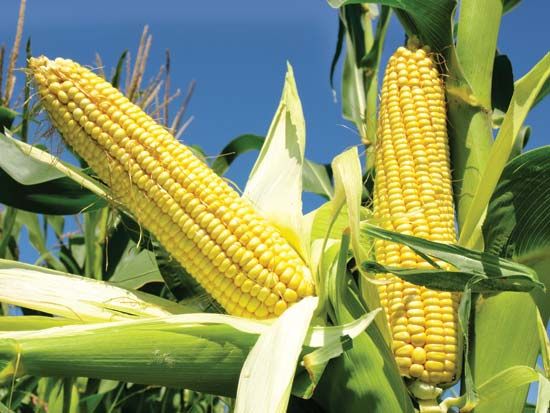
An annual is a plant that completes its entire life cycle—from germination to flowering, seed production, and death—within a single growing season. Because the plant dies completely, only the dormant seed survives to ensure the next generation. Common examples include corn, lettuce, and marigolds.34
Biennials
A biennial is a plant that requires two growing seasons to complete its life cycle. During the first year, it focuses on vegetative growth, such as developing roots, stems, and leaves. In the second year, it produces flowers, fruits, and seeds before dying. Familiar examples include carrots, parsley, and dill.543
Perennials
A perennial is a plant that lives for an indefinite number of years. While the aboveground portions of herbaceous perennials may die back in autumn, the plant survives through specialized underground structures like bulbs, rhizomes, or tubers, allowing it to regrow and bloom in subsequent seasons. This category includes all trees and shrubs, as well as garden favorites like chrysanthemums and peonies.674
What are some other common flowers in the Dianthus genus?
Beyond the popular carnation (Dianthus caryophyllus) and sweet William (D. barbatus), the Dianthus genus includes several other notable species frequently grown as garden ornamentals:289
- Cottage pink (Dianthus plumarius): Also known as grass pink, this species is highly valued for its fragrant, showy flowers and is a classic choice for garden borders.289
- China pink (Dianthus chinensis): Sometimes called rainbow pink, this species is often grown as an annual or short-lived perennial and is recognized for its stiff stems and colorful, often bicoloured flowers.2108
- Maiden pink (Dianthus deltoides): Also referred to as meadow pink, this species is well-suited for rock gardens and typically forms low, clumpy mats of foliage.28
These plants are part of the Caryophyllaceae family and are generally characterized by their tufted or mat-forming growth habits and small, often fragrant flowers.289
How do botanists classify plants into families like Caryophyllaceae?
Botanists classify plants into families like Caryophyllaceae by placing organisms into a hierarchical system based on their resemblances to and differences from known forms. This process involves evaluating both traditional morphological traits and modern molecular data to determine natural evolutionary relationships, or phylogeny.1314
Methods of Classification
- Morphological Analysis: Historically, classification relied on gross structure, such as the arrangement of leaves, flowers, and fruits. Advanced tools like electron microscopes allow botanists to study these features in greater detail.1514
- Molecular Evidence: Modern systems, such as the Angiosperm Phylogeny Group IV (APG IV), rely heavily on DNA sequencing. This molecular data often provides the primary evidence for defining families, especially when unique physical traits are not immediately obvious.161417
- Chemotaxonomy: Botanists also analyze the chemical composition of plants to identify metabolic products, which provides supplemental evidence for distinguishing between related groups.14
Taxonomic Conventions
In botanical nomenclature, families are typically identified by the suffix -aceae, while orders end in -ales. While these naming conventions help standardize the hierarchy, the specific rank assigned to a group often reflects a consensus among taxonomists based on the best available evidence.1713
Sources
- sweet William — Encyclopædia Britannica
- pink — Encyclopædia Britannica
- Is That Plant 'Perennial' or 'Annual'? — Merriam-Webster
- Biennial — Encyclopædia Britannica
- Annual — Encyclopædia Britannica
- Perennial — Encyclopædia Britannica
- Angiosperm - General features — Encyclopædia Britannica
- China pink — Merriam-Webster
- carnation — Merriam-Webster
- Caryophyllales — Encyclopædia Britannica
- Caryophyllales - Caryophyllaceae — Encyclopædia Britannica
- Caryophyllaceae — Encyclopædia Britannica
- Caryophyllales - Characteristic morphological features — Encyclopædia Britannica
- Asparagales - Organization and taxonomy — Encyclopædia Britannica
- taxonomy - Ranks — Encyclopædia Britannica
- Botany - Taxonomic aspects — Encyclopædia Britannica
- Angiosperm — Encyclopædia Britannica
Published on · 3 min read