Tetramelaceae
Tetramelaceae is a small family of flowering plants belonging to the squash order, Cucurbitales. The family consists of two genera, each containing a single…
What is Tetramelaceae?
Tetramelaceae is a small family of flowering plants belonging to the squash order, Cucurbitales. The family consists of two genera, each containing a single species of Indo-Malesian trees.12
- Octomeles sumatrana: Recognized as one of the tallest trees in the forests of Malesia, this species is a massive, fast-growing tree with soft wood often used for crafting canoes.12
- Tetrameles nudiflora: Found from Central and East Asia to Australia, this tree features male and female blooms on separate individuals.1
In both genera, the male and female flowers are borne in pendulous spikes. The plants produce small flowers and dry, capsule-like fruits that split open to release tiny seeds. The ovary is inferior, and the styles are positioned in a ring near the edge of the ovary.21
What other plant families belong to the order Cucurbitales?
The order Cucurbitales comprises seven distinct plant families. While you are already familiar with Tetramelaceae, the order also includes the following families:
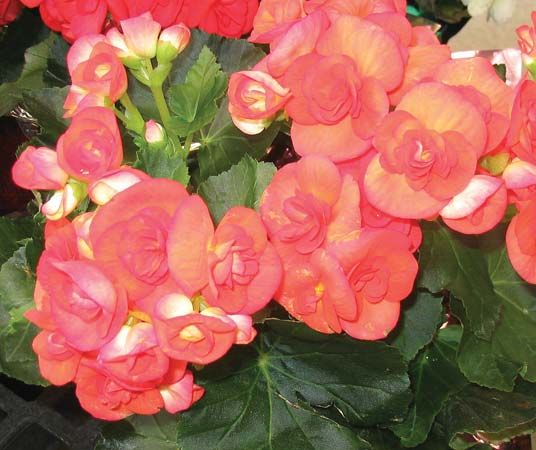
- Begoniaceae: The begonia family, which accounts for approximately 60 percent of all species within the order.
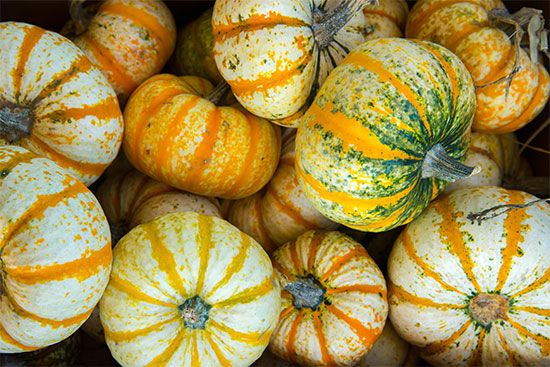
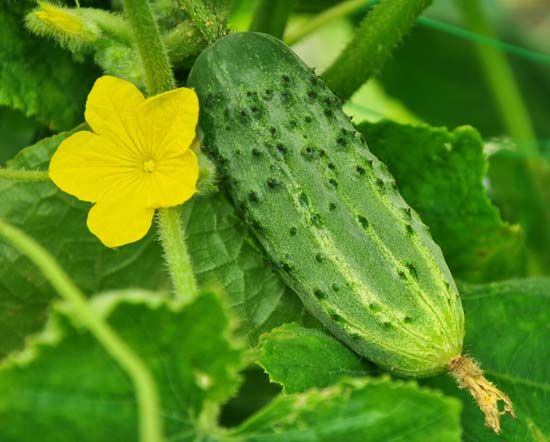
- Cucurbitaceae: The squash, gourd, and cucumber family, which contains 90 percent of the genera in the order.
- Datiscaceae: A small family traditionally grouped with Begoniaceae and Cucurbitaceae due to shared floral characteristics.
- Anisophylleaceae: A family whose members were historically associated with other orders like Malpighiales or Myrtales.
- Coriariaceae: A family once linked to Ranunculaceae due to its separate carpels.
- Corynocarpaceae: A family that has long held an uncertain taxonomic position before being placed within this order.3
How do fast-growing trees like Octomeles contribute to their ecosystem?
Fast-growing trees like Octomeles function as pioneer species within their ecosystems, playing a critical role in the process of ecological succession. Following disturbances such as forest clearing or natural events, these trees are among the first to colonize the area, taking advantage of available resources before larger, slower-growing competitors arrive.45
Their contributions to the ecosystem include:
- Rapid Colonization: Characterized by their ability to grow quickly in high-light environments, these trees rapidly establish themselves in canopy gaps, helping to initiate the recovery of the forest structure.5
- Resource Utilization: They are highly efficient at exploiting open habitats, utilizing high levels of sunlight to achieve rapid growth and early reproductive status.54
- Community Development: By establishing a presence, they help build a simple initial biological community. As they grow, they contribute to the changing environmental conditions—such as altering light availability—which eventually allows for the transition toward a more stable, mature forest structure.4
While these trees are vital for early regeneration, they typically have lower wood densities and shorter lifespans compared to climax species, reflecting a life-history trade-off that prioritizes rapid growth over long-term persistence.5
What are the main differences between trees and perennial herbs?
The primary differences between trees and perennial herbs lie in their structural composition, growth patterns, and longevity. While both are perennial plants—meaning they persist for several years—they utilize different biological strategies to survive and grow.
Structural and Growth Differences
- Woody vs. Herbaceous: Trees are woody plants characterized by the presence of secondary tissues, specifically a cylinder of xylem (wood) produced by the vascular cambium. This allows them to develop a thick, permanent trunk and protective bark. In contrast, herbaceous perennials lack this secondary woody growth and do not form bark; their stems remain relatively soft and flexible.789
- Persistence: Trees maintain their woody structure above ground throughout the year. Herbaceous perennials in temperate climates typically have aerial parts that die back to the ground at the end of each growing season. They survive the winter through subterranean storage organs, such as rhizomes, bulbs, corms, or tubers, which produce new shoots the following season.810
- Classification: The category of “tree” is considered an artificial, human-defined concept based on size and habit (typically reaching at least 4.5 meters at maturity), whereas “herbaceous” refers to a specific physiological and structural state.11
Sources
- Tetramelaceae — Encyclopædia Britannica
- Cucurbitales - Other families — Encyclopædia Britannica
- Cucurbitales — Encyclopædia Britannica
- Rainforest regeneration in PanamaRegeneration in Panama — Encyclopædia Britannica
- Tree - Adaptations — Encyclopædia Britannica
- pioneer species — Encyclopædia Britannica
- Plant - Stems — Encyclopædia Britannica
- Angiosperm - General features — Encyclopædia Britannica
- Perennial — Encyclopædia Britannica
- life span - Perennials — Encyclopædia Britannica
- Tree - Ecological and evolutionary classification — Encyclopædia Britannica
- Angiosperm - Secondary vascular system — Encyclopædia Britannica
- conifer - Distinguishing taxonomic features — Encyclopædia Britannica
Published on · 3 min read