What’s the Difference Between Sweet Potatoes and Yams?
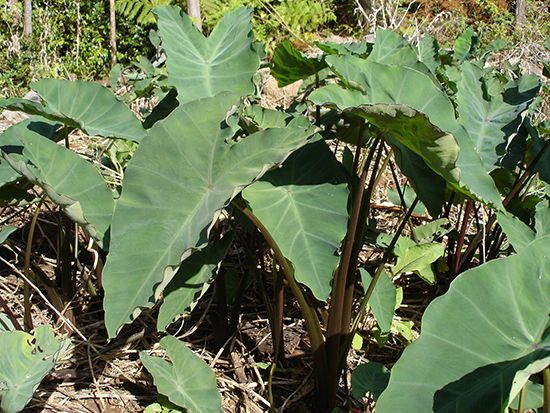
It is a common misconception that yams and sweet potatoes are the same vegetable. In reality, they are entirely different plants that are not closely related.
What’s the Difference Between Sweet Potatoes and Yams?
It is a common misconception that yams and sweet potatoes are the same vegetable. In reality, they are entirely different plants that are not closely related.12
Key Differences
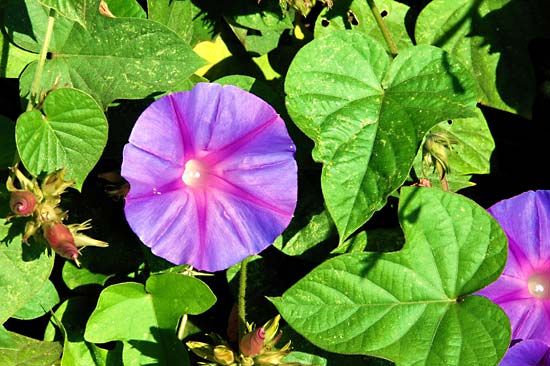
- Botanical Classification: Yams belong to the genus Dioscorea in the family Dioscoreaceae. Sweet potatoes belong to the species Ipomoea batatas in the morning glory family, Convolvulaceae.1
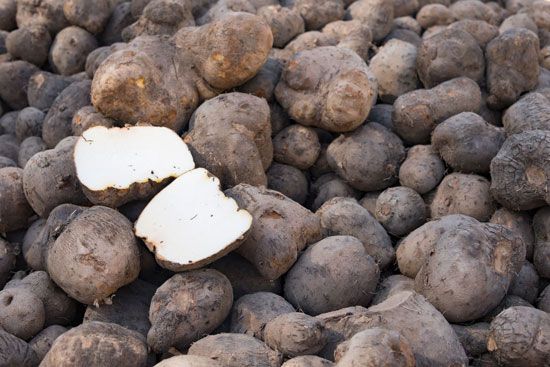
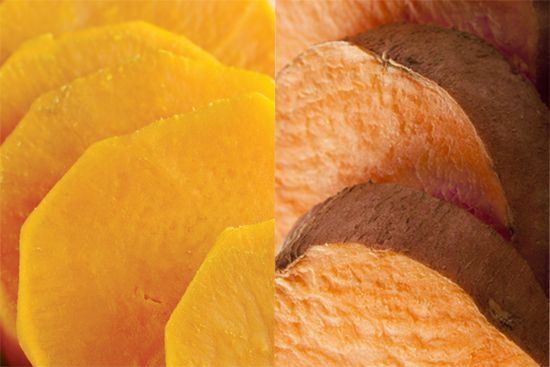
- Physical Structure: Yams are tubers with rough, bark-like skin and flesh that can be white, yellow, pink, or purple. Sweet potatoes are true roots with smooth skin and typically orange or white flesh.12
- Taste and Texture: Yams are often dry and starchy, with flavors ranging from sweet to bitter. Sweet potatoes are generally moist and sweet.1
The confusion in the United States originated when enslaved Africans identified soft, orange-fleshed sweet potatoes as “yams” due to their resemblance to the true yams from their home continent. The name persisted, leading to the common, albeit botanically incorrect, usage today.13
What are some other common food items that are frequently mislabeled?
Many food items are frequently mislabeled or misused in common parlance, often leading to confusion regarding their origin or true identity.
One prominent example is Kobe beef. While the terms Wagyu and Kobe are often used interchangeably, they are not identical. Wagyu refers to any of four specific breeds of native Japanese cattle. Kobe beef, however, is a highly specific designation for Wagyu beef produced in the Kobe region of Japan. Due to the global export of Wagyu cattle, the Japanese government now strictly protects the “Kobe” label, ensuring it is applied only to meat raised within Japan, rather than Wagyu-style cattle raised elsewhere.4
The search results provided do not contain information on other specific food items that are frequently mislabeled.
How do different root vegetables and tubers store nutrients?
Root vegetables and tubers serve as vital energy storage organs for plants, allowing them to survive harsh conditions, such as cold winters, and providing the necessary resources for future growth. While these plants are categorized together in culinary contexts, they utilize different botanical structures to store nutrients.5
Mechanisms of Nutrient Storage
Plants store energy primarily in the form of starch, a complex carbohydrate. This energy is transported downward from the leaves through the plant’s vascular tissues and is deposited in specialized underground structures.56
- True Roots: In plants like carrots and turnips, the taproot itself acts as the storage organ. The cortex of the root is the primary site where this food is held.6
- Modified Stems: Many “root vegetables” are actually modified stems, including tubers, rhizomes, corms, and bulbs. These structures store starch to support the plant’s survival and vegetative propagation.56
- Bulbs: Unlike tubers, which store starch in thickened stem tissue, bulbs store nutrients in enlarged, fleshy leaves compressed into tight layers called scales.5
These storage organs are highly efficient, allowing plants to remain dormant and protected underground until favorable growing conditions return.5
What are the cultural significance and traditional uses of yams in West Africa?
In West Africa, the yam is far more than a dietary staple; it is a primary agricultural commodity and a central element of cultural identity. Among groups such as the Akan, yams serve as the foundation of the local economy and are deeply integrated into social and spiritual life, often acting as the focal point for elaborate rituals.32
Traditional uses of the yam include:
- Culinary Staple: Yams are prepared in various ways, most commonly boiled and mashed into a sticky paste or dough. They may also be fried, roasted, or baked.3
- Ritual Significance: In many tropical cultures, the cultivation and harvest of yams are accompanied by ceremonial practices that reinforce community bonds and ancestral connections.3
- Agricultural Focus: Species such as the Guinea yam (D. rotundata) and yellow Guinea yam (D. cayenensis) are specifically cultivated as essential food crops in the region.3
While often confused with sweet potatoes in other parts of the world, true yams are botanically distinct members of the genus Dioscorea.93
Sources
- What’s the Difference Between Sweet Potatoes and Yams? — Encyclopædia Britannica
- Yam — Encyclopædia Britannica
- yam — Merriam-Webster
- Kobe beef — Encyclopædia Britannica
- Root vegetable — Encyclopædia Britannica
- Root — Encyclopædia Britannica
- Angiosperm - Uptake of water and mineral nutrients from the soil — Encyclopædia Britannica
- human nutrition - Starchy roots — Encyclopædia Britannica
- Akan — Encyclopædia Britannica
Published on · 3 min read