Spider Orchid
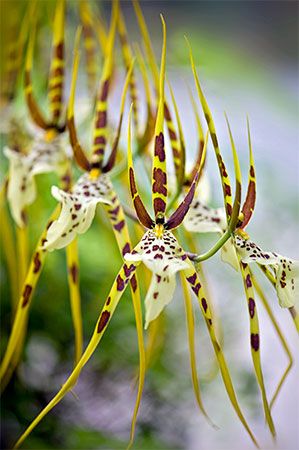
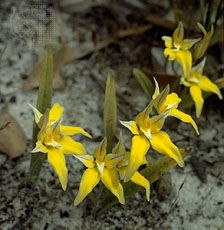
The term spider orchid refers to various plants within the Orchidaceae family that are characterized by flowers with long, thin sepals and petals, giving…
What is Spider orchid?
The term spider orchid refers to various plants within the Orchidaceae family that are characterized by flowers with long, thin sepals and petals, giving them a distinct, spidery appearance.12
The name is primarily applied to two genera:
- Brassia: These are epiphytic orchids native to the Americas. They are frequently cultivated for their attractive, often spotted flowers, which typically bloom on spikes extending laterally from the plant.1
- Caladenia: Largely native to Australia, this genus consists of about 350 terrestrial species. These orchids are generally deciduous and can be challenging to cultivate, as they rely on symbiotic fungi to thrive.1
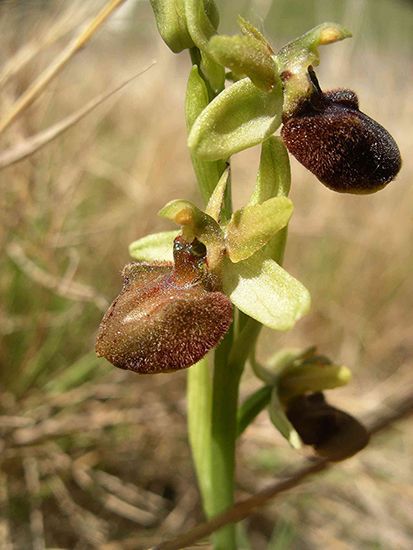
Additionally, two species in the genus Ophrys—the late spider orchid (O. fuciflora) and the early spider orchid (O. sphegodes)—are also commonly known by this name.1
What is an epiphytic plant?
An epiphyte is any plant that grows upon another plant or object solely for physical support. Often referred to as “air plants,” they do not rely on their host for nourishment and are not parasitic, as they do not penetrate the host to extract water or nutrients.456
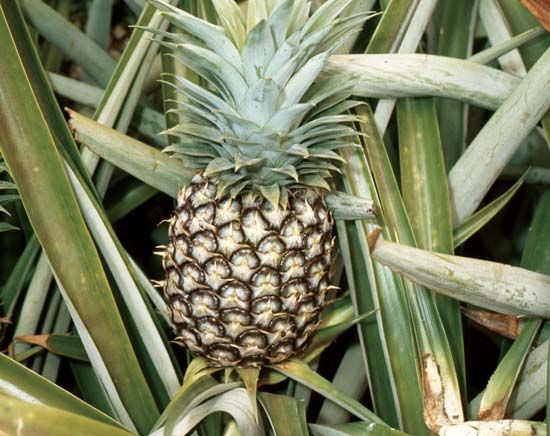
Most epiphytes are found in moist tropical regions, where growing high in the tree canopy allows them to access sunlight and collect nutrients from organic debris. They obtain water from rain and atmospheric moisture, often absorbing it through their roots or specialized leaves. Common examples include many species of orchids, ferns, mosses, and members of the Bromeliaceae (pineapple) family. While they are most common in the tropics, some species, such as ball moss, can survive in arid environments by utilizing marine fog.54
Why do some orchids require symbiotic fungi to grow?
Orchids require symbiotic fungi because their seeds are extremely small and lack the endosperm necessary to provide the energy required for germination and early growth.78
To overcome this, orchid seeds rely on mycorrhizal fungi to supply essential nutrients. In this process, the fungus penetrates the seed and contributes to the development of the seedling. While most orchid species eventually transition to photosynthesis as they mature, they remain “initial mycoheterotrophs” during their early development.798
Some orchids, however, continue this relationship throughout their entire life cycle. These mycoheterotrophs derive some or all of their nutrition from fungal networks, either by leaching carbohydrates from fungi that are connected to other plants or by interacting with saprotrophic fungi that feed on decaying organic matter. In nature, this fungal partnership is vital for the establishment and growth of these plants, though some orchids can be grown in artificial cultures that provide the necessary nutrients without the presence of fungi.879
How do orchids attract pollinators?
Orchids have evolved a remarkable array of strategies to attract pollinators, ranging from offering food rewards to sophisticated forms of deception.
Food-Based Attraction
Many orchids attract pollinators by providing nectar as a reward. These flowers often feature bright colors, agreeable odors, and a landing platform—typically the labellum—that guides the insect toward the nectary. As the insect feeds, it inadvertently brushes against the flower’s reproductive structures, causing pollen masses known as pollinia to attach to its body. Some species also use “pseudopollen,” a starch-rich, powdery substance that mimics the appearance of protein-rich pollen to entice visitors.1011
Deceptive Strategies
A large number of orchids are nectarless and rely on deception to ensure pollination:
- Sexual Deception: Orchids in the genus Ophrys and the Australian Cryptostylis mimic female insects. Through a combination of visual cues, tactile stimuli, and the release of pheromones, these flowers induce male insects to attempt pseudocopulation, during which the pollinia are transferred.1213
- Pseudoantagonism: Some orchids, such as those in the genus Oncidium, simulate an enemy insect. Male bees, attempting to defend their territory, strike the flower and pick up pollen in the process.10
- Traps and Manipulation: The Coryanthes (bucket orchid) uses a complex mechanism where male bees, attracted by floral scents, fall into a water-filled bucket. The only escape route forces the bee to pass through a tunnel where it is coated with pollen.10
Sources
- spider orchid — Encyclopædia Britannica
- spider orchid — Merriam-Webster
- orchid - Ecology — Encyclopædia Britannica
- Did you know? — Merriam-Webster
- Epiphyte — Encyclopædia Britannica
- Parasitic plant — Encyclopædia Britannica
- orchid - Seeds — Encyclopædia Britannica
- mycoheterotroph — Encyclopædia Britannica
- mycorrhiza — Encyclopædia Britannica
- mimicry - Orchids — Encyclopædia Britannica
- orchid - Bee pollination — Encyclopædia Britannica
- orchid - Pollination — Encyclopædia Britannica
- orchid - Sexual deception — Encyclopædia Britannica
Published on · 3 min read