Can You Drink Water from a Cactus?
It is a common misconception that cacti are reliable sources of fresh water for survival. In reality, most cactus species are not safe to drink from; they…
Can You Drink Water from a Cactus?
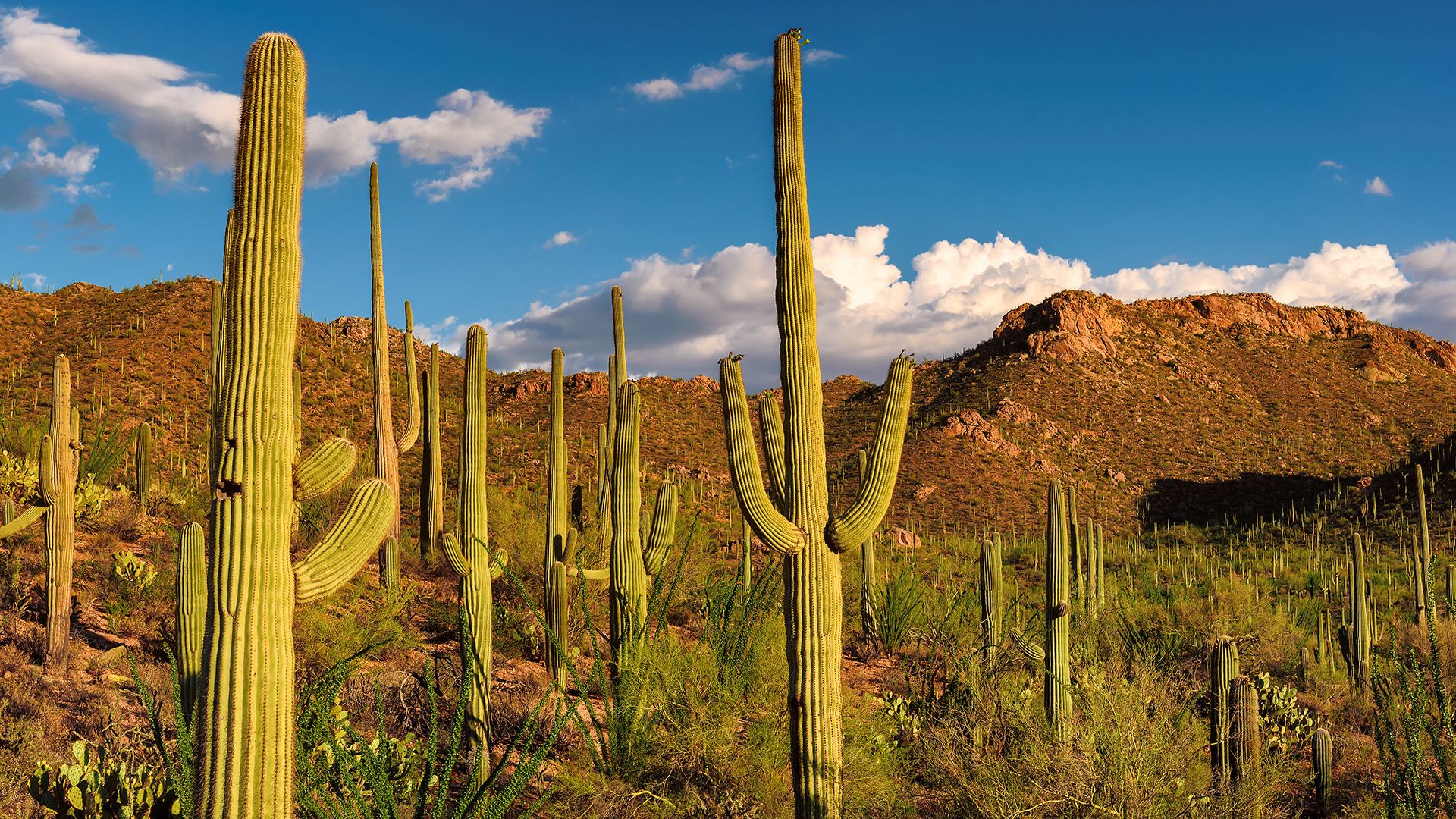
It is a common misconception that cacti are reliable sources of fresh water for survival. In reality, most cactus species are not safe to drink from; they protect their moisture with acrid acids and potent alkaloids that are toxic to humans.1
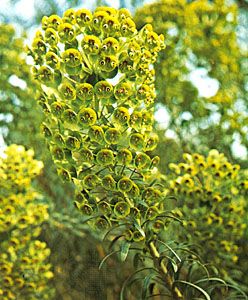
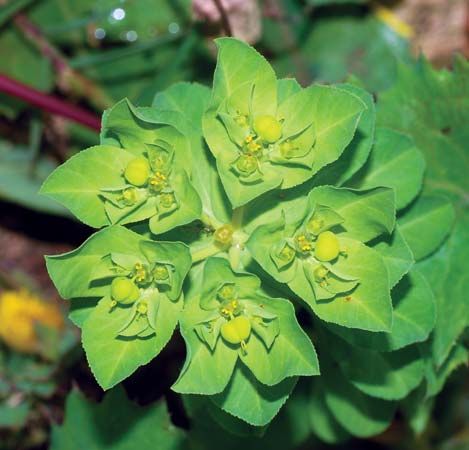
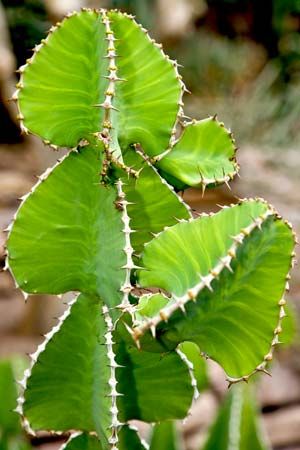
Ingesting the flesh of most cacti can lead to vomiting, diarrhea, or even temporary paralysis, which can worsen dehydration in an emergency. Furthermore, plants in other regions that resemble cacti, such as those in the family Euphorbiaceae found in Africa and Madagascar, contain a toxic milky sap that can cause skin burns and permanent blindness.1
There are very few exceptions: the prickly pear and the fishhook barrel cactus contain lower concentrations of these chemicals and may provide limited hydration in a dire situation, though they remain unpleasant to consume.1
How do cacti store water in their stems?
Cacti are succulent plants specifically adapted to store water within their stems. Unlike many other plants, the stem serves as the primary organ for both food manufacturing and water storage, as leaves are typically absent, reduced, or modified into spines to minimize surface area and prevent water loss.32
The internal structure of these stems is highly specialized for moisture retention:
- Storage Cells: The bulk of the stem consists of thin-walled storage cells that contain mucilaginous substances, which help hold water and prevent it from evaporating.2
- Protective Cuticle: The plant is covered by a cuticle, a waxy, water-impervious layer that limits transpiration and protects the plant from the environment.4
- Metabolic Efficiency: Many cacti utilize crassulacean acid metabolism, a process where stomata remain closed during the hot, dry day and open only at night. This significantly reduces water loss while allowing the plant to take in carbon dioxide for photosynthesis.3
What are areoles and why are they important to a cactus?
Areoles are small, cushion-like structures found on the stems of all cactus species, serving as a key diagnostic feature that distinguishes them from other succulent plants. Structurally, they are modified branches that develop from axillary buds.56
These structures are vital to a cactus for several reasons:
- Growth and Development: Areoles function as the primary growth points for the plant. From these cushions, new stems, branches, and leaves (when present) can emerge.26
- Reproduction: In most cactus genera, the flowers grow directly from the areoles, making them essential for the plant’s reproductive cycle.56
- Protection: Almost all cacti develop spines or barbed bristles (glochids) from their areoles. These spines serve critical roles, such as protecting the plant from herbivores and providing shade to shield the stem from intense solar radiation5.6
Because areoles are universal to the family Cactaceae and are not found in any other plant family, they are the most reliable way to identify a true cactus.56
What are some other plants that survive in extreme desert conditions?
Beyond cacti, many other plants have evolved specialized strategies to thrive in extreme desert environments. These plants, collectively known as xerophytes, utilize various adaptations to manage water scarcity.7
Common Desert Plant Strategies
- Succulents: Like cacti, plants such as agaves, aloe, and ice plants store water in their thick, fleshy leaves or stems. In Africa, cactus-like species of Euphorbia are also prominent8.73
- Ephemeral Plants: These plants survive dry periods as dormant seeds. After infrequent rains, they germinate, grow, flower, and produce seeds in just a few weeks before the soil dries out again.89
- Deep-Rooted Shrubs and Trees: Species such as the creosote bush and various acacias use extensive root systems to reach deep groundwater.108
- Dormancy: Some plants, including certain mosses and resurrection plants, become physiologically inactive and desiccated during droughts, resuming activity rapidly once moisture returns.8
- Structural Adaptations: Many desert plants feature waxy coatings, hairy or reflective leaves, or reduced leaf size to minimize water loss through transpiration.78
Sources
- Can You Drink Water from a Cactus? — Encyclopædia Britannica
- cactus — Encyclopædia Britannica
- Succulent — Encyclopædia Britannica
- Cuticle — Encyclopædia Britannica
- Caryophyllales - Cactaceae — Encyclopædia Britannica
- areole — Merriam-Webster
- Xerophyte — Encyclopædia Britannica
- Desert - Flora — Encyclopædia Britannica
- Desert - Population and community development and structure — Encyclopædia Britannica
- Sahara: Top Questions — Encyclopædia Britannica
Published on · 3 min read