Near Islands
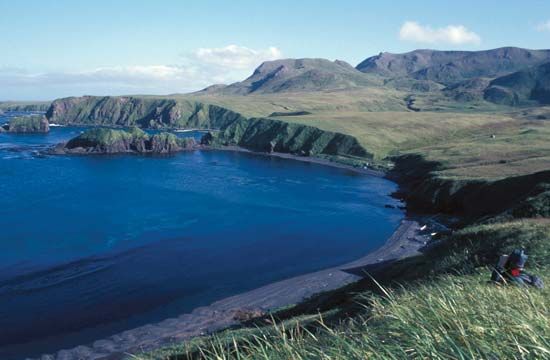
The Near Islands are the westernmost group of the Aleutian Islands, located in southwestern Alaska, U.S. Situated approximately 1,500 miles (2,400 km) west…
What is Near Islands?
The Near Islands are the westernmost group of the Aleutian Islands, located in southwestern Alaska, U.S. Situated approximately 1,500 miles (2,400 km) west of the Alaska Peninsula, this island group serves as the westernmost extension of the Alaska Maritime National Wildlife Refuge.12
The two largest islands in the group are Attu and Agattu. Attu, which holds the distinction of being the westernmost island in the Aleutian chain, was notably occupied by Japan during World War II. Additionally, the group includes Shemya Island, which is home to the Eareckson Air Station, a facility that has served as a strategic refueling location for military aircraft.1
What was the significance of the Battle of Attu during World War II?
The Battle of Attu, which took place in May 1943, was a significant military engagement during the Pacific War that resulted in the expulsion of Japanese forces from the Aleutian Islands.4
The significance of the battle included:
- Strategic Removal: The operation successfully ended the Japanese occupation of Attu, which had begun in June 1942. By bypassing Kiska and invading Attu on May 11, 1943, U.S. forces effectively neutralized the Japanese presence in the North Pacific.4
- High Casualties: The fighting was intense and costly; U.S. troops killed most of the island’s 2,300 Japanese defenders over the course of three weeks of combat.4
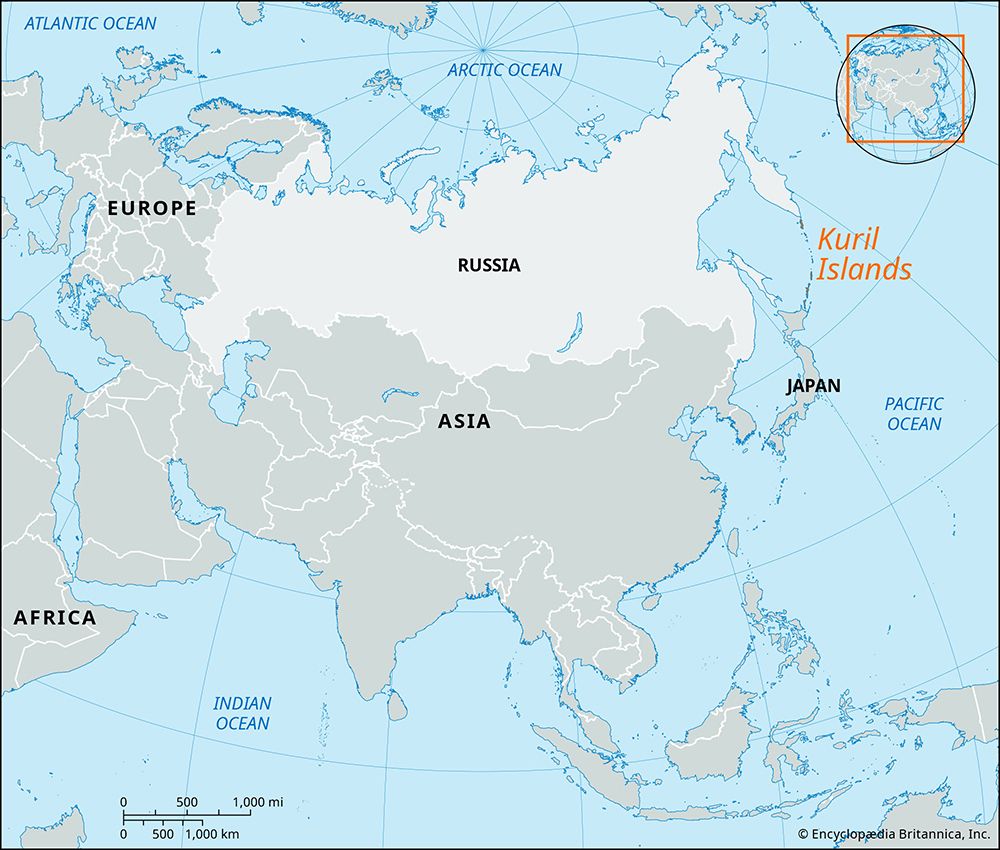
- Operational Advantage: Following the victory at Attu, the Japanese evacuated Kiska. The subsequent establishment of Allied bases in the Aleutians provided a critical staging ground that facilitated the bombing of the Kuril Islands, extending the reach of Allied air power.4
How do the Aleutian Islands connect the geography of Alaska to Russia?
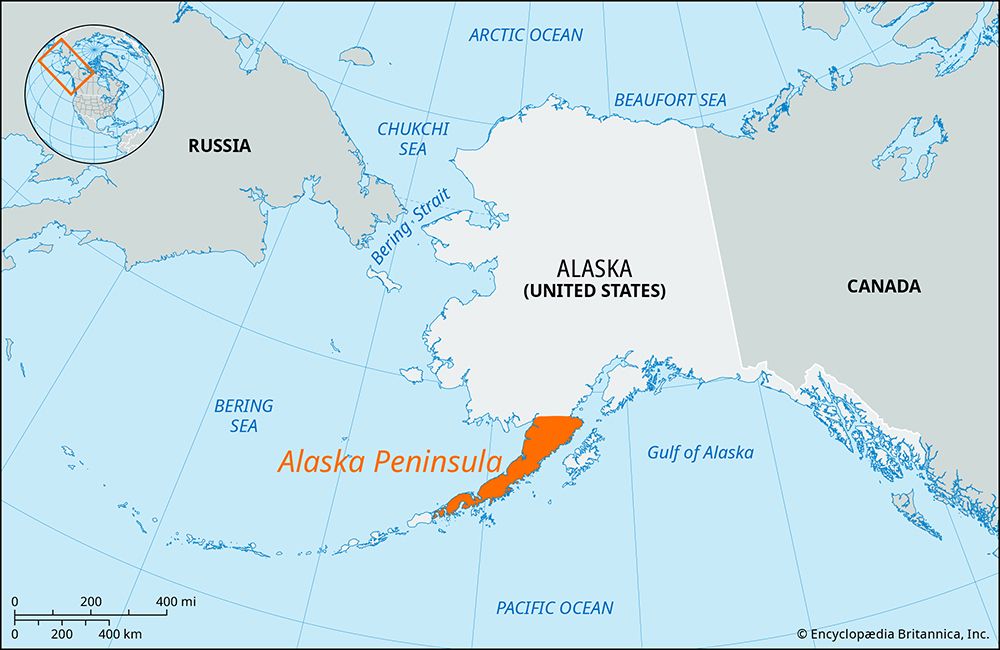
The Aleutian Islands serve as a geographic bridge between Alaska and Russia by forming the southern boundary of the Bering Sea, which separates the continents of North America and Asia.1
The connection is defined by the following geographic and historical factors:
- Geographic Continuity: The Aleutian chain extends westward from the Alaska Peninsula toward the Russian Kamchatka Peninsula. The Komandor Islands, located in extreme eastern Russia, are geographically considered part of the Aleutian island group.17
- Historical Land Bridge: During the Ice Age, lower sea levels exposed Beringia, a land bridge that connected Siberia and Alaska. This region allowed for the migration of animals and humans between the two continents.189
- Maritime Boundary: The Bering Strait and the Bering Sea serve as the modern boundary between the United States and Russia, with the islands acting as markers across this northern Pacific region.1
What kind of wildlife lives in the Alaska Maritime National Wildlife Refuge?
The Alaska Maritime National Wildlife Refuge supports a diverse array of wildlife, particularly within its island ecosystems. The refuge is home to significant populations of marine mammals and a vast number of migratory birds.
Marine Mammals
The islands within the refuge serve as critical habitats for several species of marine mammals, including:
- Seals: The refuge hosts large populations of northern fur seals and harbour seals.
- Other Marine Life: The area is frequented by sea otters, sea lions, walrus, and various species of whales.
Birds
The refuge is a vital sanctuary for avian life, with nearly three million birds passing through its islands annually. This includes approximately 220 species, such as:
- Seabirds: Puffins, auklets, and kittiwakes are among the many species that nest in the region.
Terrestrial Wildlife
In addition to marine-dependent species, some islands within the refuge support terrestrial animals, including:
- Reindeer and Arctic blue foxes are found on certain islands, such as the Pribilof Islands.
Sources
- Near Islands — Encyclopædia Britannica
- Virgin Islands - Climate — Encyclopædia Britannica
- Near Islands — Merriam-Webster
- World War II - The Solomons, Papua, Madagascar, the Aleutians, and Burma, July 1942–May 1943 — Encyclopædia Britannica
- World War II - The fall of Singapore — Encyclopædia Britannica
- Pacific War - The Battles of the Coral Sea and Midway — Encyclopædia Britannica
- Bering Sea and Strait — Encyclopædia Britannica
- Alaska - Early history — Encyclopædia Britannica
- Komandor Islands — Encyclopædia Britannica
- Aleutian Basin — Encyclopædia Britannica
- Beringia — Encyclopædia Britannica
- Alaska - Plant and animal life — Encyclopædia Britannica
- Pribilof Islands — Encyclopædia Britannica
- Polar ecosystem - Biota of the Arctic — Encyclopædia Britannica
Published on · 3 min read