Shield Fern
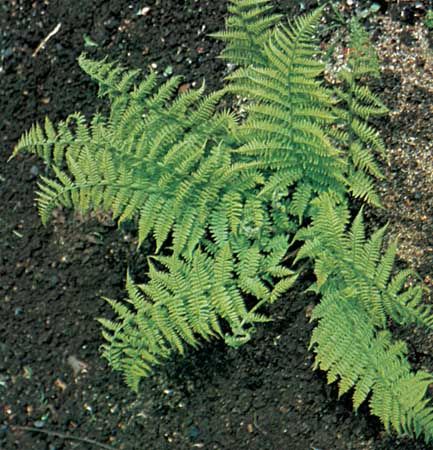
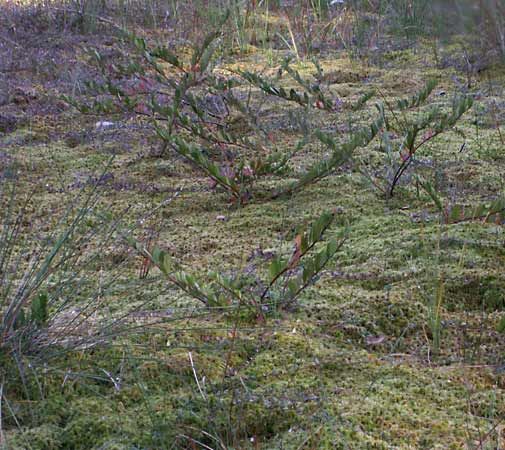
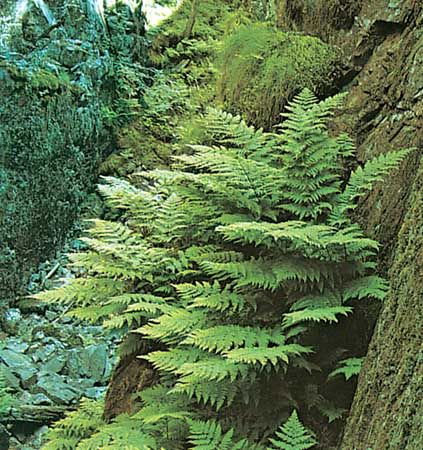
Shield fern refers to various ferns primarily within the genera Dryopteris and Polystichum, both belonging to the family Dryopteridaceae.
What is Shield fern?
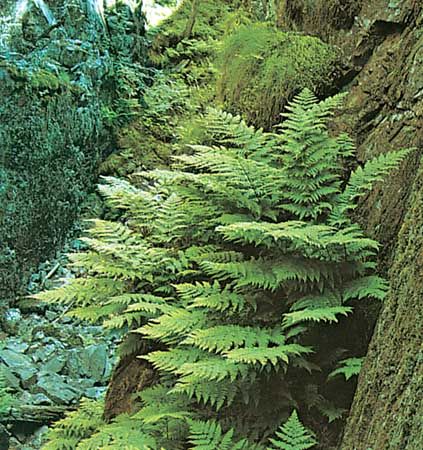
Shield fern refers to various ferns primarily within the genera Dryopteris and Polystichum, both belonging to the family Dryopteridaceae.123
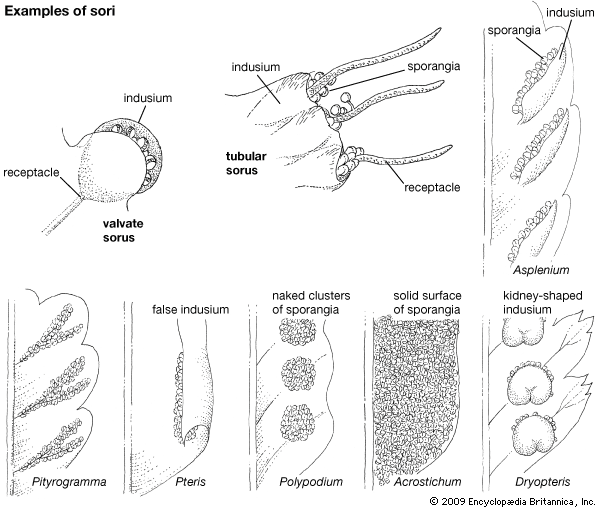
These plants are typically medium-sized woodland species characterized by bright green, leathery leaves that are divided multiple times. A defining feature of these ferns is the presence of round spore clusters, known as sori, located on the underside of the leaves. These clusters are protected by a specialized tissue covering called an indusium, which is often kidney-shaped in Dryopteris or umbrella-shaped in Polystichum.132
The family Dryopteridaceae, often called the shield fern family, includes approximately 1,700 species distributed worldwide, with high diversity in temperate and tropical mountainous regions. Beyond their ecological presence, some species are cultivated in gardens, and certain rhizomes have historically been utilized for their medicinal properties.3
How do ferns reproduce using spores?
Ferns reproduce through a complex life cycle that alternates between two distinct stages: the sporophyte and the gametophyte.6
The Sporophyte Stage
The familiar fern plant is the sporophyte, which produces haploid spores in specialized structures called sporangia. These sporangia are typically clustered on the undersides of the fronds in groups known as sori. In many species, these clusters are protected by a specialized tissue called an indusium. When mature, the sporangia release these spores, which are then dispersed by wind.678
The Gametophyte Stage
If a spore lands in a suitable, moist environment, it germinates to form a tiny, heart-shaped, green structure called a prothallium (or gametophyte). This structure is usually less than 8 mm long and produces both male (antheridia) and female (archegonia) sex organs.697
Fertilization and Growth
Fertilization occurs when sperm from the antheridia reach the eggs in the archegonia, typically requiring moisture for the sperm to swim. The resulting zygote develops into a new, independent sporophyte plant, which eventually grows to maturity, while the parental prothallium withers and dies.6107
What are the differences between vascular and non-vascular plants?
The primary distinction between vascular and non-vascular plants lies in the presence of specialized tissues for internal transport and structural support.
Vascular Plants (Tracheophytes)
Vascular plants possess vascular tissue, consisting of xylem for water and mineral conduction and phloem for food transport. The xylem contains lignin, a hardening substance that provides the structural integrity necessary for these plants to grow to significant heights. Because of this system, vascular plants have true roots, stems, and leaves. In their life cycle, the sporophyte is the dominant, conspicuous phase. This group includes ferns, gymnosperms, and flowering plants.1212
Non-vascular Plants (Bryophytes)
Non-vascular plants, or bryophytes, lack true vascular tissue, roots, stems, and leaves. They rely on their immediate environment for moisture, which is why they are typically found in damp, shady locations and remain small in stature. Their life cycle is dominated by the gametophyte phase, while the sporophyte remains dependent on the gametophyte for nutrition. This group includes mosses, liverworts, and hornworts.13
What other types of ferns are commonly found in gardens?
Many ferns are popular choices for gardens and indoor spaces due to their diverse forms and textures. Beyond the common varieties, several types are frequently cultivated for their ornamental appeal:
- Sword Fern (Nephrolepis): Known for its bushy rosettes of leafy fronds, this is a classic choice for both indoor and outdoor settings.16
- Lady Fern (Athyrium filix-femina): A large, feathery fern widely grown in moist, semi-shaded temperate gardens. It is prized for its deciduous, circular clusters of fronds.17
- Holly Fern (Cyrtomium): Distinguished by its glossy, dark, leathery leaves.16
- Leatherleaf Fern (Rumohra): Features lacy yet leathery fronds.16
- Bird’s-nest Fern (Asplenium nidus): Recognizable by its rosette of parchment-textured, fanlike, light-green fronds.16
- Hare’s-foot Fern (Polypodium): Notable for its woolly, pawlike rhizomes and feathery leaves.16
- Maidenhair Fern (Adiantum): A dainty, moisture-loving fern often found in shaded garden spots.16
- Staghorn Fern (Platycerium): An epiphyte with unique, antler-shaped fertile fronds that make it a popular curiosity for hanging displays.16
- Table Ferns (Pteris and Pellaea): A varied group often used in terraria due to their frilly or variegated foliage.16
Sources
- Shield fern — Encyclopædia Britannica
- shield fern — Merriam-Webster
- Dryopteridaceae — Encyclopædia Britannica
- Dryopteris — Merriam-Webster
- Japanese shield fern — Merriam-Webster
- Fern - Life cycle — Encyclopædia Britannica
- prothallium — Encyclopædia Britannica
- Plant reproductive system - Ferns — Encyclopædia Britannica
- Fern - The sorus — Encyclopædia Britannica
- Fern - Ecology — Encyclopædia Britannica
- water fern — Encyclopædia Britannica
- Plant - Definition of the category — Encyclopædia Britannica
- Xylem — Encyclopædia Britannica
- Plant - Definition of the category — Encyclopædia Britannica
- lower vascular plant - Vascular system — Encyclopædia Britannica
- houseplant - Ferns — Encyclopædia Britannica
- Lady fern — Encyclopædia Britannica
Published on · 3 min read