Spectacled Bear
The spectacled bear (Tremarctos ornatus), also known as the Andean bear, is the only bear species native to South America and the only one found south of the…
What is spectacled bear?
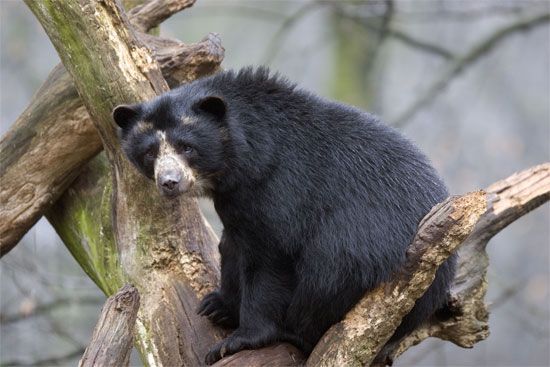
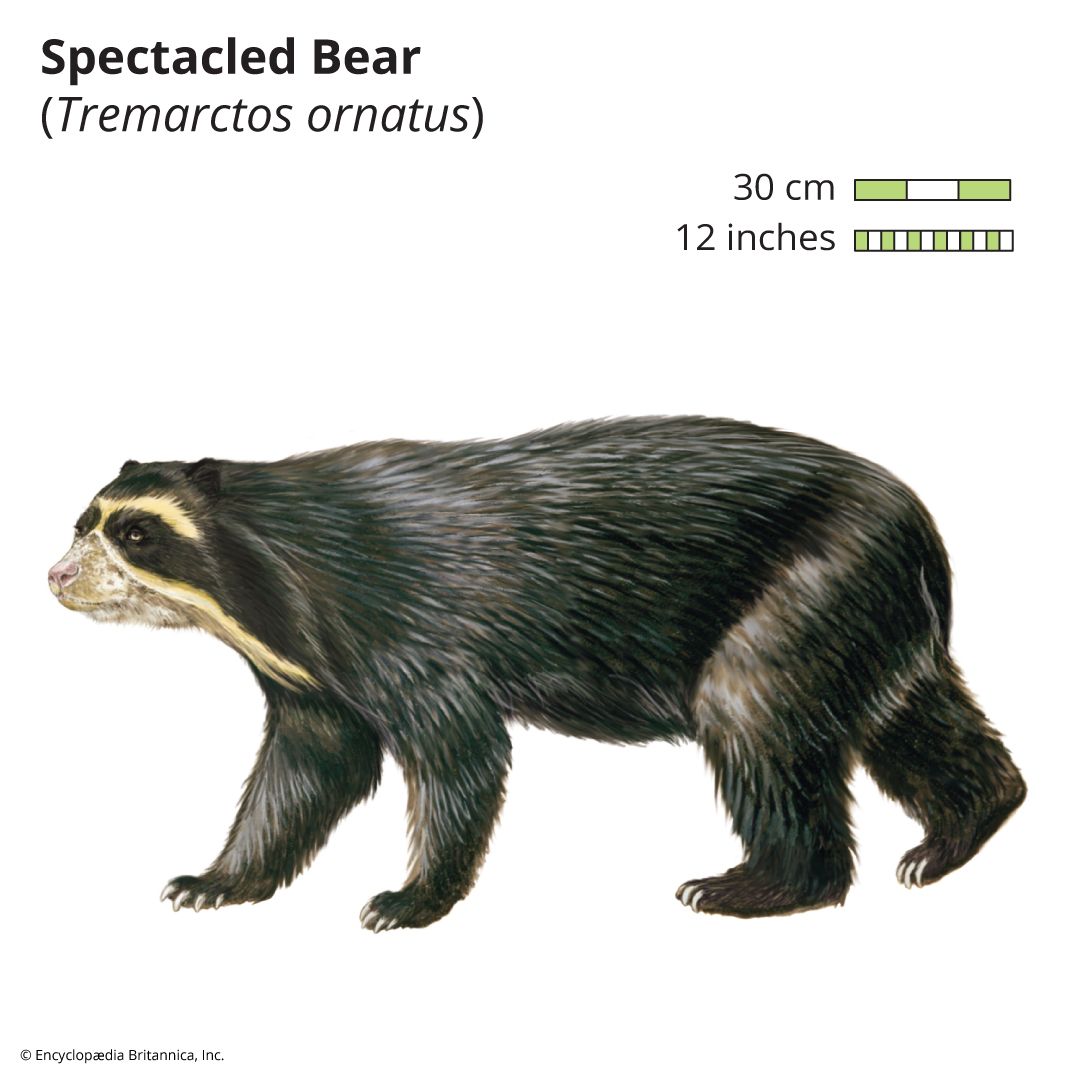
The spectacled bear (Tremarctos ornatus), also known as the Andean bear, is the only bear species native to South America and the only one found south of the Equator1.
Inhabiting the Andes Mountains, these agile climbers are characterized by their shaggy dark brown or black coats and distinctive whitish or yellowish markings around their eyes that resemble “spectacles”. They primarily consume fruit and shoots.12
Currently classified as a vulnerable species by the International Union for Conservation of Nature, their populations face significant threats from habitat loss due to mining, pollution, and climate change. Additionally, they are often killed by ranchers in retaliation for alleged attacks on livestock. Protecting these unique animals is an essential ethical responsibility to preserve biodiversity in the Andean ecosystem.1
What other bear species live in the wild today?
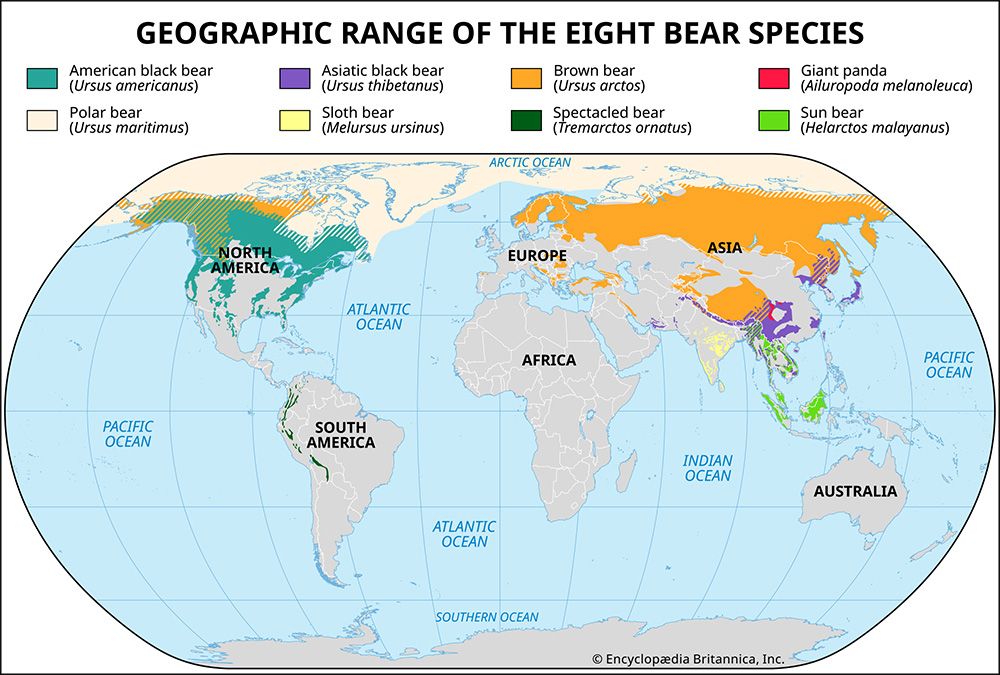
There are eight extant species of bear (family Ursidae) living in the wild today. In addition to the spectacled bear, the other seven species are:
- American black bear (Ursus americanus)
- Asiatic black bear (Ursus thibetanus)
- Brown bear (Ursus arctos), which includes subspecies such as the grizzly bear and the Kodiak bear
- Giant panda (Ailuropoda melanoleuca)
- Polar bear (Ursus maritimus)
- Sloth bear (Melursus ursinus)
- Sun bear (Helarctos malayanus)3
Most of these species are currently classified as vulnerable by the International Union for Conservation of Nature, primarily due to habitat loss and human conflict. Only the American black bear and the brown bear are currently considered species of least concern.4
How does the Andes mountain environment affect the bear’s survival?
The Andes Mountains environment plays a critical role in the survival of the spectacled bear. As an agile climber, the bear relies on the region’s forested areas for shelter and food, primarily consuming shoots and fruit found within these ecosystems.1
However, the mountain environment is increasingly challenging for the species due to both natural and human-induced factors:
- Climate Change: Warming temperatures are forcing the bear’s habitat to shift upslope, effectively shrinking the available range for the species.1
- Human Encroachment: The expansion of mining, pollution, and the illegal coca trade has led to significant habitat fragmentation.1
- Human-Wildlife Conflict: Because the bears sometimes prey on livestock, they frequently come into conflict with local ranchers, leading to retaliatory killings that threaten their survival.12
The International Union for Conservation of Nature classifies the spectacled bear as a vulnerable species, highlighting the urgent need to protect these unique mountain environments to ensure the species’ future.12
What are some conservation efforts to protect vulnerable species?
Conservation efforts to protect vulnerable species involve a multifaceted approach aimed at reducing threats and preserving biodiversity. Key strategies include:
- Habitat Protection and Restoration: Conservationists prioritize protecting large areas capable of housing viable populations, such as national parks and forest reserves10. When habitats are destroyed, restoration efforts—such as removing invasive species, reintroducing native plants, and managing natural fire regimes—are essential to recover ecological balance.101112
- Species Interventions: For species at high risk of extinction, “protective custody” in zoos or botanic gardens can provide a refuge. These programs often include captive breeding to maintain genetic diversity, with the ultimate goal of releasing individuals back into the wild.13
- Legal and International Regulation: Laws like the Endangered Species Act make it illegal to harm protected species. Internationally, the Convention on International Trade in Endangered Species (CITES) regulates or prohibits the commercial trade of threatened plants and animals to prevent overexploitation.141516
- Transfrontier Conservation: Linking reserves across national borders creates large international areas that allow migratory animals a wider range of movement, as seen in the Great Limpopo Transfrontier Park.10
Sources
- spectacled bear — Encyclopædia Britannica
- spectacled bear — Merriam-Webster
- List of bears — Encyclopædia Britannica
- bear - Conservation status — Encyclopædia Britannica
- bear - Natural history — Encyclopædia Britannica
- artiodactyl - Annotated classification — Encyclopædia Britannica
- Why Have There Been So Many Bear Attacks in Japan in 2025 and 2026? — Encyclopædia Britannica
- South America - The high Andes — Encyclopædia Britannica
- Exploring 7 of Earth’s Great Mountain Ranges - Andes — Encyclopædia Britannica
- conservation - Preventing the loss of biodiversity — Encyclopædia Britannica
- Africa - Conservation of Africa — Encyclopædia Britannica
- conservation - Habitat restoration — Encyclopædia Britannica
- conservation - Protective custody — Encyclopædia Britannica
- Convention on International Trade in Endangered Species — Encyclopædia Britannica
- endangered species - CITES — Encyclopædia Britannica
- conservation - Protecting species — Encyclopædia Britannica
Published on · 3 min read