Why Do Raspberries Have Little Hairs?
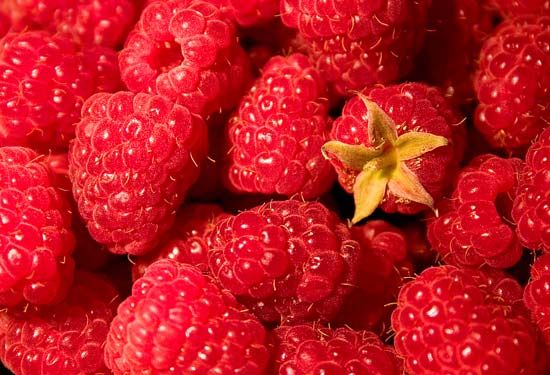
The small, hair-like projections visible on a raspberry are actually the remnants of the flower's styles. During the pollination process, these structures…
Why do raspberries have little hairs?
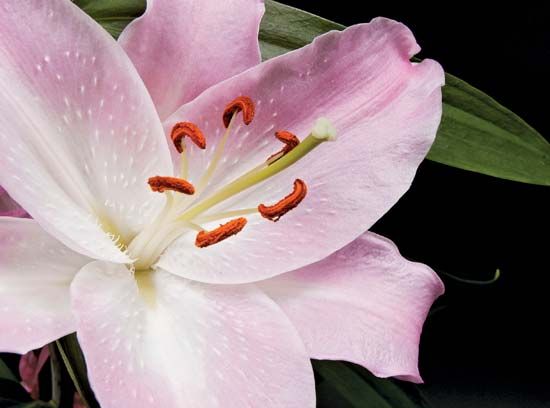
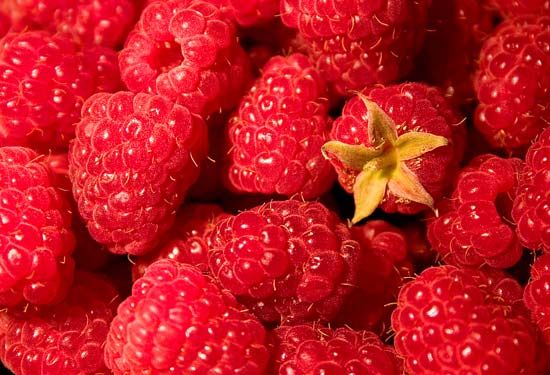
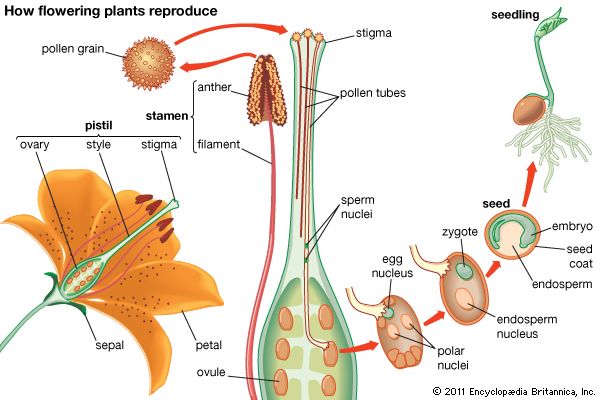
The small, hair-like projections visible on a raspberry are actually the remnants of the flower’s styles. During the pollination process, these structures serve as channels to direct pollen to the ovaries. While other parts of the flower typically wither and fall away as the fruit matures, the styles often persist, remaining on the surface of the individual drupelets that make up the aggregate fruit.1
It is important to distinguish these remnant styles from the specialized plant hairs known as trichomes, which are responsible for the fuzz on peaches or the bristles on kiwis. While raspberries do possess microscopic trichomes that create a subtle haze, the prominent hairs you see are strictly the leftover components of the flower’s reproductive anatomy.1
What is the difference between an aggregate fruit and a simple fruit?
In botany, the primary difference between a simple fruit and an aggregate fruit lies in the number of carpels and the specific floral structures from which they develop.34
Simple Fruits
A simple fruit develops from a single ovary of an individual flower. This ovary may consist of a single carpel or several fused carpels. Examples of simple fruits include:53
- Drupes: Fleshy fruits with a stony endocarp, such as peaches, cherries, and olives.53
- Berries: Fleshy fruits that are typically many-seeded, such as tomatoes and grapes.34
- Dry fruits: Such as legumes (beans) or nuts.34
Aggregate Fruits
An aggregate fruit forms from a single flower that contains multiple, separate carpels (an apocarpous gynoecium). Each of these individual carpels develops into a small fruitlet, and together they form a single unit. Common examples include:34
- Raspberries and Blackberries: These are aggregates of tiny drupelets, rather than true berries.54
- Strawberries: These are aggregate fruits where the individual “seeds” on the surface are actually small, dry fruits called achenes borne on a fleshy receptacle.34
How do trichomes protect other types of plants?
Trichomes, or plant hairs, serve as versatile protective structures that help plants survive in diverse environments by providing both physical and chemical defenses.
Environmental Protection
Trichomes play a critical role in regulating a plant’s internal environment, particularly in arid conditions:
- Temperature Regulation: By covering the surface of leaves and stems, trichomes increase the reflection of solar radiation, which lowers the plant’s internal temperature.8
- Water Conservation: These structures help minimize transpiration by keeping the leaf surface cool and shielding it from air currents that would otherwise accelerate evaporation.89
- Resource Absorption: In some species, such as epiphytic bromeliads, specialized foliar trichomes are used to absorb water and minerals directly from the air.8
- Salt Management: Plants in high-salt environments may utilize salt-secreting trichomes to prevent the toxic accumulation of salt within their tissues.8
Defense Against Herbivores
Trichomes also act as a primary line of defense against predation:
- Physical Deterrence: A dense covering of trichomes can make it difficult for small insects to browse on a plant. In some cases, these structures can even impale or eviscerate small pests.10
- Chemical Defense: Many plants possess glandular trichomes that secrete oils, resins, or digestive juices. Some, like the stinging nettle, use trichomes to inject toxins into herbivores, causing pain or even nerve damage.810
- Insect Trapping: In certain insectivorous plants, trichomes are adapted to assist in the trapping and digestion of insects to supplement the plant’s nutrient intake.8
Why do blackberries leave their core behind when picked?
Actually, blackberries do not leave their core behind when picked; rather, the core remains attached to the fruit. The confusion often arises from comparing them to raspberries, which are also aggregate fruits made of tiny drupelets but have a different structural attachment.1112
When you pick a raspberry, the fruit detaches from the plant’s receptacle, leaving the core behind on the stem, which results in a hollow center in the fruit. In contrast, the drupelets of a blackberry remain firmly attached to a juicy, edible white core when harvested. This structural difference is a key botanical feature used to distinguish the two fruits, even though both belong to the genus Rubus and are commonly, though technically incorrectly, referred to as berries.1211
Sources
- Why do raspberries have little hairs? — Encyclopædia Britannica
- Raspberry — Encyclopædia Britannica
- Drupe — Encyclopædia Britannica
- Angiosperm - Fruits — Encyclopædia Britannica
- Fruit - Types of fruits — Encyclopædia Britannica
- Fruit — Encyclopædia Britannica
- The Parts of the Fruit: Seed, Pericarp, and More | Ovary — Merriam-Webster
- Angiosperm - Dermal tissue — Encyclopædia Britannica
- Botanical Barbarity: 9 Plant Defense Mechanisms — Encyclopædia Britannica
- Transpiration — Encyclopædia Britannica
- Angiosperm - The receptacle — Encyclopædia Britannica
- Blackberry — Encyclopædia Britannica
Published on · 3 min read