Anthropocene Epoch
The debate over formally recognizing the Anthropocene as a new geologic epoch centers on whether human impact on Earth has reached a scale sufficient to…
How do scientists debate the formal recognition of the Anthropocene as a new geological epoch?
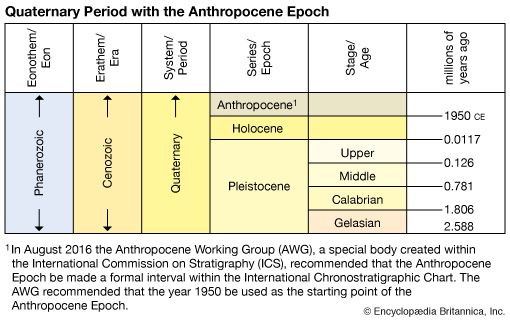
The debate over formally recognizing the Anthropocene as a new geologic epoch centers on whether human impact on Earth has reached a scale sufficient to warrant a formal addition to the International Chronostratigraphic Chart.12
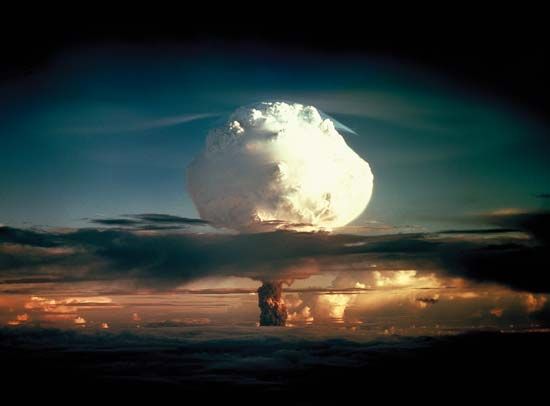
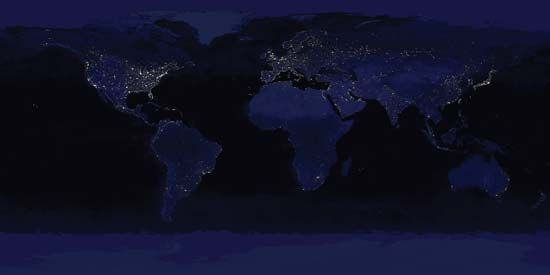
Proponents, including the Anthropocene Working Group (AWG), argue that human activities—such as nuclear fallout, rising greenhouse gases, and land-use changes—have fundamentally altered Earth’s systems, with 1950 proposed as a potential start date marked by a “golden spike” or Global Stratotype Section and Point (GSSP). They suggest that formalization would heighten awareness of human-driven environmental damage.12
Conversely, critics argue that the Holocene Epoch already accounts for human emergence and that declaring a new epoch is premature, as the long-term geological effects of human activity remain to be seen. Some geologists fear that replacing or subdividing the Holocene could disrupt existing research and nomenclature. Ultimately, the decision rests with the International Commission on Stratigraphy and the International Union of Geological Sciences, which require rigorous stratigraphic evidence to ratify any new interval.12
How might the Anthropocene affect biodiversity and species extinction rates?
The Anthropocene is characterized by a dramatic acceleration in biodiversity loss and species extinction, with current rates estimated to be 100 to 10,000 times higher than the natural background extinction rate. Scientists increasingly refer to this period as the sixth mass extinction, noting that the pace of decline is comparable to major prehistoric extinction events.6789
This crisis is driven by several human-induced factors:
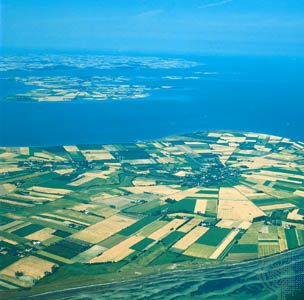
- Habitat Loss and Fragmentation: The conversion of forests, wetlands, and grasslands into agricultural and urban land is the primary driver of extinction, depriving species of essential living space and resources.67
- Climate Change: Anthropogenic global warming is outpacing the ability of many species to adapt, forcing migrations and threatening ecosystems.67
- Overexploitation: The unsustainable harvesting of game, fish, and other organisms often exceeds the capacity for populations to recover.67
- Invasive Species and Pollution: Human activities facilitate the spread of non-native species that disrupt ecosystems and introduce pollutants that cause reproductive failure or death in native populations.67
These changes are expected to leave a permanent “fossil signature” in the geological record, marked by stark differences between preindustrial and modern fossil assemblages.9
When did the Anthropocene Epoch begin, and what are the proposed starting dates?
The Anthropocene Epoch is currently an unofficial interval of geologic time used to describe the period in which human activity has significantly altered Earth’s systems. Because it is not yet formally recognized, there is considerable scientific debate regarding its definitive start date.122
Proposed starting points include:
- 14,000 years ago: Linked to the extinction of large Pleistocene mammals.2
- 10,000–15,000 years ago: Associated with the rise of agriculture, though this overlaps with the beginning of the Holocene Epoch.2
- 1784 or 1800: Tied to the Industrial Revolution and the development of the steam engine, which accelerated fossil-fuel use.2
- 1945: Marked by the first significant appearance of human-generated radioactive particles in the geologic record and the onset of the “Great Acceleration”.2
- 1950: Recommended by the Anthropocene Working Group in 2016, this date is favored because plutonium isotopes from nuclear testing provide a clear, global signal in rock strata.21
How does the concept of the Anthropocene relate to climate change and global warming?
The Anthropocene Epoch is defined by the profound impact of human activity on Earth’s systems, with climate change serving as a central pillar of this transformation. While the epoch remains an unofficial interval of geologic time, it marks the period in which human actions—specifically the combustion of fossil fuels and widespread deforestation—have fundamentally altered the atmosphere and global temperature patterns.2131415
The relationship between the two concepts is driven by the following factors:
- Greenhouse Gas Accumulation: Since the Industrial Revolution, human activities have significantly increased the concentration of carbon dioxide and other greenhouse gases. This accumulation has led to a global rise in average surface temperatures, which climatologists identify as clear evidence of human-induced climate change.151316
- Systemic Earth Alteration: The Anthropocene represents a shift where human influence rivals natural geological forces. Beyond warming, this includes ocean acidification caused by the absorption of excess atmospheric CO2, as well as the loss of sea ice and the retreat of glaciers.13
- Geological Evidence: The formalization of the Anthropocene hinges on whether these human-driven changes—including the chemical signatures of climate change—are substantial enough to be permanently captured in rock strata.13
Sources
- The Anthropocene Epoch: Adding Humans to the Chart of Geologic Time — Encyclopædia Britannica
- Anthropocene Epoch — Encyclopædia Britannica
- Pleistocene Epoch - Pliocene–Pleistocene boundary — Encyclopædia Britannica
- stratigraphy — Encyclopædia Britannica
- geologic time — Encyclopædia Britannica
- biodiversity loss - Human-driven biodiversity loss — Encyclopædia Britannica
- Major Mass Extinctions — Encyclopædia Britannica
- Postcards from the 6th Mass Extinction — Encyclopædia Britannica
- extinction — Encyclopædia Britannica
- hydrosphere - Buildup of greenhouse gases — Encyclopædia Britannica
- Anthropocene Epoch - Evidence in layers of rock — Encyclopædia Britannica
- Anthropocene Epoch - When did the Anthropocene begin? — Encyclopædia Britannica
- Climate change - Human activities — Encyclopædia Britannica
- Anthropocene Epoch - The scale of human activity — Encyclopædia Britannica
- Greenhouse gas - Carbon dioxide — Encyclopædia Britannica
- Anthropocene — Merriam-Webster
Published on · 4 min read