Salt Marsh
A salt marsh is a type of low-lying, poorly drained wetland ecosystem characterized by flat terrain that is subject to daily or occasional flooding by salt…
What is Salt marsh?
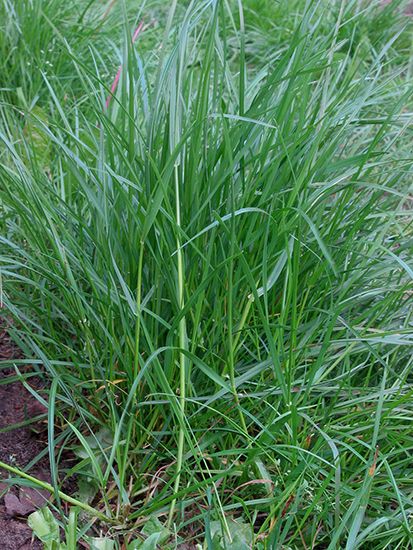
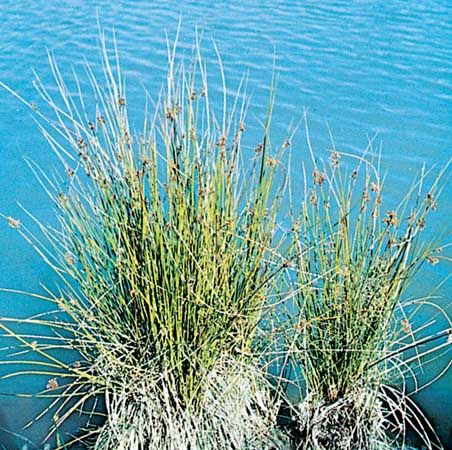
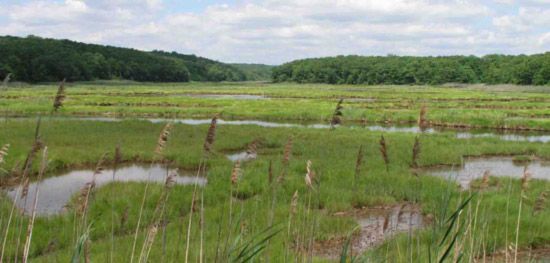
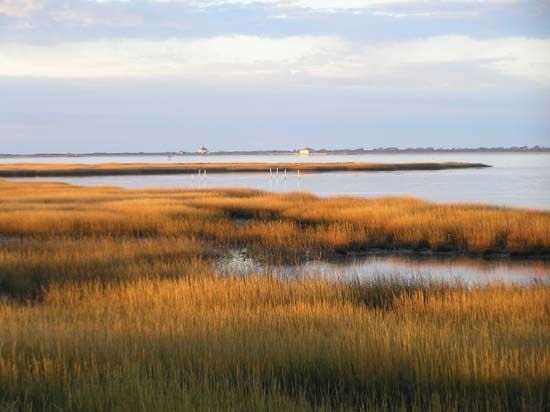
A salt marsh is a type of low-lying, poorly drained wetland ecosystem characterized by flat terrain that is subject to daily or occasional flooding by salt water or brackish water. These areas are typically found along protected seacoasts, within estuaries, and on deltas, where they are covered by a dense mat of halophytic vegetation, such as grasses, sedges, and rushes.123
Salt marshes are among the most productive natural systems on Earth, with some stands of vegetation achieving growth rates comparable to high-yield agriculture. The animals inhabiting these marshes, including various invertebrates and crustaceans like fiddler crabs, have evolved specialized adaptations to survive in environments with fluctuating salinity and limited oxygen. While they provide vital habitats and serve as important carbon sinks, they are distinct from swamps, which are dominated by trees rather than grasses.314
How do halophytic plants survive in high-salinity environments?
Halophytic plants have evolved specialized mechanisms to survive in high-salinity environments where high salt concentrations typically inhibit plant growth by causing dehydration and preventing water uptake through osmosis.15
Key survival strategies include:
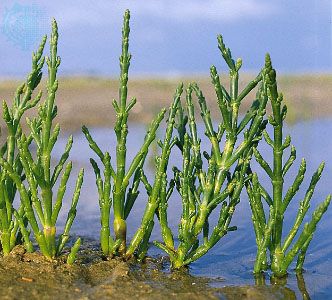
- Salt Accumulation: Some plants, such as glassworts, tolerate high salinity by actively accumulating salts within their stems and leaves, which helps them maintain internal water balance.1
- Salt Excretion: Certain plants possess specialized structures known as salt glands, which are capable of excreting concentrated salt solutions to manage internal ion levels.6
- Xerophytic Adaptations: Because saline habitats are often “physiologically dry,” many halophytes function as xerophytes. They employ mechanisms to prevent water loss, such as developing waxy leaf coatings, thick fleshy tissues for water storage (succulence), or dense, hairy leaf coverings that reduce sunlight absorption and transpiration.7
These adaptations allow halophytes to thrive in environments like salt marshes, where other plants would struggle to extract water from the soil due to the osmotic pressure exerted by dissolved salts.185
What is the difference between a salt marsh and a swamp?
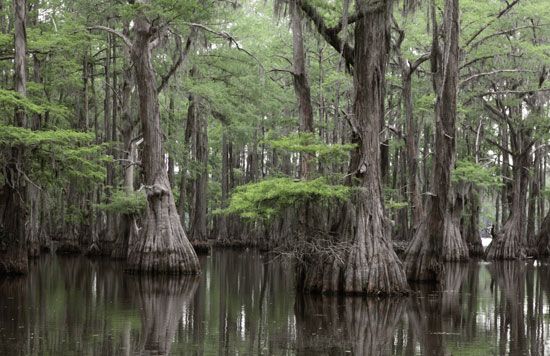
The primary difference between a marsh and a swamp lies in their dominant vegetation: marshes are characterized by plant life dominated by grasses, sedges, and rushes, whereas swamps are dominated by trees.31
While both are wetland ecosystems that typically feature poorly drained mineral soils and waterlogged conditions, they differ in their biological composition and environmental structure:31
- Vegetation: Marshes are defined by herbaceous plants, such as grasses and reeds, which bind mud and stabilize the landscape. Swamps are defined by woody vegetation, including trees like willows, maples, and bald cypress, which often develop shallow, spreading root systems due to low oxygen levels in the soil.31
- Water Characteristics: In many swamps, the decomposition of organic matter in slow-moving, low-oxygen water leads to an accumulation of tannins and humates, often resulting in water that appears dark, like tea or coffee.1
- Saline Variations: Both systems can be influenced by salinity. Salt marshes are intertidal areas dominated by halophytic grasses. Conversely, salt swamps are often characterized by mangrove forests in tropical and subtropical regions.111
How do fiddler crabs and other animals adapt to changing water levels?
Animals in dynamic environments like salt marshes and estuaries have evolved diverse strategies to cope with fluctuating water levels and changing salinity.
For many invertebrates, the primary challenge is managing osmotic balance when exposed to varying salt concentrations. Fiddler crabs, for instance, have developed the ability to control their internal osmotic concentration, allowing them to survive in fresh water for several days. This process is supported by complex physiological systems, including osmoregulation managed by the brain, gills, and antennal glands. Similarly, anadromous fish often pause in brackish waters during migration to allow their bodies time to adjust their osmotic regulating systems before moving between salt and fresh water.11314
Other animals use behavioral or structural adaptations to survive:
- Avoidance: Many insects avoid saltwater immersion by climbing plants or flying away.1
- Sheltering: Worms often hide in the mud to wait out the influx of fresh water from rain.1
- Respiration: Rat-tailed maggots use a telescoping breathing tube to reach the surface for air, while other larvae utilize air spaces within plants.1
Sources
- Salt marsh — Encyclopædia Britannica
- salt marsh — Merriam-Webster
- Marsh — Encyclopædia Britannica
- saltwater intrusion — Encyclopædia Britannica
- Biosphere - Salinity — Encyclopædia Britannica
- land reclamation - Reclamation of salt-affected soils — Encyclopædia Britannica
- salt gland — Merriam-Webster
- salinity — Encyclopædia Britannica
- Xerophyte — Encyclopædia Britannica
- sodium - Biological properties — Encyclopædia Britannica
- Swamp — Encyclopædia Britannica
- Wetland - Salt marshes — Encyclopædia Britannica
- estuary - Salt wedge estuaries — Encyclopædia Britannica
- clupeiform - Physiology — Encyclopædia Britannica
- Endocrine system - Osmoregulation — Encyclopædia Britannica
Published on · 3 min read