Swamp
Humans have historically relied on wetlands for essential resources, including food, timber, and materials for construction, such as thatch for roofs and…
How have humans historically used and impacted swamp and wetland areas?
Humans have historically relied on wetlands for essential resources, including food, timber, and materials for construction, such as thatch for roofs and fences. Ancient civilizations, including those in Mesopotamia, Egypt, and the Aztec empire, developed sophisticated water management systems to utilize these areas.12
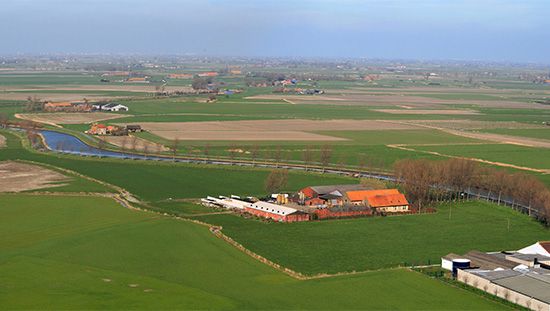
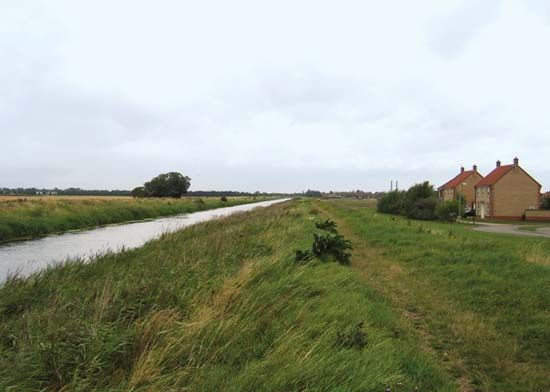
However, human impact has frequently been destructive. For millennia, people have drained, diked, and filled wetlands to create agricultural land and accommodate urban expansion. This practice, known as land reclamation, involves complex drainage systems—such as ditches, tile lines, and levees—to remove water. These activities have led to significant habitat loss, soil subsidence, and the disruption of vital ecosystem services like water filtration and flood control. Furthermore, human-induced disturbances include logging, mining, pollution from agricultural runoff, and the introduction of invasive species, all of which threaten biodiversity.2341
Recognizing these impacts, modern conservation efforts now prioritize the protection and restoration of these ecosystems to mitigate climate change and preserve natural resources.12
What are some of the most important plants and animals found in swamp ecosystems?
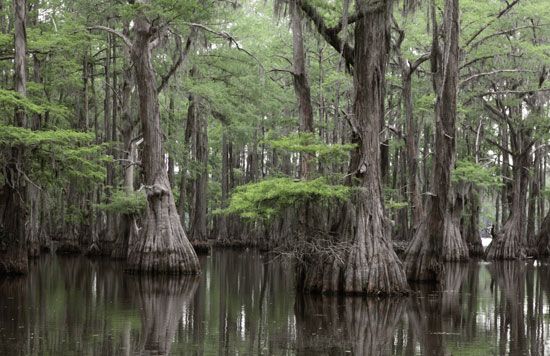
Swamp ecosystems are defined by their waterlogged soils and are typically dominated by trees, which distinguishes them from marshes. The flora and fauna found in these environments are highly adapted to these specific conditions.7
Flora
Plant diversity in swamps is often limited by the stress of water saturation, which restricts root depth and oxygen availability. Common species include:7
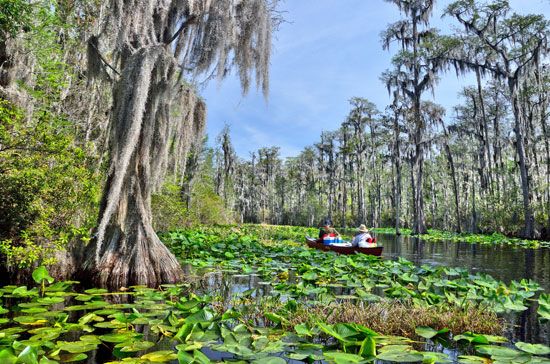
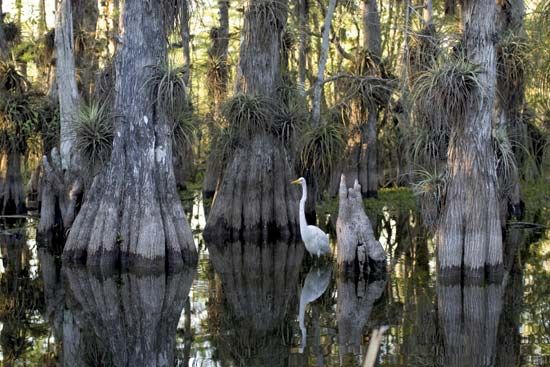
- Trees: The bald cypress is a hallmark of many swamps, often featuring buttressed roots for stability. Other common trees include willows, alders, maples, and various palms in tropical regions.78
- Mangroves: In coastal areas, mangrove forests thrive in saline conditions, with tangled root systems that provide critical habitat.78
- Aquatic and Epiphytic Plants: Cattails and reeds are widespread, while trees often host epiphytes like ferns, bromeliads, and orchids.78
Fauna
Animal life in swamps is largely influenced by the available plant structure and water conditions.7
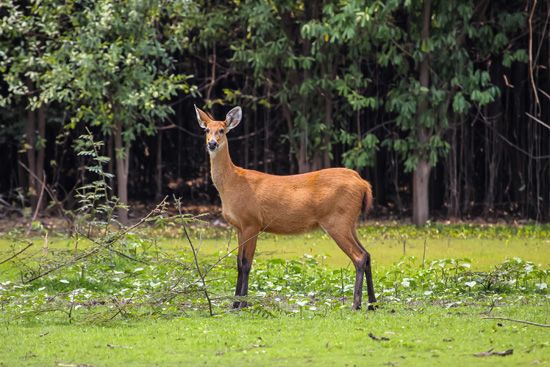
- Large Mammals: Iconic species include the Florida panther, black bears, and white-tailed deer8.
- Reptiles and Amphibians: The American alligator is a prominent predator, while turtles and various amphibians are common.89
- Birds and Invertebrates: Swamps serve as havens for wading birds like egrets, herons, and wood storks. Insects, including mosquitoes, play a vital role in the food web as both pollinators and prey for fish, bats, and birds.89
What are the key characteristics that define a swamp or wetland ecosystem?
A wetland is a complex ecosystem defined primarily by the flooding or saturation of soil, which creates an environment where oxygen is limited. These conditions favor a specialized assemblage of plants, animals, and microbes adapted to standing or sluggishly moving water.1011
Key Characteristics
- Hydrology: The defining feature is the “water signature” or hydroperiod—the timing, duration, and quantity of water. Whether permanent or temporary, this water creates an anaerobic (oxygen-depleted) environment in the soil, as atmospheric oxygen cannot be easily replenished.1011
- Soils: Wetland or “hydric” soils form under these saturated conditions. They can be organic (like peat, which accumulates because low oxygen slows decomposition) or mineral-based, often exhibiting distinct colors like gray or blue-green due to chemical reduction processes.7
- Vegetation: Plant life is highly specialized to tolerate waterlogged conditions. While wetlands are broadly categorized into types like bogs, marshes, and swamps, the specific vegetation often dictates the classification.11
Distinguishing Swamps
A swamp is a specific type of wetland characterized by:
- Dominant Vegetation: Unlike marshes, which are dominated by grasses, swamps are defined by the presence of trees or woody vegetation.1213
- Mineral Soils: Swamps typically feature mineral soils with poor drainage and a sufficient supply of minerals to support decay, preventing the massive accumulation of organic peat found in bogs.12
- Topography: They are often found in low-relief regions, such as floodplains or abandoned river channels, where water remains stagnant or flows slowly.12
How might climate change affect the future of swamp and wetland ecosystems?
Climate change poses significant, multifaceted threats to the future of swamp and wetland ecosystems, primarily by altering the hydrological patterns that sustain them. Because these ecosystems depend on specific water signatures—the timing, duration, and quantity of water—shifts in precipitation and temperature can lead to dramatic changes in their structure and function.14
Hydrological Shifts
- Drying and Expansion: Wetlands fed by surface water from rivers and lakes are highly vulnerable to drier climates, which can cause them to diminish or disappear. Conversely, in areas where conditions become wetter, some wetlands may expand, provided they are not restricted by human infrastructure or steep topography.1
- Snowmelt Dependency: River systems reliant on snowmelt are particularly at risk, as the seasonal pulse of water essential for the growing season may decrease or vanish entirely.1
- Coastal Inundation: As global temperatures rise and sea levels increase, coastal wetlands face greater inundation. While some may migrate inland, this is often prevented by human-built barriers or unfavorable terrain.1
Carbon Feedback Loops
Wetlands act as critical carbon sinks, storing 15–30 percent of the world’s soil carbon. However, warming temperatures threaten to turn these sinks into sources. If peatlands and other organic-rich soils begin to decompose due to heat, they will release stored carbon dioxide and methane, potentially accelerating global warming.1
Biodiversity and Adaptation
While plant communities have historically adapted to climate shifts, the current rate of anthropogenic change is unprecedented. This acceleration is expected to trigger unforeseen plant migrations, increased invasions by non-native species, and the decline of sensitive organisms. For example, migratory waterfowl that rely on specific wetlands for breeding grounds may face population declines as their habitats dry up.1
Sources
- Wetland - Wetland functions and ecosystem benefits — Encyclopædia Britannica
- land reclamation - Reclamation of swampy lands — Encyclopædia Britannica
- Wetland - Wetland management — Encyclopædia Britannica
- Wetland - Effects of climate change — Encyclopædia Britannica
- Wetland - Disturbances caused by humans — Encyclopædia Britannica
- Wetland - Origin of wetlands — Encyclopædia Britannica
- Swamp — Encyclopædia Britannica
- Big Cypress National Preserve — Encyclopædia Britannica
- mosquito: Top Questions — Encyclopædia Britannica
- Wetland - Climate — Encyclopædia Britannica
- Wetland — Encyclopædia Britannica
- Wetland - Freshwater forested swamps — Encyclopædia Britannica
- Wetland - Soils — Encyclopædia Britannica
- bogs — Merriam-Webster
- Bog — Encyclopædia Britannica
- Carbon sequestration — Encyclopædia Britannica
Published on · 4 min read