Woodruff
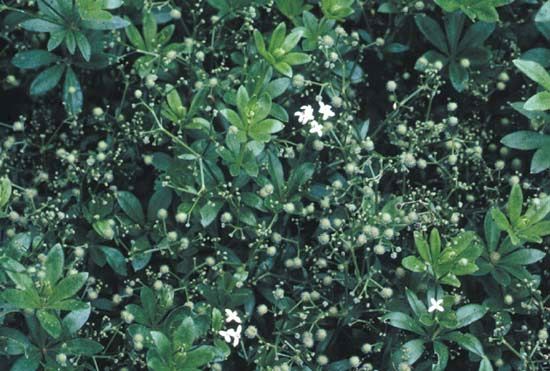
Woodruff refers to various plant species within the genus Asperula, which belongs to the madder family (Rubiaceae). These plants are typically found in the…
What is Woodruff?
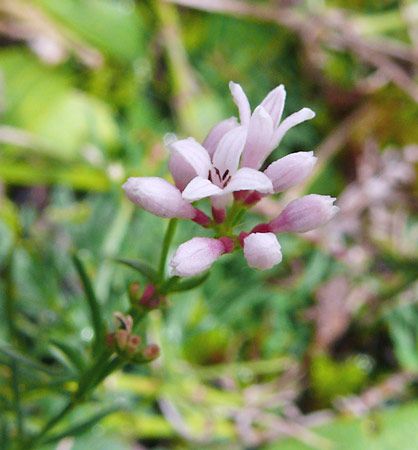
Woodruff refers to various plant species within the genus Asperula, which belongs to the madder family (Rubiaceae). These plants are typically found in the woods and shady regions of Europe and are characterized by their square stems and clusters of small, funnel-shaped flowers.12
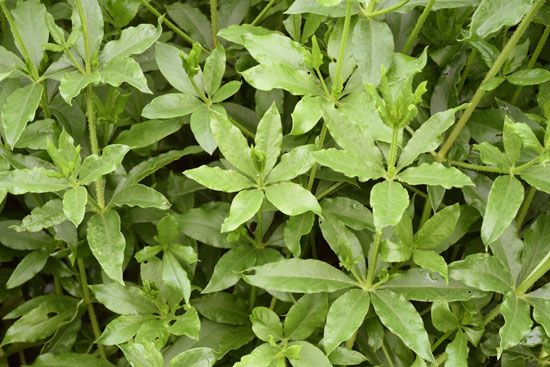
While the genus Asperula includes both annual and perennial varieties, some species are cultivated for ornamental purposes, and their leaves are often utilized as herbs. It is important to note that sweet woodruff (Galium odoratum), which is commonly associated with the name, was formerly classified within the Asperula genus but is now placed in a separate genus.1
What is the madder family of plants?
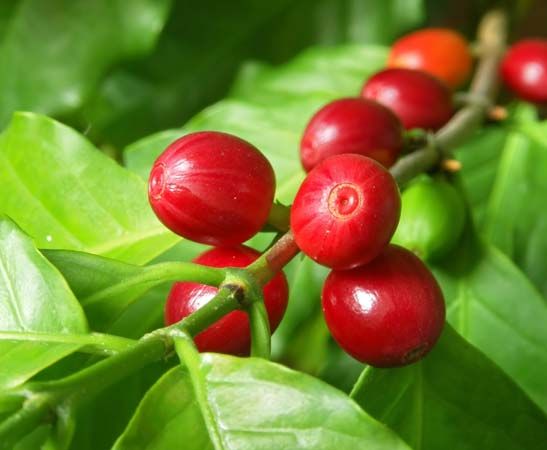
Rubiaceae, commonly known as the madder family, is a diverse group of flowering plants within the order Gentianales. This family comprises 611 genera and over 13,150 species, including a wide variety of herbs, shrubs, and trees primarily distributed in tropical regions.3
Characteristics
Members of the family are typically identified by their opposite, stipulate leaves or leaves arranged in whorls. Their flowers are generally regular, with stamens attached to the corolla tube, and they produce fruits that may be berries, drupes, capsules, or schizocarps.34
Economic and Historical Importance
The family is of significant economic value, providing essential products such as:
- Coffee: Derived from the seeds of Coffea species.3
- Quinine: Extracted from the bark of Cinchona trees.3
- Dyes: The common madder (Rubia tinctorum) was historically vital for producing the red dye alizarin.35
- Medicinal substances: Including ipecac and kratom.3
How is sweet woodruff used in cooking?
Sweet woodruff (Galium odoratum) is a fragrant herb belonging to the madder family. In culinary applications, it is primarily recognized for its use as a flavoring agent for wine.
The plant is known for its sweet scent, which is often utilized to impart a distinct aroma and flavor to beverages. Beyond its role in winemaking, it is also valued for its aromatic properties in perfumery, though its primary food-related application remains the flavoring of specific alcoholic drinks.61
What are the differences between annual and perennial plants?
The primary difference between annual and perennial plants lies in the duration of their life cycles.
Annual Plants
An annual is a plant that completes its entire life cycle within a single growing season.9 During this time, the plant germinates, grows, produces seeds, and dies. The only part of an annual that survives from one season to the next is its dormant seed. Common examples include many cereal grains, lettuce, and garden flowers like marigolds.78
Perennial Plants
A perennial is a plant that persists for several years, regrowing and reblooming year after year. While the aboveground portions of herbaceous perennials may die back in autumn, these plants survive through specialized structures such as bulbs, rhizomes, or tubers that remain dormant underground. All trees and shrubs are perennials, as are many garden favorites like chrysanthemums and peonies.910
In short, if you want plants that return automatically each year, perennials are the standard choice, whereas annuals require replanting every season.9
Sources
- Woodruff — Encyclopædia Britannica
- woodruff — Merriam-Webster
- Rubiaceae — Encyclopædia Britannica
- Rubiaceae — Merriam-Webster
- Madder — Encyclopædia Britannica
- sweet woodruff — Merriam-Webster
- Is That Plant 'Perennial' or 'Annual'? — Merriam-Webster
- Perennial — Encyclopædia Britannica
- Annual — Encyclopædia Britannica
- Growing season — Encyclopædia Britannica
Published on · 2 min read