5 Vertebrate Groups
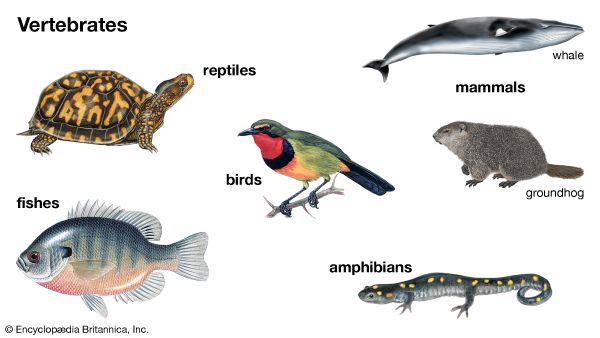
The five main groups of vertebrates alive today are fishes, amphibians, reptiles, birds, and mammals.
What are 5 Vertebrate Groups?
The five main groups of vertebrates alive today are fishes, amphibians, reptiles, birds, and mammals.1
These groups are defined by the presence of a vertebral column, or backbone, which supports the body3. While they share this common structural feature, they exhibit significant diversity in their biology and life histories:
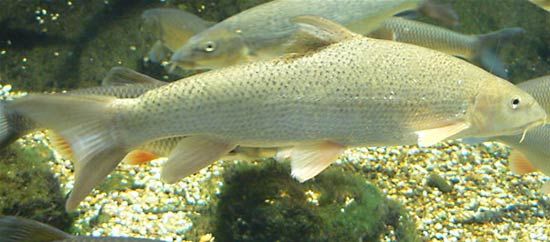
- Fishes: The most diverse group, ranging from jawless species like lampreys to cartilaginous sharks and abundant bony fishes.1
- Amphibians: Known for their “double life,” these animals often transition from aquatic larval stages to terrestrial adult forms.1
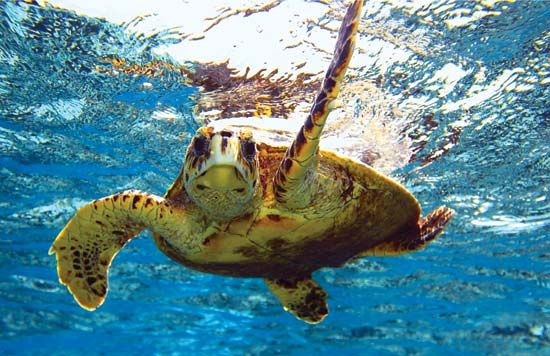
- Reptiles: Air-breathing, cold-blooded vertebrates typically covered in epidermal scales.1
- Birds: Unique among all animals for having feathers, these warm-blooded vertebrates are closely related to reptiles.1
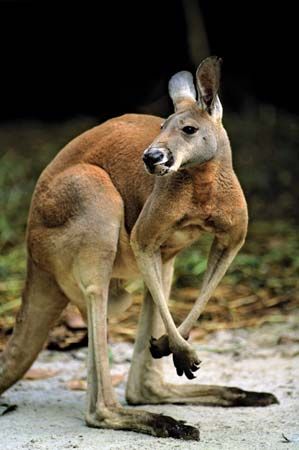
- Mammals: Distinguished by the presence of hair and the nourishment of their young with milk from mammary glands.1
What is the difference between cold-blooded and warm-blooded animals?
The terms “cold-blooded” and “warm-blooded” are often used to describe how animals regulate their body temperature, though scientists prefer more precise terminology because these labels can be misleading.5
Understanding the Terminology
- Ectothermy vs. Endothermy: These terms describe the source of an animal’s heat. Ectotherms (traditionally “cold-blooded”) rely on external sources like sunlight or warm surfaces to regulate their temperature. Endotherms (traditionally “warm-blooded”) generate their own heat through internal metabolic processes.65
- Poikilothermy vs. Homeothermy: These terms describe the stability of body temperature. Poikilotherms have body temperatures that fluctuate with the environment, while homeotherms maintain a relatively constant internal temperature regardless of external conditions.758
Key Differences
- Metabolic Cost: Endothermy is metabolically expensive, requiring high quantities of food to fuel internal heat production. Ectotherms are more energy-efficient and can survive on less food, though they are often limited by environmental temperatures.65
- Regulation: Warm-blooded animals (mammals and birds) use internal sensors and mechanisms like perspiration, shivering, or panting to maintain stability. Cold-blooded animals (reptiles, amphibians, and most fishes) primarily use behavioral thermoregulation, such as moving between sun and shade.5869
How did feathers evolve in dinosaurs before birds existed?
The evolution of feathers predates both birds and flight, originating in simple, filamentous structures made of keratin. Rather than evolving for aerodynamics, these early structures likely served functions such as thermal insulation, camouflage, display, or species recognition.1112131415
Evolutionary Development
Feathers did not arise directly from reptilian scales. Instead, they evolved through the invagination of the epidermis around the base of a dermal papilla. The progression of feather design followed a clear path of increasing complexity:13
- Simple Filaments: The earliest precursors were straight, dense, hair-like filaments.1214
- Branched Structures: Over time, these evolved into branched, downy structures.12
- Complex Forms: Eventually, these resolved into a central stalk (rachis) with vanes, leading to the development of barbs and barbules similar to modern feathers.1214
Evidence suggests that the origin of these structures may even predate dinosaurs, as similar branching structures called pycnofibres have been found in pterosaurs, suggesting a common ancestor over 250 million years ago.12
What are the main differences between placental mammals, marsupials, and monotremes?
Mammals are categorized into three distinct groups based primarily on their reproductive strategies: placental mammals, marsupials, and monotremes.1617
Key Differences in Reproduction
Feature
Monotremes
Marsupials
Placental Mammals
Birth Method
Lay shelled eggs (oviparous).
Give birth to incompletely developed young.
Bear live, relatively advanced young.
Development
Young hatch at an early, altricial stage.
Continue development outside the womb, often in a pouch ([marsupium]).
Develop within the womb supported by a complex [placenta].
Nourishment
Mother provides milk.
Young attach to teats for extended periods.
Placenta facilitates nutrient/waste exchange during gestation.
Distinguishing Characteristics
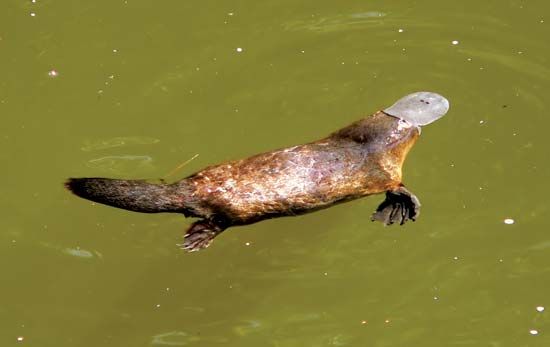
- Monotremes: As the most ancient order, they retain primitive skeletal features, such as specific shoulder girdle structures, and possess a single opening (cloaca) for both reproduction and excretion. They include the platypus and echidnas.19
- Marsupials: While they do possess a placenta, it is less developed and efficient than that of placental mammals, resulting in a much shorter gestation period. Many species use a pouch to shelter their young during the final stages of development.171816
- Placental Mammals: Their defining feature is the true placenta, which allows for a longer, more protected period of intrauterine development. This group represents the vast majority of living mammals.1716
Sources
- Vertebrate: Top Questions — Encyclopædia Britannica
- Vertebrate — Encyclopædia Britannica
- 5 Vertebrate Groups — Encyclopædia Britannica
- Vertebrate - Annotated classification — Encyclopædia Britannica
- Cold-bloodedness — Encyclopædia Britannica
- Why are reptiles cold-blooded? — Encyclopædia Britannica
- Did you know? — Merriam-Webster
- dinosaur - Ectothermy and endothermy — Encyclopædia Britannica
- Thermoreception - Environment and thermoreception — Encyclopædia Britannica
- Warm-bloodedness — Encyclopædia Britannica
- How Do We Know That Dinosaurs May Have Had Feathers? — Encyclopædia Britannica
- Did Dinosaurs Really Have Feathers? — Encyclopædia Britannica
- dinosaur - Dinosaur descendants — Encyclopædia Britannica
- dinosaur: Top Questions — Encyclopædia Britannica
- Bird - The origin of feathers — Encyclopædia Britannica
- mammal - Estrus and other cycles — Encyclopædia Britannica
- mammal — Encyclopædia Britannica
- monotreme — Encyclopædia Britannica
- placental mammal — Encyclopædia Britannica
Published on · 3 min read