Great Indian Bustard
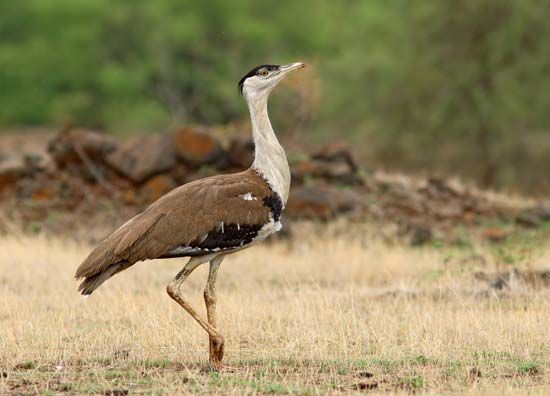
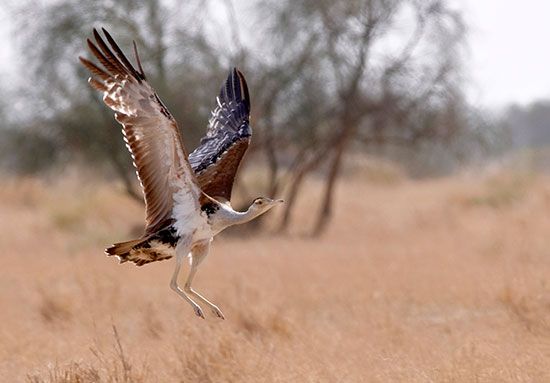
The great Indian bustard is primarily found on the Indian subcontinent, with its largest remaining population concentrated in the Indian state of Rajasthan.…
Where is the great Indian bustard found, and what is its preferred habitat?
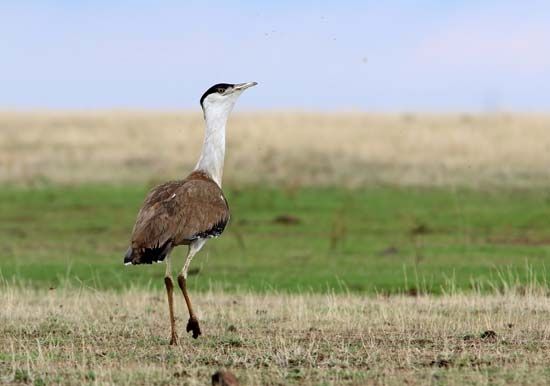
The great Indian bustard is primarily found on the Indian subcontinent, with its largest remaining population concentrated in the Indian state of Rajasthan. Small, isolated populations also exist across the border in Pakistan.12
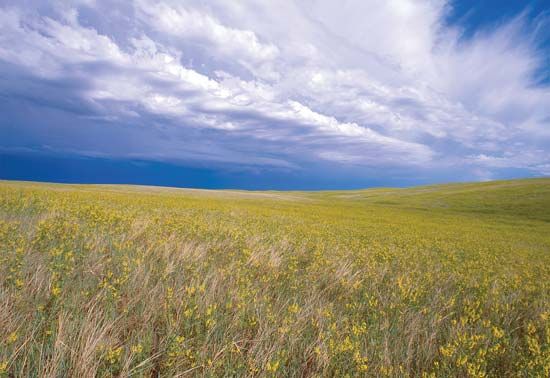
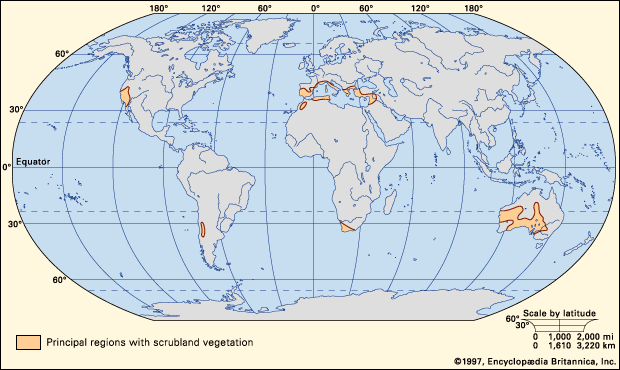
The species’ preferred habitat consists of dry grasslands and scrublands. These birds are ground nesters, typically creating simple nests in soil depressions located in open, low-lying croplands, grasslands, or rocky terrain.12
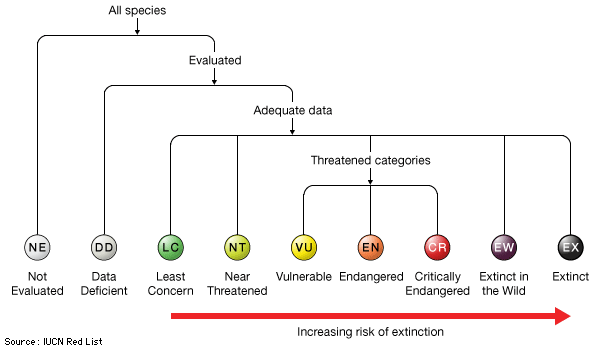
Unfortunately, the species is critically endangered due to significant habitat loss and fragmentation caused by human activities such as mining, road construction, and the conversion of traditional croplands into intensive agricultural fields. Protecting these fragile ecosystems is essential for the survival of the species, as they face ongoing threats from landscape modification and accidental collisions with infrastructure.21
What role does the great Indian bustard play in its ecosystem?
The great Indian bustard plays a significant role in its ecosystem as an opportunistic omnivore, helping to regulate populations of various organisms within the dry grasslands and scrublands of the Indian subcontinent.1
By feeding on a diverse range of food sources, the bird acts as a natural control agent for several species:
- Invertebrate Control: During the summer monsoon season, their diet consists largely of insects, including locusts, crickets, and beetles. By consuming these, they help manage insect populations in their habitat.1
- Generalist Foraging: They also prey on arthropods, worms, small mammals, and small reptiles, contributing to the balance of these smaller animal groups.1
- Seed Consumption: During drier months, they shift their diet toward seeds, including those from native grasses and crops like wheat and peanuts.1
While they are apex-level ground birds with few natural enemies, they serve as a vital component of the grassland food web. Their survival is currently threatened by habitat loss and human-induced changes to the landscape.21
How has climate change affected the great Indian bustard’s population and habitat?
The provided search results do not contain specific information regarding the direct impact of climate change on the great Indian bustard’s population or habitat.
While the literature notes that the species is critically endangered primarily due to habitat loss, landscape fragmentation from road-building and mining, and conversion of traditional croplands into intensive agricultural fields, these factors are attributed to human development and land-use changes rather than climate change. Although climate change is recognized as a broader challenge for pastoral communities and savanna ecosystems in India, the specific link to the bustard’s population dynamics is not detailed in the available data.1234
What are the main threats to the great Indian bustard’s survival?
The great Indian bustard faces severe threats to its survival, primarily driven by human activity and environmental changes. With only about 150 individuals remaining, the species is classified as critically endangered.12
The primary threats include:
- Habitat Loss and Degradation: Approximately 90 percent of the species’ natural range has been lost or fragmented due to road-building, mining, and the conversion of traditional grasslands into intensive agricultural fields, such as sugarcane and cotton plantations.2
- Infrastructure Collisions: Due to poor frontal vision, these heavy birds frequently collide with overhead power lines, which is a significant cause of mortality.1
- Reproductive Risks: As ground nesters, their eggs are highly vulnerable to being trampled by grazing cattle. Additionally, eggs and chicks face predation from foxes, mongooses, monitor lizards, and feral dogs.12
- Direct Exploitation: Hunting and poaching continue to contribute to the decline of adult populations.25
These pressures, combined with the species’ naturally low reproductive rate, have left the population in a precarious state.2
Sources
- 10 Critically Endangered Animals of India - Great Indian bustard ( Ardeotis nigriceps ) — Encyclopædia Britannica
- great Indian bustard — Encyclopædia Britannica
- Savanna - Threats — Encyclopædia Britannica
- pastoral communities in India: Top Questions — Encyclopædia Britannica
- Great bustard: Top Questions — Encyclopædia Britannica
Published on · 3 min read