Ponderosa Pine
The ponderosa pine (Pinus ponderosa) is a large conifer native to western North America, ranging from British Columbia to Mexico. It is the most widely…
What is Ponderosa pine?
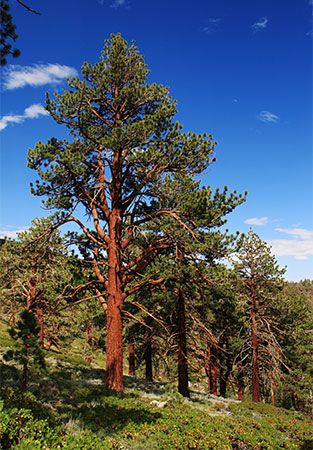
The ponderosa pine (Pinus ponderosa) is a large conifer native to western North America, ranging from British Columbia to Mexico. It is the most widely distributed pine in North America and serves as a vital component of forest ecosystems.1
Physical Characteristics
These trees can reach heights of 45 to 60 meters (148 to 197 feet) and live up to 600 years. They are characterized by needles clustered in groups of three and thick, fragrant bark that turns a cinnamon or orange shade with age. This bark helps protect the tree from wildfires1.12
Importance and Uses
The ponderosa pine is highly valued for its soft, straight-grained wood, which is a major source of lumber for furniture and construction. Additionally, the tree has a long history of use by Indigenous peoples for food, medicine, and ceremonial purposes. It also provides essential habitat and food for various wildlife, including squirrels and wild turkeys.1
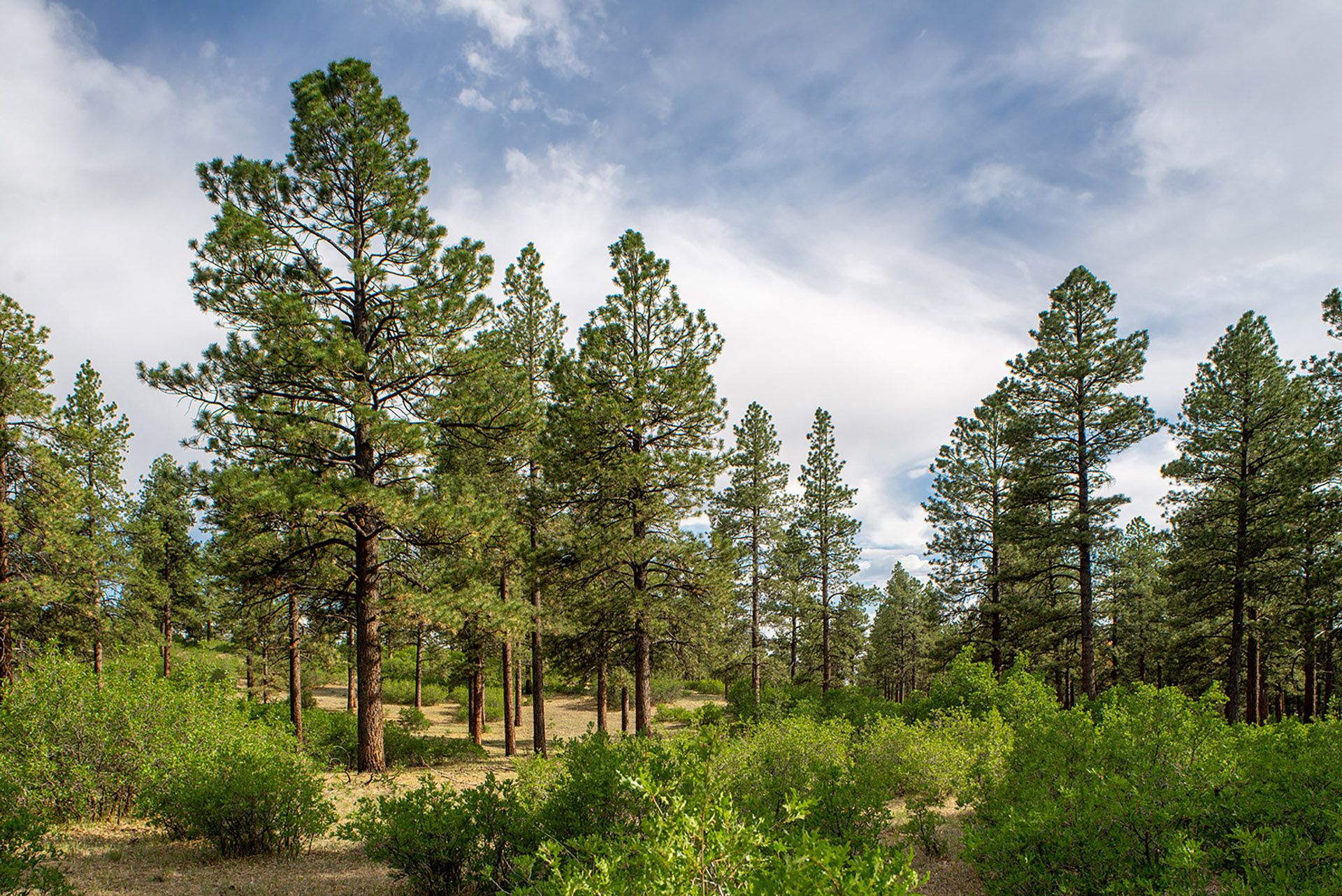
How does the Ponderosa pine’s bark protect it from wildfires?
The Ponderosa pine (Pinus ponderosa) is uniquely adapted to survive wildfires through its specialized bark, which acts as a form of thermal insulation.13
This thick, fire-retardant bark protects the tree’s vital living tissues from the intense heat of a blaze. In addition to this physical barrier, the Ponderosa pine employs a “self-pruning” mechanism, where it readily sheds its lower dead branches. By keeping its crown high and eliminating these lower branches, the tree reduces the amount of fuel available near its trunk, which helps keep its vital growth tissues safely above the reach of most flames.13
What animals rely on Ponderosa pine seeds for food?
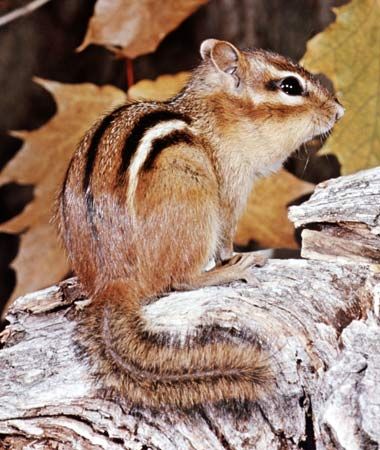
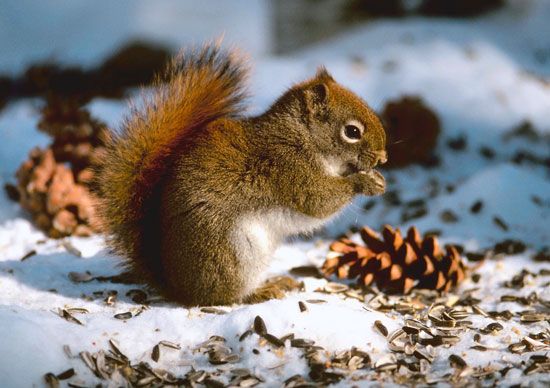
The seeds of the ponderosa pine serve as a vital food source for a variety of wildlife within its forest ecosystems. Animals that rely on these seeds include:
Many of these species also utilize the tree for nesting, further highlighting the ponderosa pine’s importance as a foundational species in its habitat.15
Why is the Ponderosa pine considered a gymnosperm?
The Ponderosa pine (Pinus ponderosa) is classified as a gymnosperm because it reproduces by means of “naked seeds”—a term derived from the Greek words gymnos (naked) and sperma (seed).67
Unlike angiosperms, or flowering plants, which enclose their seeds within a mature ovary or fruit, the Ponderosa pine produces its seeds exposed on the scales of a cone. In this reproductive system, the ovules are not contained within an ovary but instead lie exposed on leaflike structures known as megasporophylls.867
Because these seeds are not protected by a fruit, they are considered “naked,” which is the defining characteristic of the gymnosperm group. The Ponderosa pine specifically follows a two-year reproductive cycle, during which these seeds develop within the woody female cones until they are ready for dispersal.6719
Sources
- ponderosa pine — Encyclopædia Britannica
- ponderosa pine — Merriam-Webster
- pine - Physical description and natural history — Encyclopædia Britannica
- Playing with Wildfire: 5 Amazing Adaptations of Pyrophytic Plants — Encyclopædia Britannica
- ponderosa pine: Top Questions — Encyclopædia Britannica
- Plant reproductive system - Seed plants — Encyclopædia Britannica
- gymnosperm — Encyclopædia Britannica
- Seed - Gymnosperm seeds — Encyclopædia Britannica
- gymnosperm - Appearance of gymnosperm divisions — Encyclopædia Britannica
Published on · 2 min read