Pteropsid
A pteropsid is a member of a group of vascular plants (tracheophytes) that includes ferns, extinct seed ferns, gymnosperms (such as conifers), and…
What is Pteropsid?
A pteropsid is a member of a group of vascular plants (tracheophytes) that includes ferns, extinct seed ferns, gymnosperms (such as conifers), and angiosperms (flowering plants).1
While the term is sometimes confused with “pterosaur”—which refers to an extinct group of flying reptiles—a pteropsid is strictly botanical. The defining characteristic shared by members of this group is the presence of leaves with branched venation. Additionally, they are often characterized by well-developed, typically large leaves and the presence of leaf gaps in the primary vascular cylinder.123
What is the difference between vascular and non-vascular plants?
The primary difference between vascular and non-vascular plants lies in the presence of specialized tissues for the transport of water and nutrients.
Vascular Plants (Tracheophytes)
Vascular plants possess a sophisticated internal transport system consisting of two main types of tissue:
- Xylem: Conducts water and dissolved minerals from the roots upward and provides structural support through the presence of lignin, a hardening substance.45
- Phloem: Transports carbohydrates and other products of photosynthesis from the leaves to other parts of the plant.46
Because of these tissues, vascular plants can develop true roots, stems, and leaves, allowing them to grow larger and inhabit diverse terrestrial environments. In their life cycle, the sporophyte (the nonsexual phase) is the dominant, more conspicuous generation.478
Non-vascular Plants (Bryophytes)
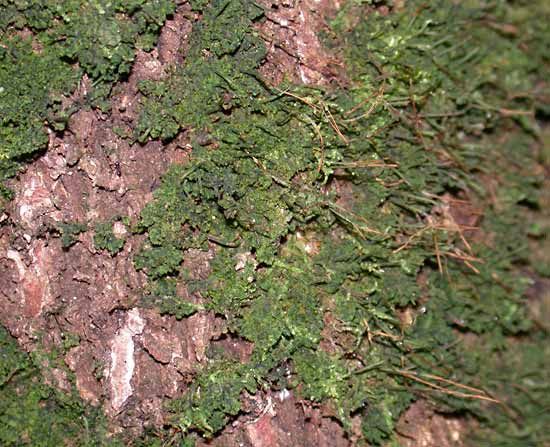
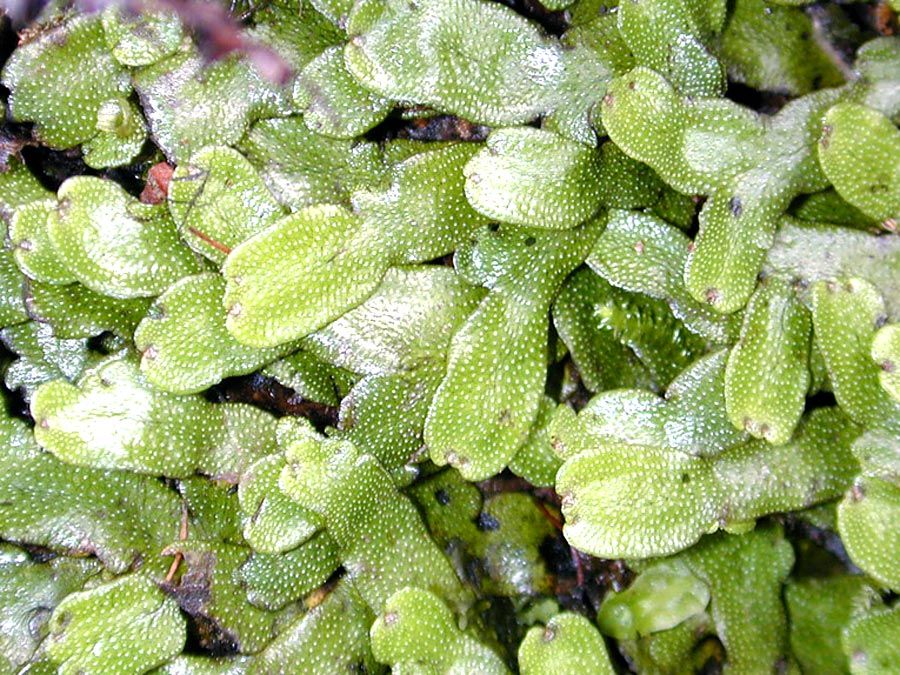
Non-vascular plants, which include mosses, liverworts, and hornworts, lack true vascular tissue. Instead of xylem, they may have simpler cells called hydroids that lack lignin. Because they lack a specialized transport system and rigid support structures, they are generally much smaller and typically restricted to humid habitats where they can absorb water directly. In these plants, the gametophyte (the sexual phase) is the dominant generation.8769
How do ferns reproduce compared to flowering plants?
Ferns and flowering plants (angiosperms) both utilize a life cycle involving a dominant, independent sporophyte phase, but they differ significantly in their reproductive strategies and structures.
Reproduction in Ferns
The typical fern life cycle relies on spores for dispersal.
- Spore Production: Mature sporophytes produce haploid spores in sporangia, often clustered in structures called sori on the undersides of fronds.1011
- Gametophyte Stage: Once released, spores germinate into tiny, free-living, photosynthetic gametophytes known as prothallia.1011
- Fertilization: Ferns typically require external water for the sperm to swim to the egg. Once fertilization occurs, the resulting embryo grows into a new independent sporophyte, and the gametophyte usually withers.1011
- Vegetative Reproduction: Much of a fern’s spread occurs through vegetative reproduction, such as the branching of rhizomes, which creates genetically uniform colonies.1012
Reproduction in Flowering Plants
Flowering plants have evolved more complex systems that protect the gametophyte and reduce dependence on water.
- Seed Innovation: Unlike ferns, angiosperms reproduce via seeds. A seed contains an embryonic plant, food-storage tissue, and a protective coat, offering a significant survival advantage over the fragile fern spore.1314
- Reduced Gametophyte: The gametophyte in flowering plants is highly reduced, consisting of only a few cells, and is not free-living; it remains embedded within the sporophyte tissues.1314
- Pollination and Fertilization: Angiosperms use pollen to transport sperm to the egg. Pollen is dispersed by wind or animals, and the development of a pollen tube allows fertilization to occur without the need for external water.1315
- Double Fertilization: A unique process where one sperm fertilizes the egg to form an embryo, while another combines with nuclei to form endosperm, a nutrient-rich tissue for the developing seed.15
What are the main characteristics of gymnosperms and angiosperms?
Gymnosperms and angiosperms are both vascular plants that reproduce via seeds, representing a major evolutionary advancement over spore-producing plants like ferns. However, they differ significantly in their reproductive structures and internal anatomy.17
Key Differences
- Seed Development: The most defining distinction is that angiosperm seeds develop within an ovary that matures into a fruit, whereas gymnosperm seeds are “naked,” typically forming on the scales of cones and remaining exposed to the air.1418
- Reproductive Structures: Angiosperms produce flowers for sexual reproduction, while gymnosperms lack flowers and fruits.14
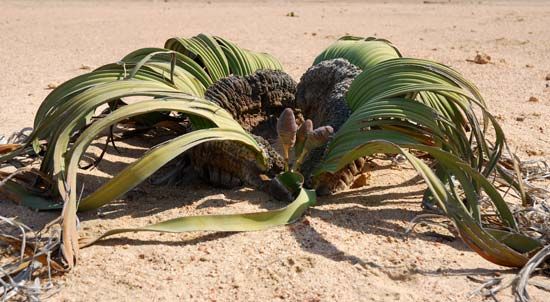
- Vascular Tissue: Most angiosperms possess specialized water-conducting vessels in their xylem, making their water transport more efficient. Gymnosperms generally lack these vessels (with the exception of the Gnetophyta) and have less specialized phloem lacking companion cells.1920
- Fertilization: Angiosperms are characterized by double fertilization, a process that produces both an embryo and a nutrient-rich endosperm to support seed development. Gymnosperms do not undergo double fertilization; their female gametophyte serves as the food-storage tissue.19
Due to these anatomical and reproductive advantages, angiosperms exhibit greater morphological diversity and have successfully colonized a wider range of global habitats than gymnosperms.1420
Sources
- Pteropsid — Encyclopædia Britannica
- Pteropsida — Merriam-Webster
- pterosaur — Encyclopædia Britannica
- Plant - Definition of the category — Encyclopædia Britannica
- Plant - Division Marchantiophyta — Encyclopædia Britannica
- Plant - Evolution and paleobotany — Encyclopædia Britannica
- Xylem — Encyclopædia Britannica
- phylogeny - Evolution of land plants — Encyclopædia Britannica
- Angiosperm - Evolution of the transport process — Encyclopædia Britannica
- Fern - Life cycle — Encyclopædia Britannica
- Plant - Seed plants — Encyclopædia Britannica
- Plant reproductive system - Ferns — Encyclopædia Britannica
- Pollination — Encyclopædia Britannica
- Angiosperm - General features — Encyclopædia Britannica
- Fern - Ecology — Encyclopædia Britannica
- water fern — Encyclopædia Britannica
- Angiosperm: Top Questions — Encyclopædia Britannica
- Angiosperm - General characteristics — Encyclopædia Britannica
- gymnosperm — Encyclopædia Britannica
- Angiosperm - Distribution and abundance — Encyclopædia Britannica
Published on · 4 min read